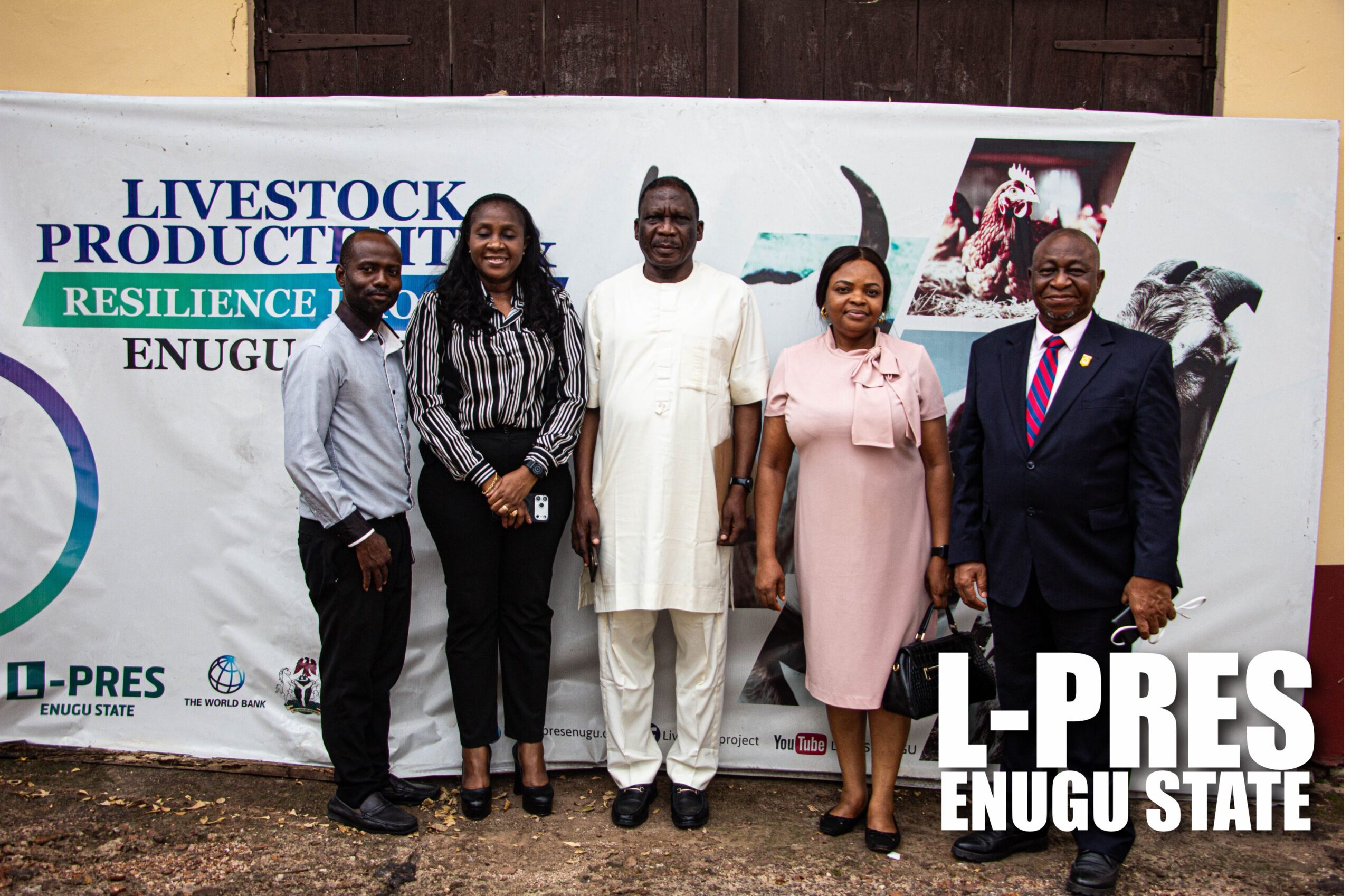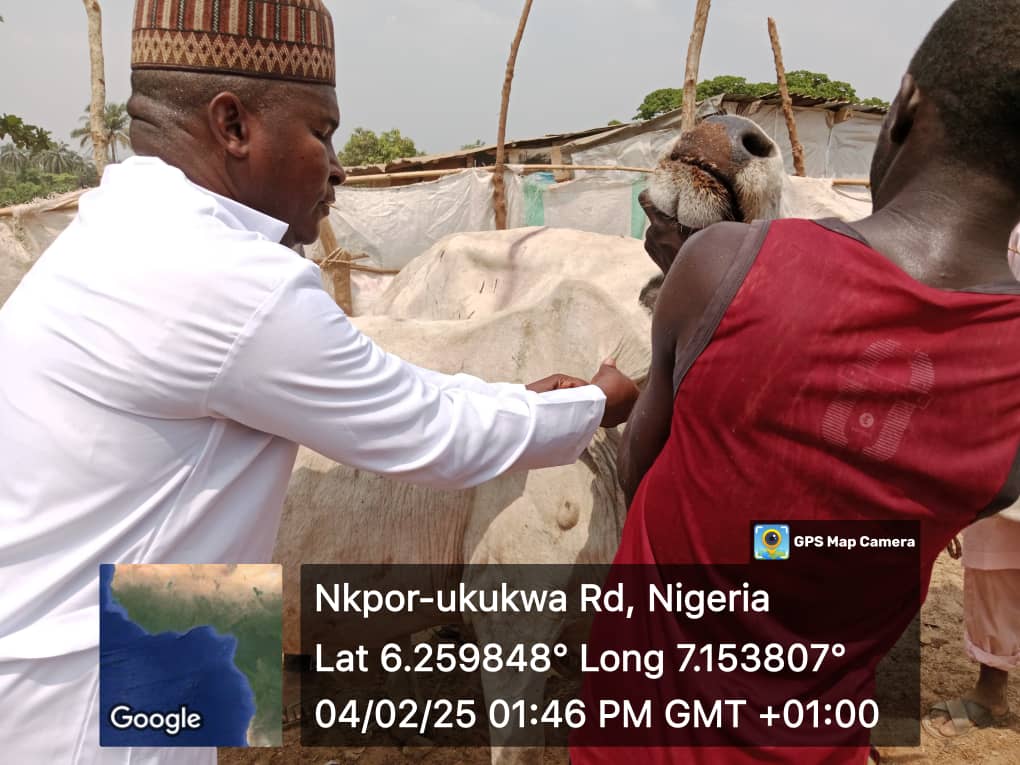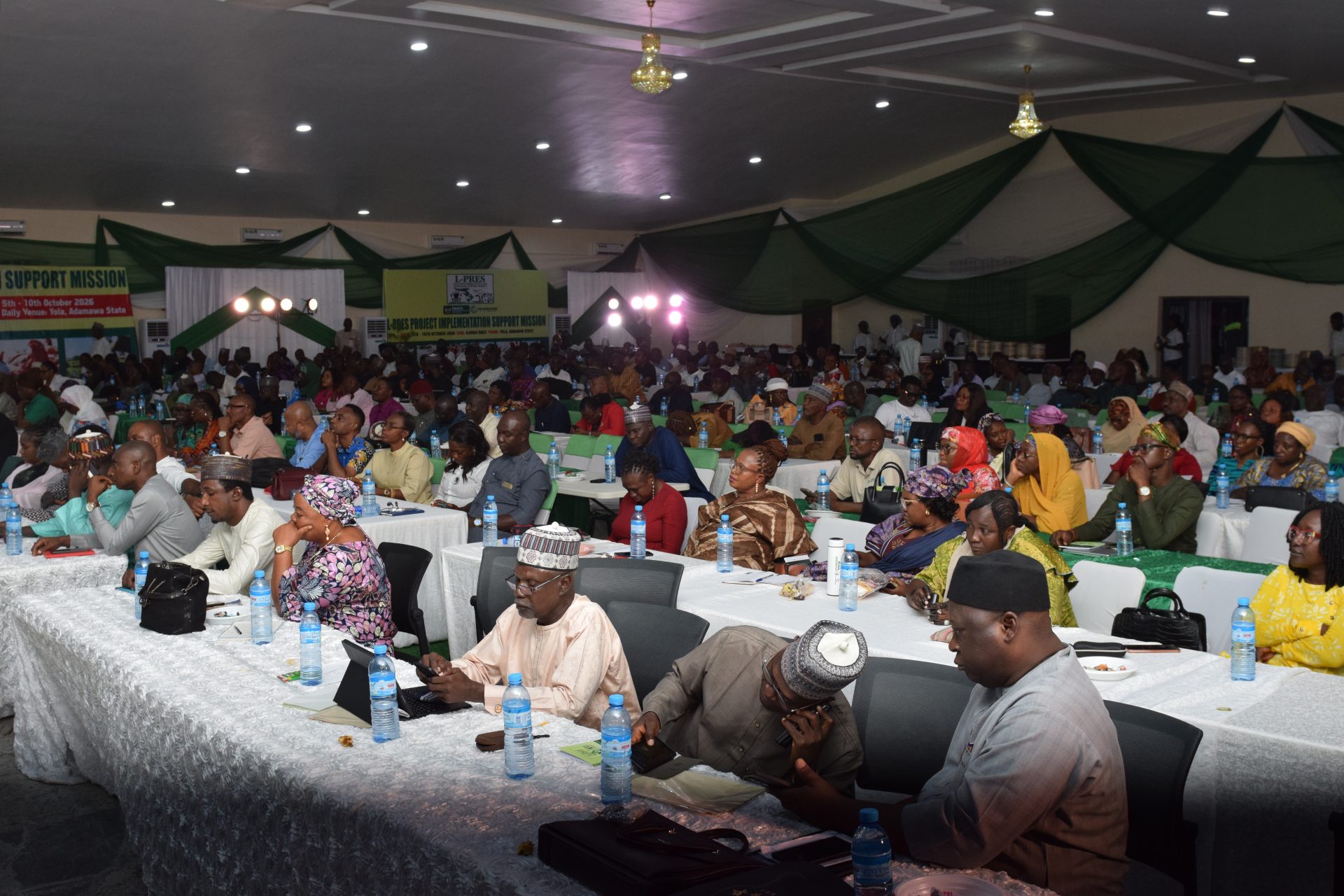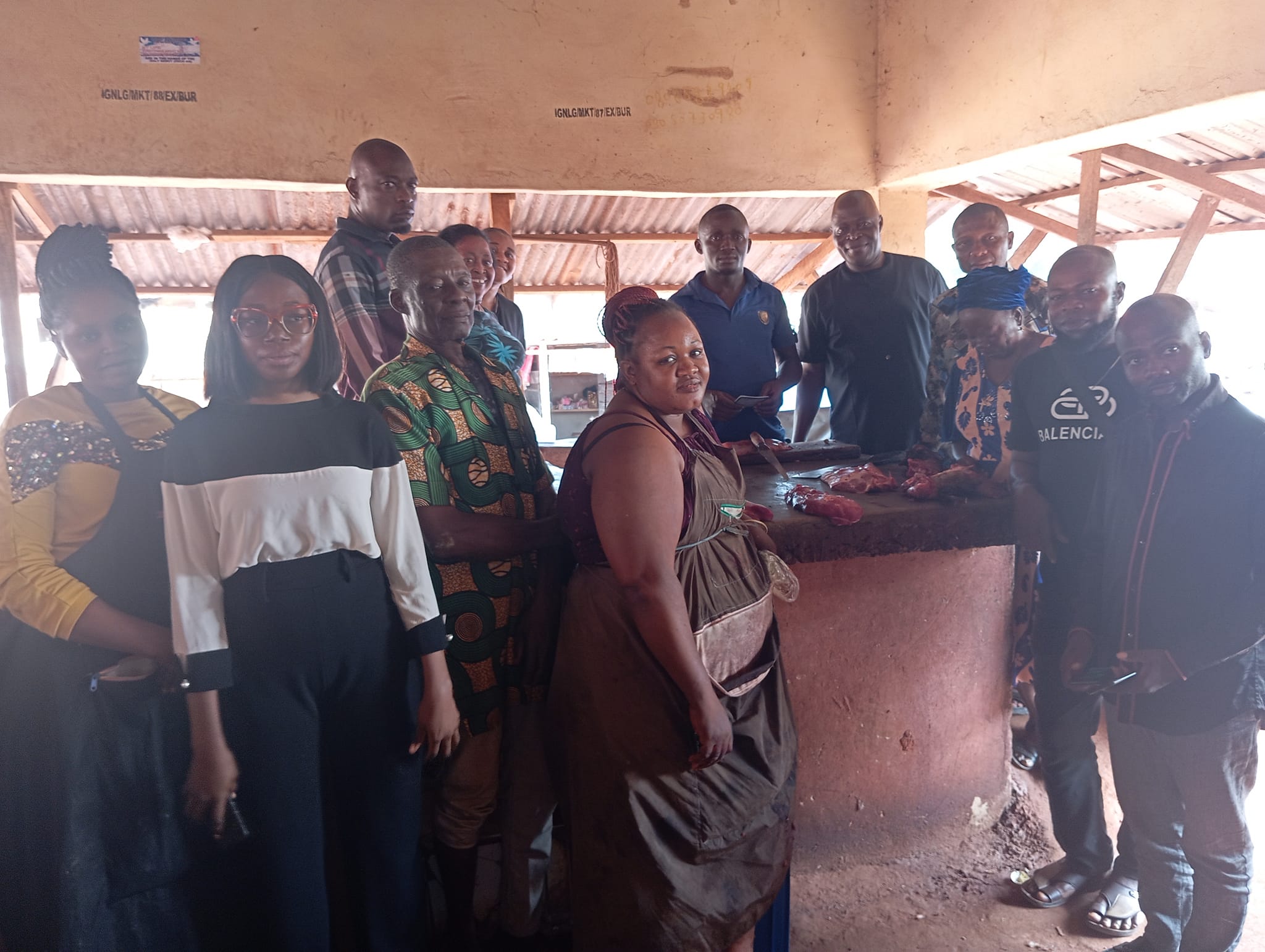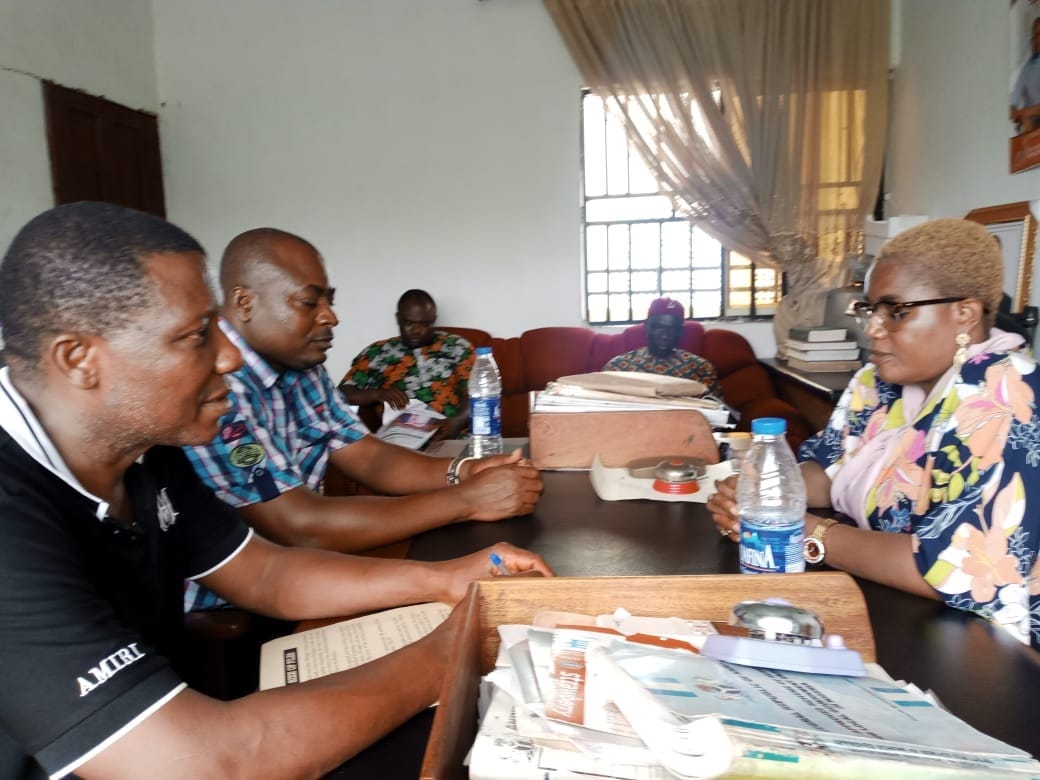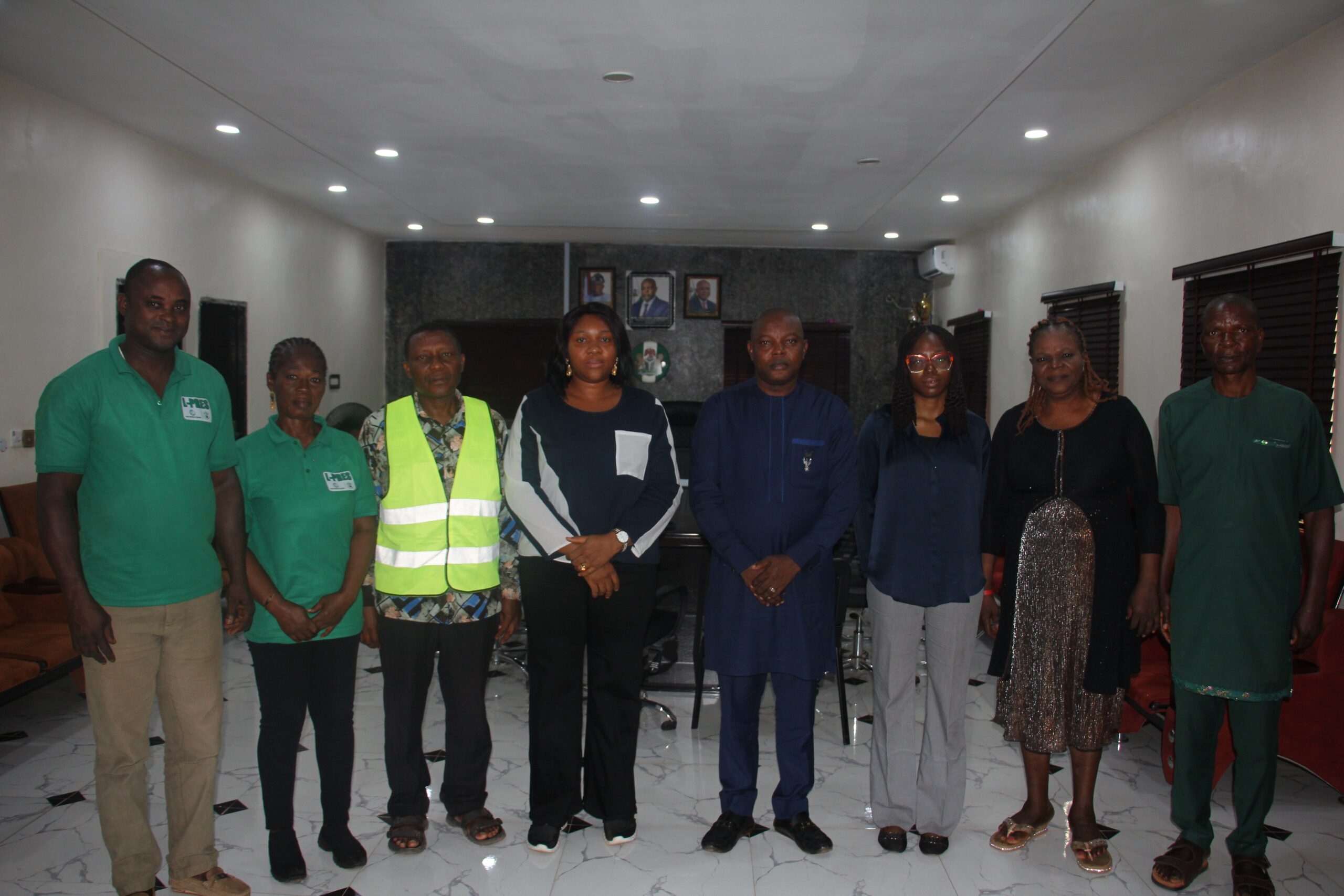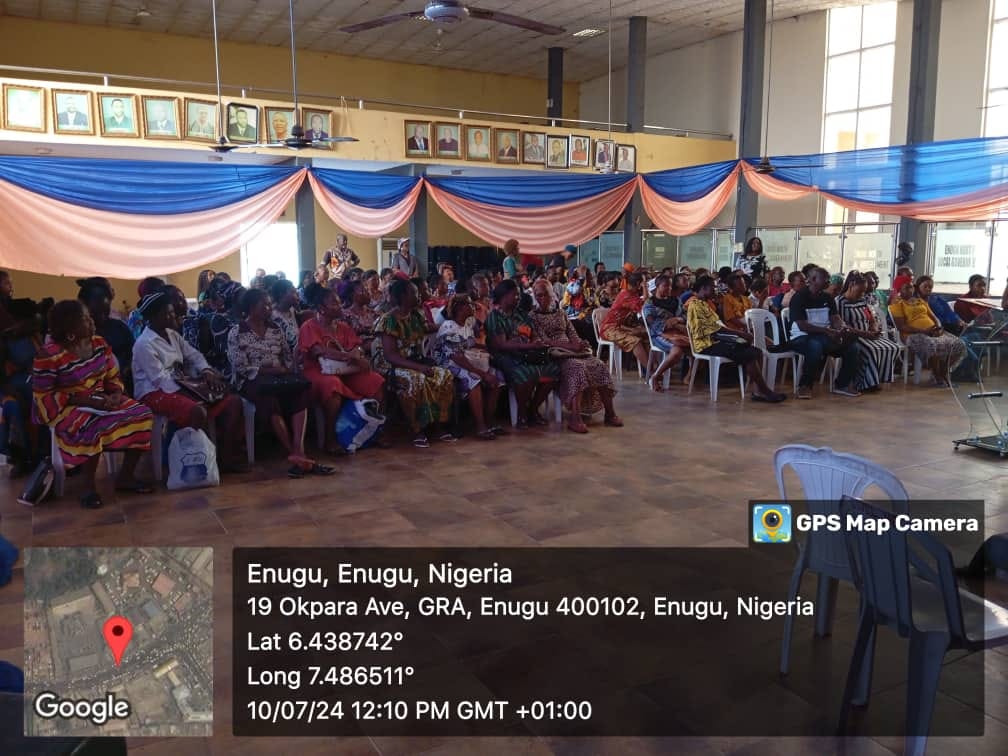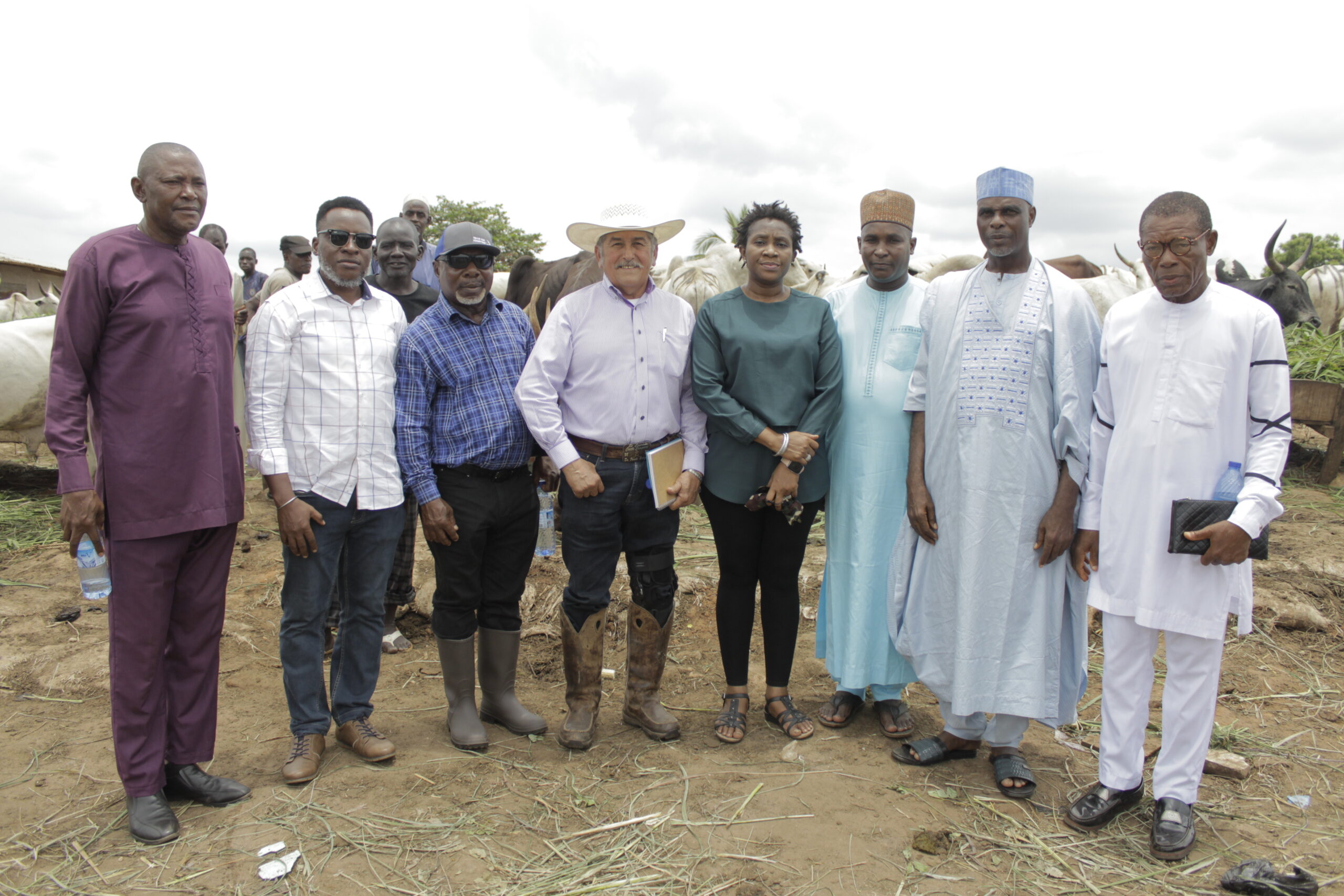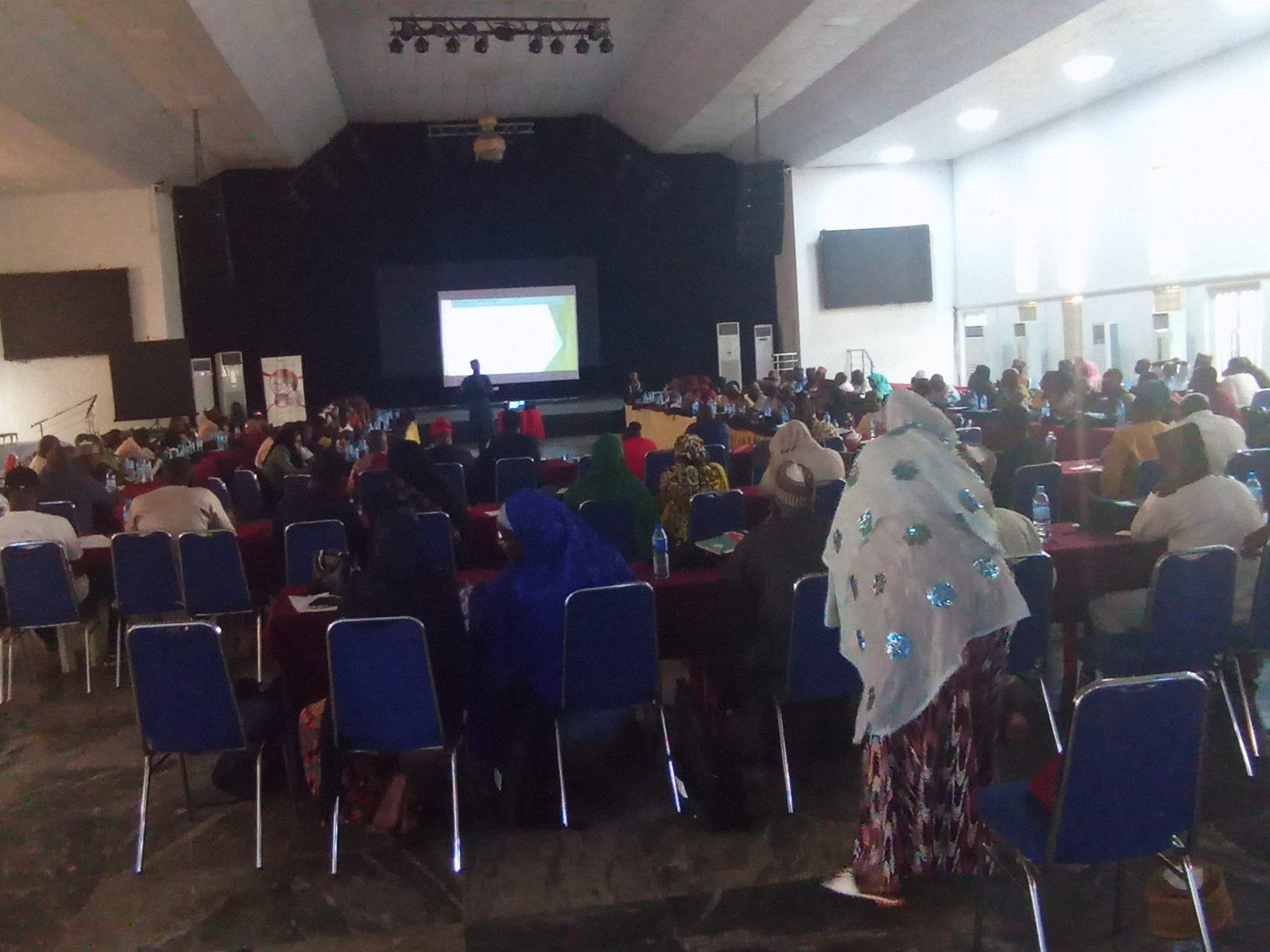

 In a strategic move to transform Nigeria’s livestock industry, national consultants from the Livestock Productivity and Resilience Support Project (L-PRES) engaged private veterinary practitioners in Enugu State on Wednesday, May 6, 2026. The forum, hosted at the Enugu L-PRES Conference Hall, spotlighted untapped opportunities for private vets to fill critical gaps in animal health services, driving higher productivity, disease control, and resilience in the face of climate and economic challenges.
The high-level engagement was spearheaded by Dr. Gani Enahoro, Team Lead from the L-PRES National Coordinating Office, and Prof. Wesley D. Nafarnda, a renowned veterinary expert. They were warmly received by key figures, including Dr. Elizabeth Ifeyinwa Nnajieze, State Project Coordinator (SPC); Dr. Ifeoma Kene Nnaji, Director of Veterinary Services; Dr. Ilo Chidiebere, State Chapter President of the Nigerian Veterinary Medical Association (NVMA); and Dr. Eugene Ibe, President of the Association of Private Veterinary Practitioners in Enugu State. Other stakeholders from government ministries and veterinary councils also attended, fostering a collaborative atmosphere.
Dr. Ifeyinwa Nnajieze, representing the Enugu State Government, Enugu L-PRES team, and the broader veterinary community, reaffirmed Governor Dr. (Barr.) Peter Ndubuisi Mba’s firm commitment to modernizing veterinary services. “His Excellency’s administration is laser-focused on agricultural transformation, and we value our partnership with private practitioners immensely,” she stated. “We urge you to seize L-PRES opportunities to deliver transformative, high-impact services that will uplift our livestock farmers and secure food systems.”
Dr. Enahoro expressed profound gratitude for the enthusiastic reception and delved into the meeting’s core objectives: sensitizing participants to the L-PRES “microcosm” component. This innovative initiative delegates key animal health functions—such as disease surveillance, prevention, vaccinations, and treatments—to qualified private veterinarians, as enshrined in the project’s Implementation Manual (PIM). L-PRES, a World Bank-supported federal program, rolls out in phases: 14 states like Enugu in Phase 1, followed by 16 more, directly addressing chronic public sector shortages, inadequate funding, and uneven service delivery in remote areas.
Under the program, Enugu will select 10 eligible private vets to serve livestock owners in designated L-PRES clusters—focusing on high-potential areas for cattle, poultry, sheep, and goats. Vets will submit detailed monthly service reports and invoices, which external auditors verify for accuracy and compliance. Payments are disbursed annually, blending two support streams:
Input-based aid: Non-refundable grants for essentials like motorcycles, diagnostic tools, and protective gear to enhance mobility and efficiency.
Service-based reimbursements: Compensation for on-ground activities, including treatments, mass vaccinations, biosecurity audits, and farmer training on best practices.
To qualify, practitioners must be registered with the Veterinary Council of Nigeria (VCN), operate from functional premises, hold valid business registration (e.g., CAC certificate), and possess a current practicing license. This rigorous criteria ensures only capable providers participate, safeguarding project integrity.
Prof. Nafarnda emphasized the soft skills vital for success: “Meticulous record-keeping, unwavering integrity, teamwork with state teams, and precise invoicing are non-negotiable,” he advised. He also urged fair, market-competitive pricing to build sustainable farmer trust and long-term business viability. During interactive sessions, practitioners raised practical concerns, including the one-year payment cycle’s strain on cash flow amid rising input costs like drugs and fuel. Dr. Eugene Ibe proposed tranche-based disbursements—e.g., quarterly payouts—as a pragmatic solution for financial relief without compromising accountability.
Dr. Ifeoma Kene Nnaji wrapped up with a rallying call for professionalism: “Let’s uphold the highest standards to justify this trust.” Echoing rural priorities, Animal Health Officer Dr. Obinna Ugwu pushed for expanded outreach to hard-to-reach farming communities, where livestock losses from diseases like anthrax and foot-and-mouth remain alarmingly high.