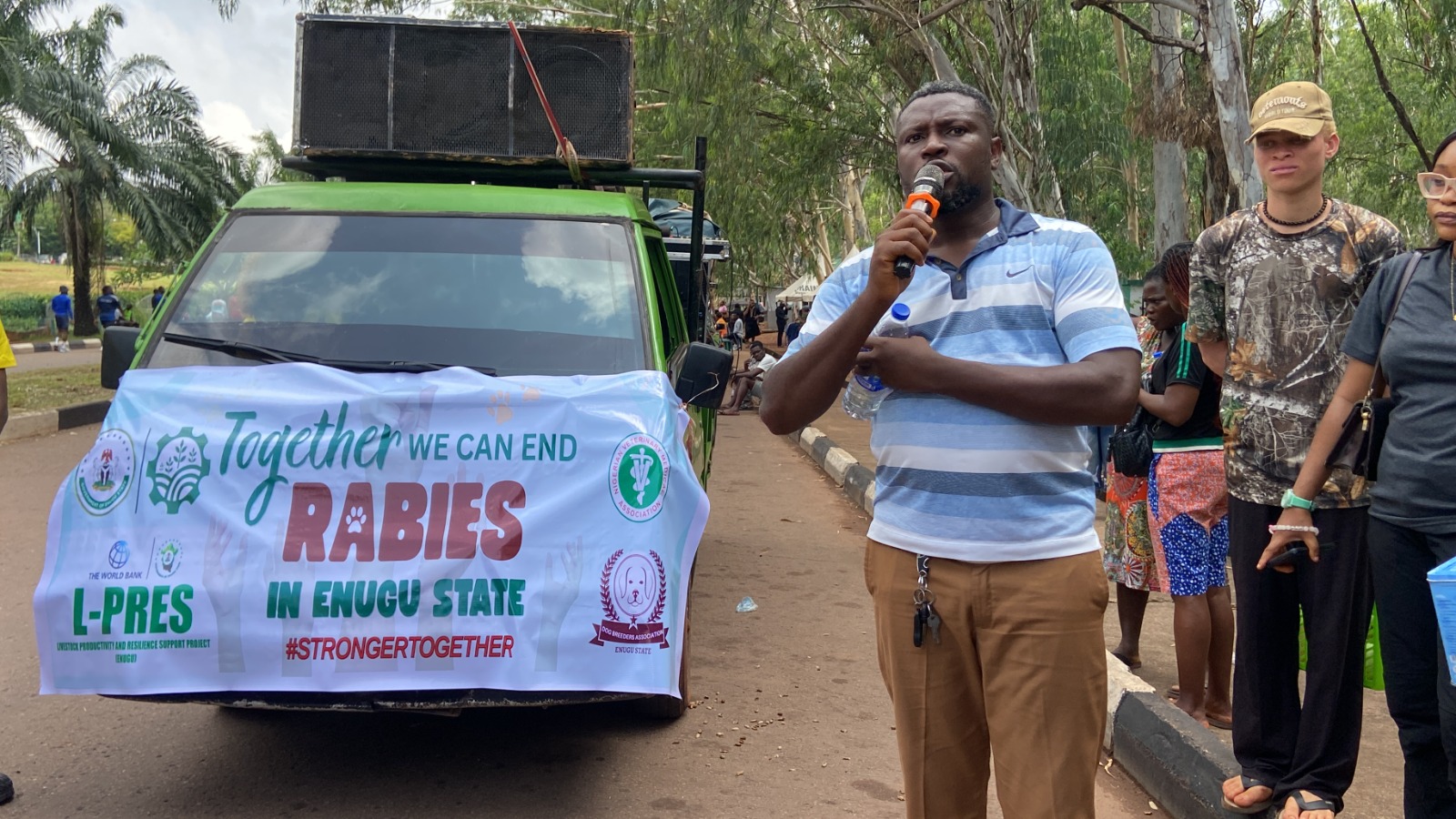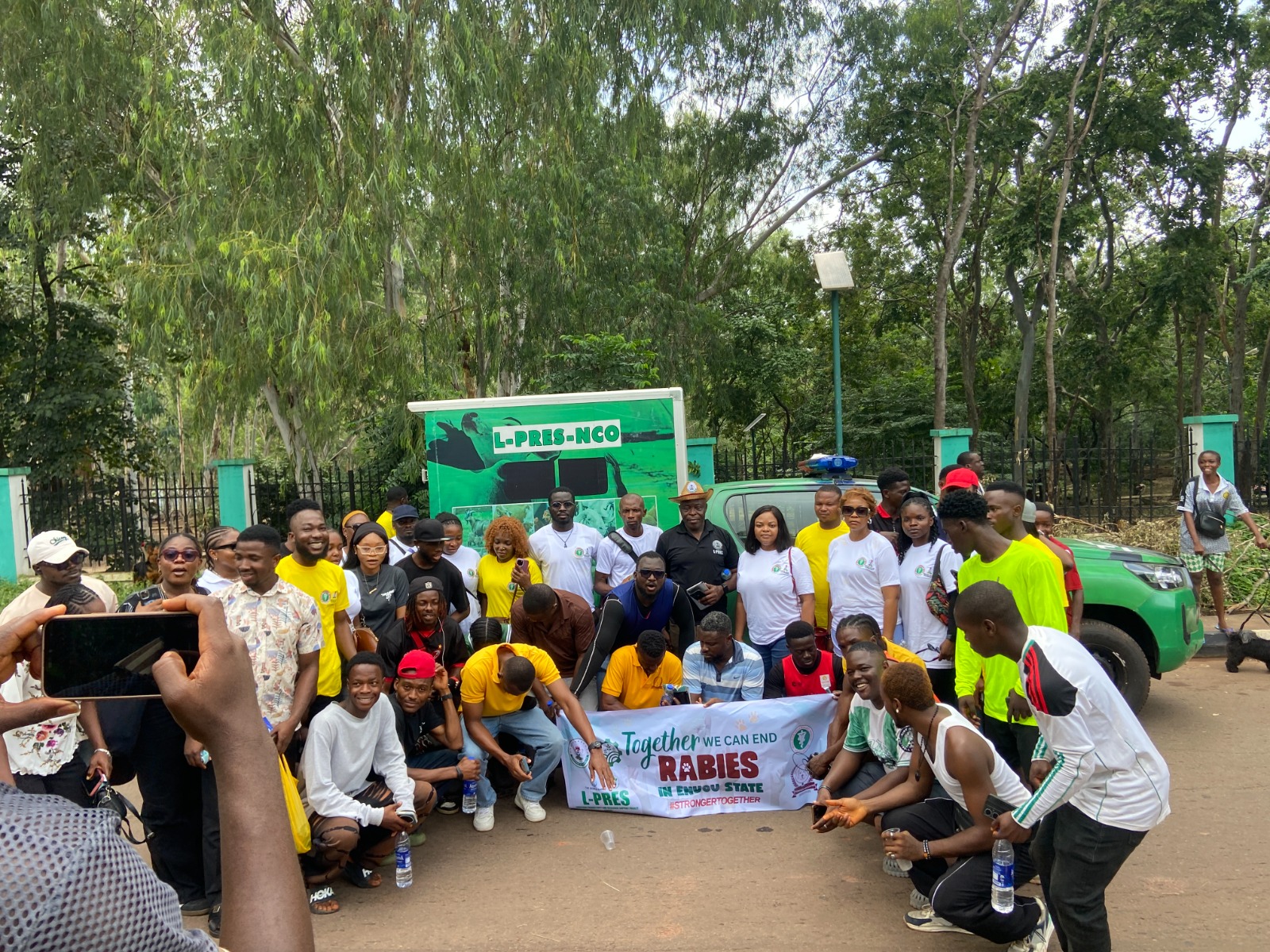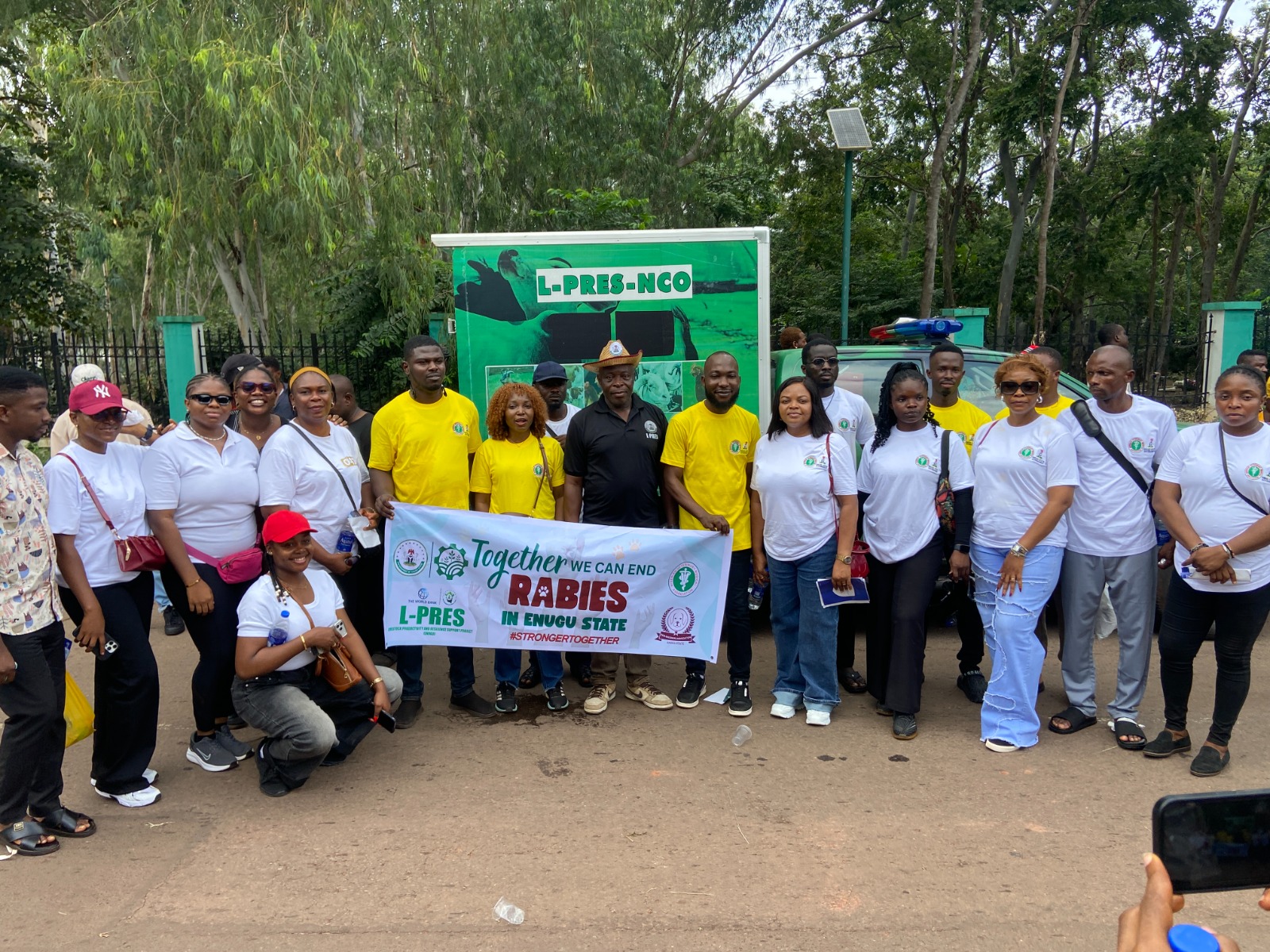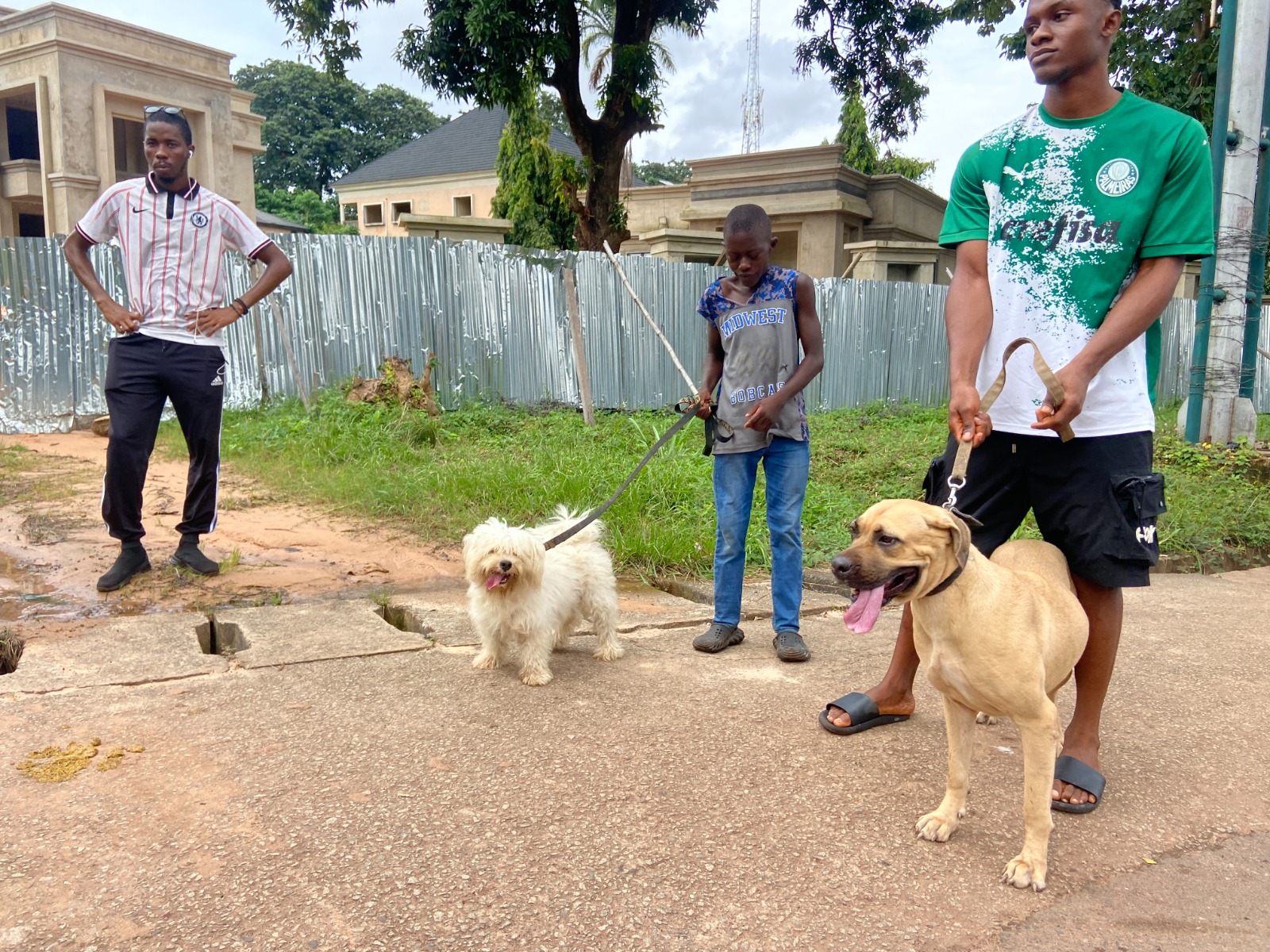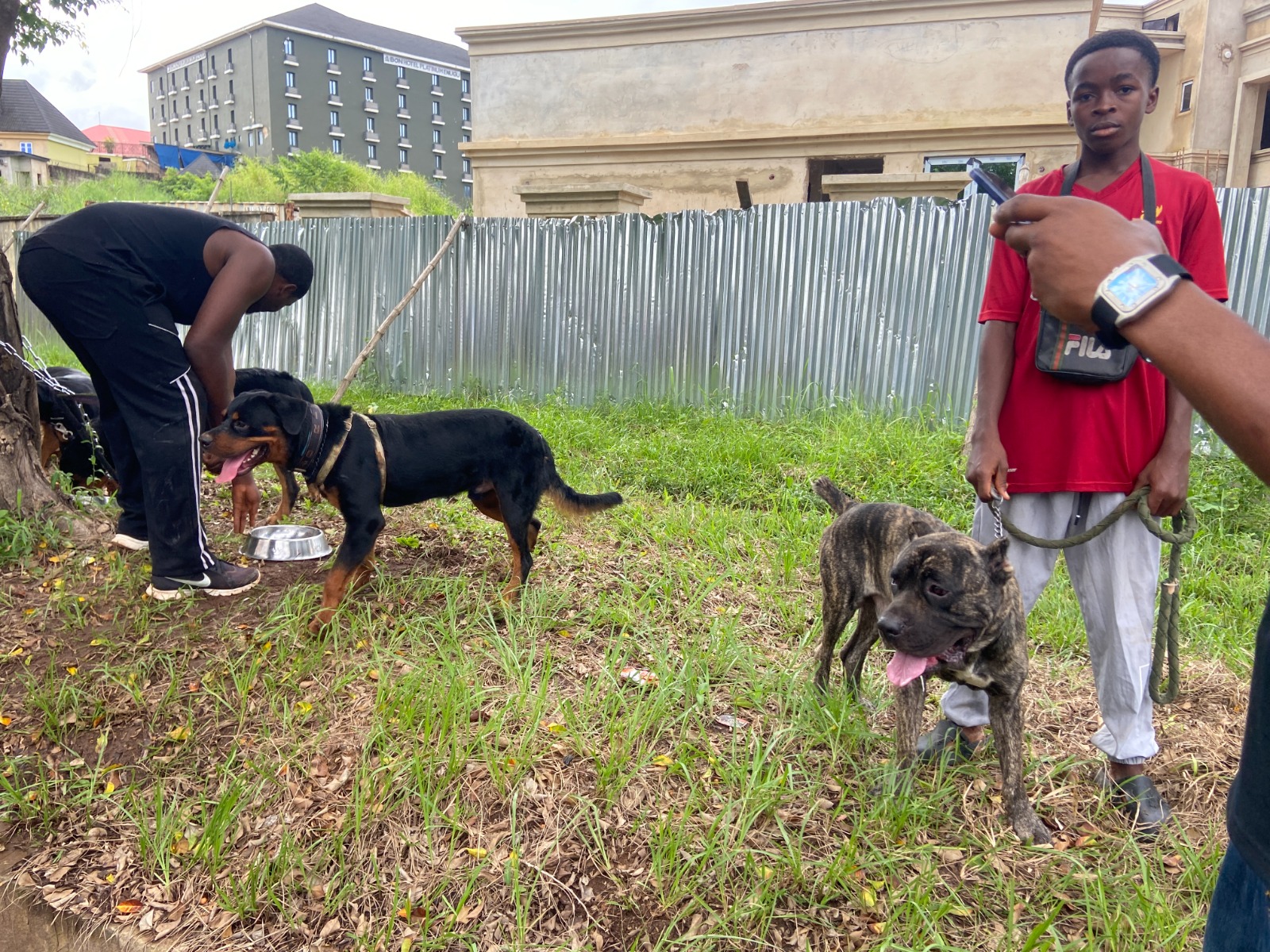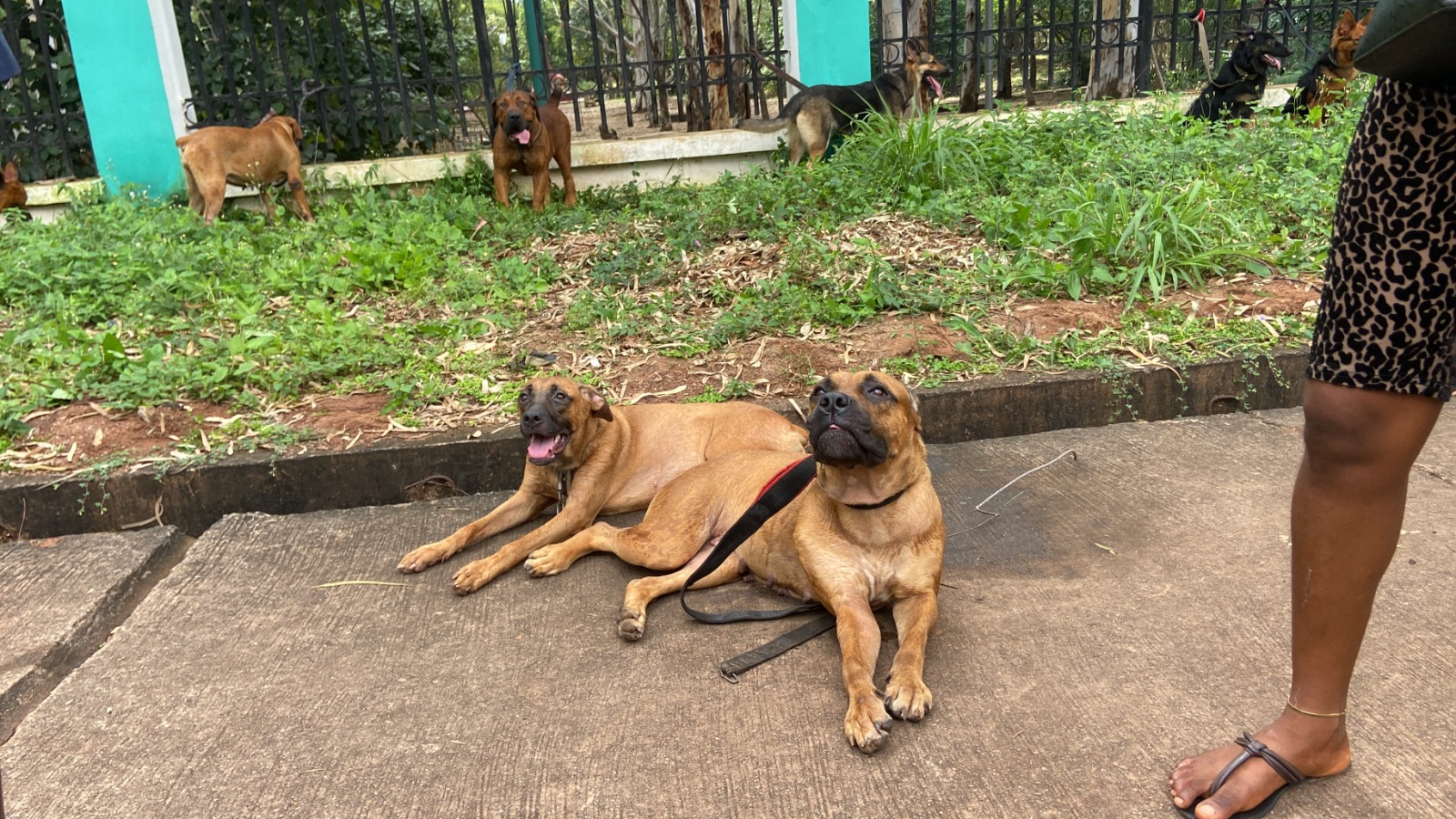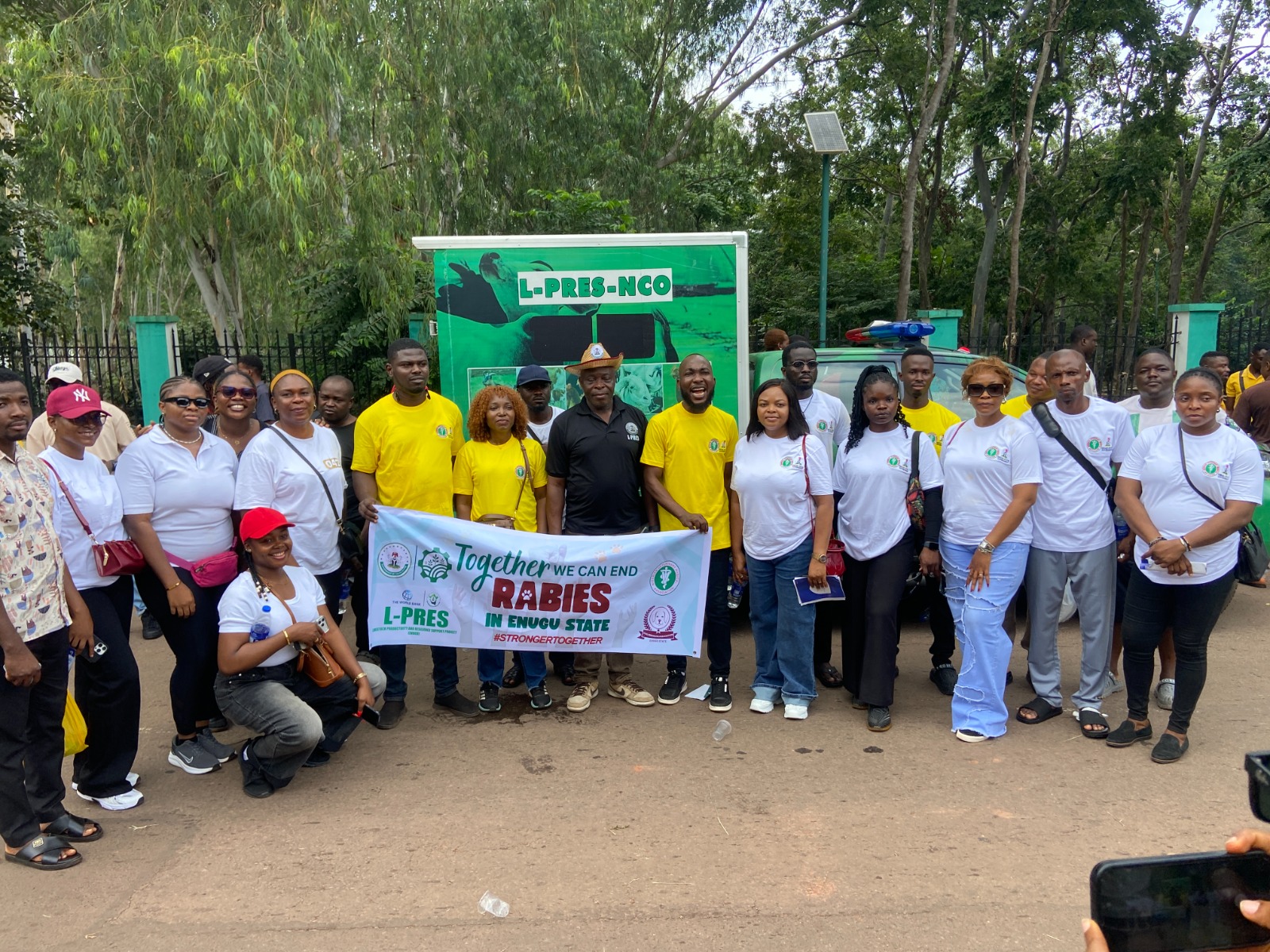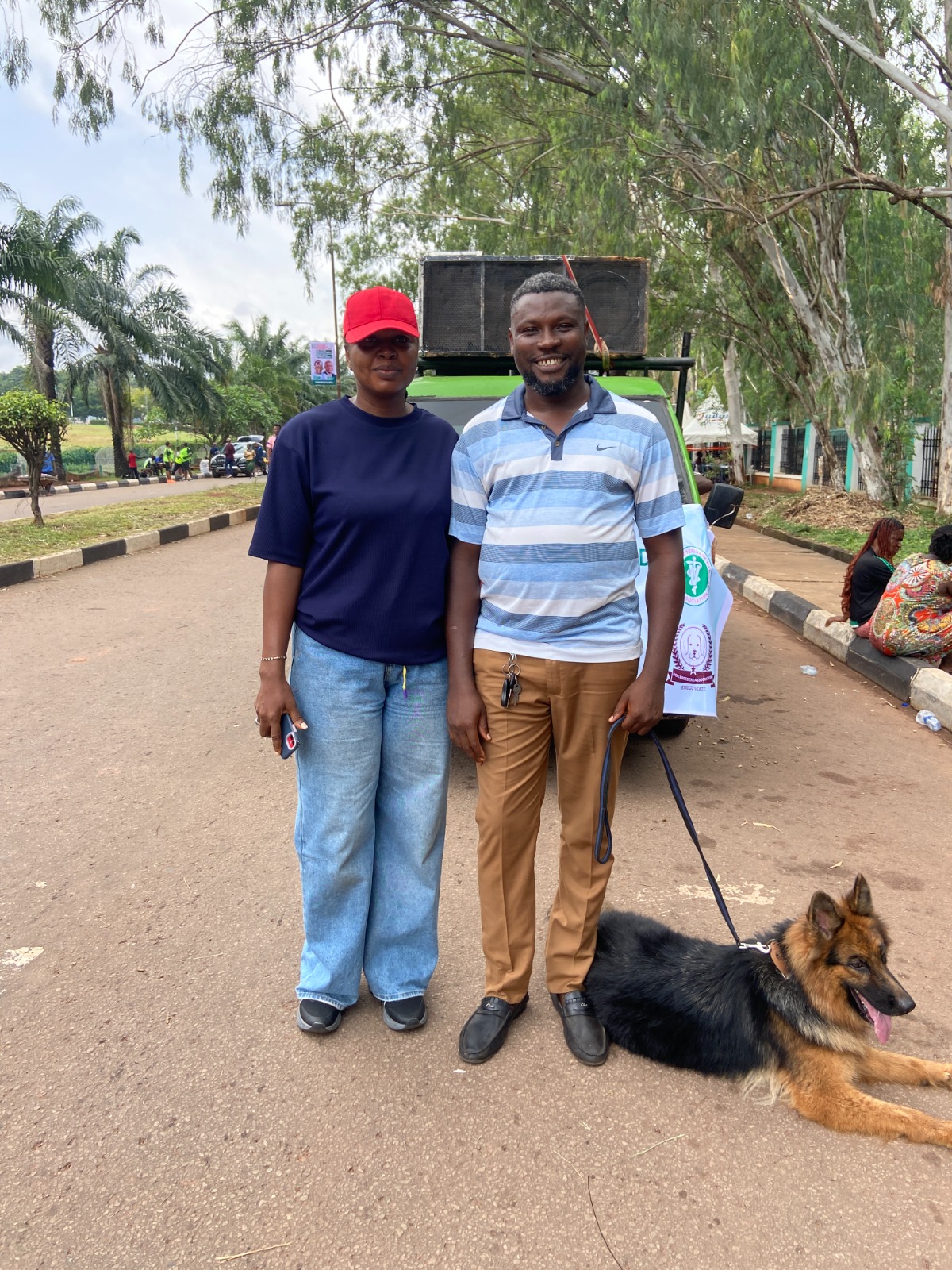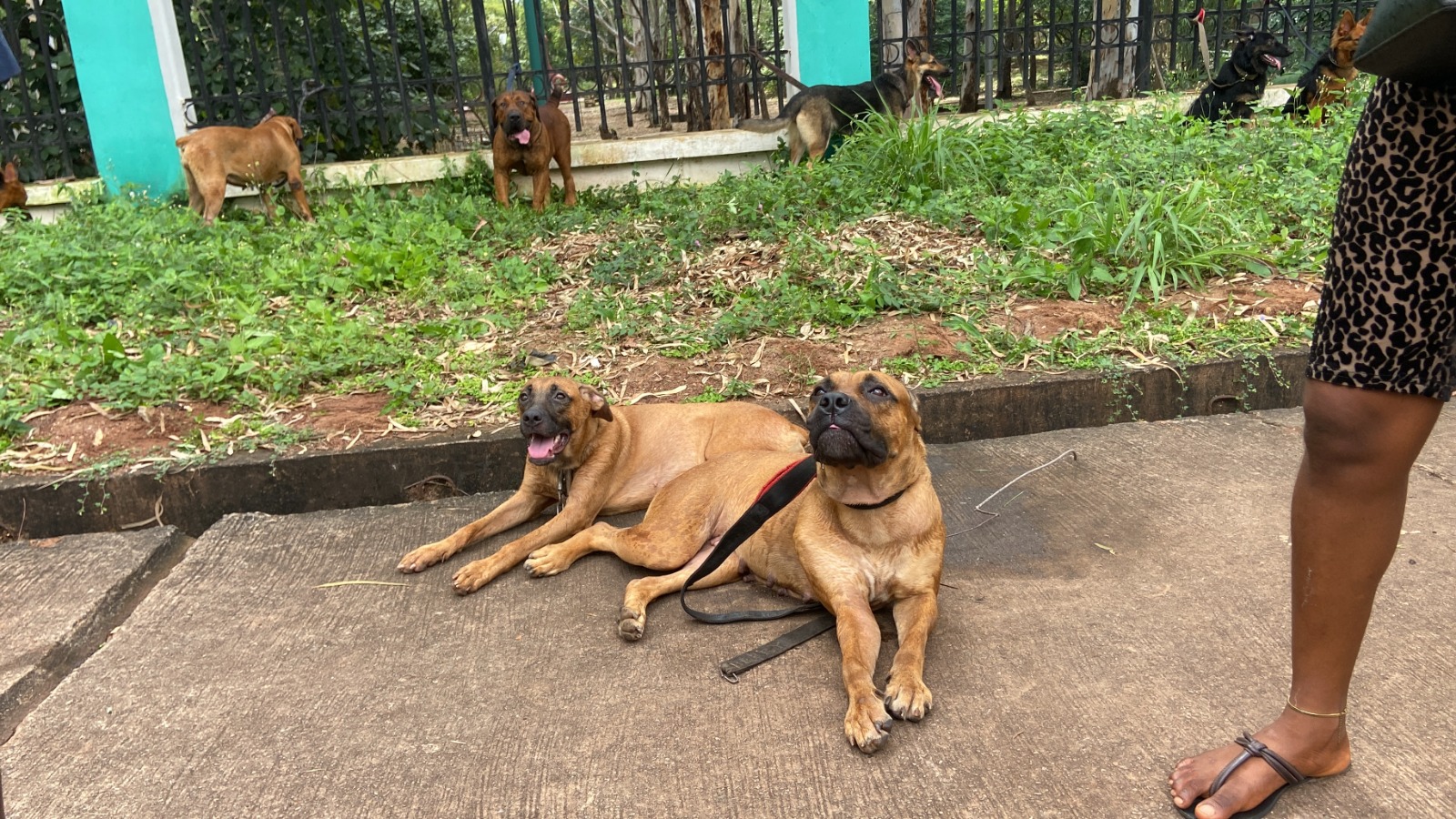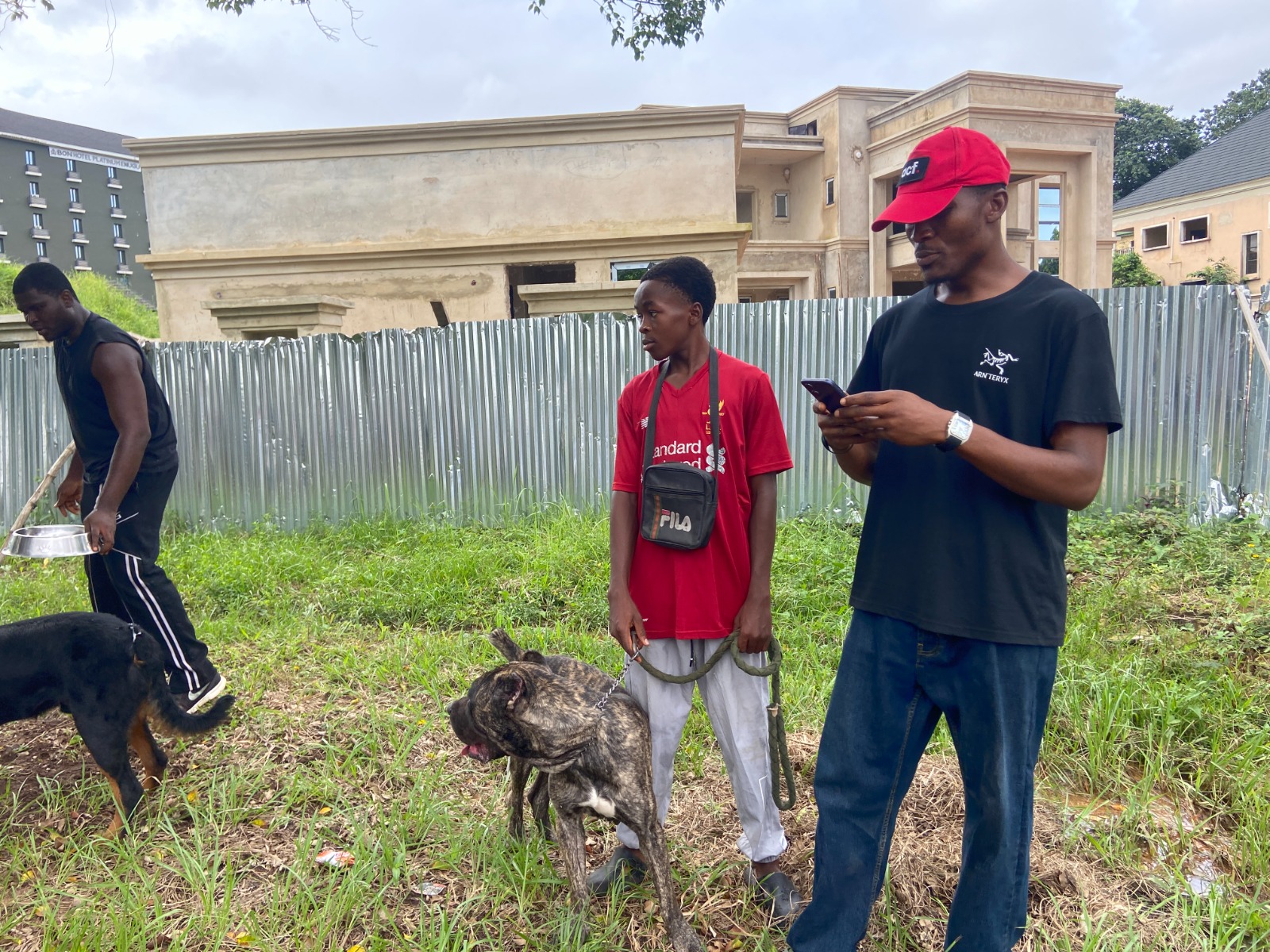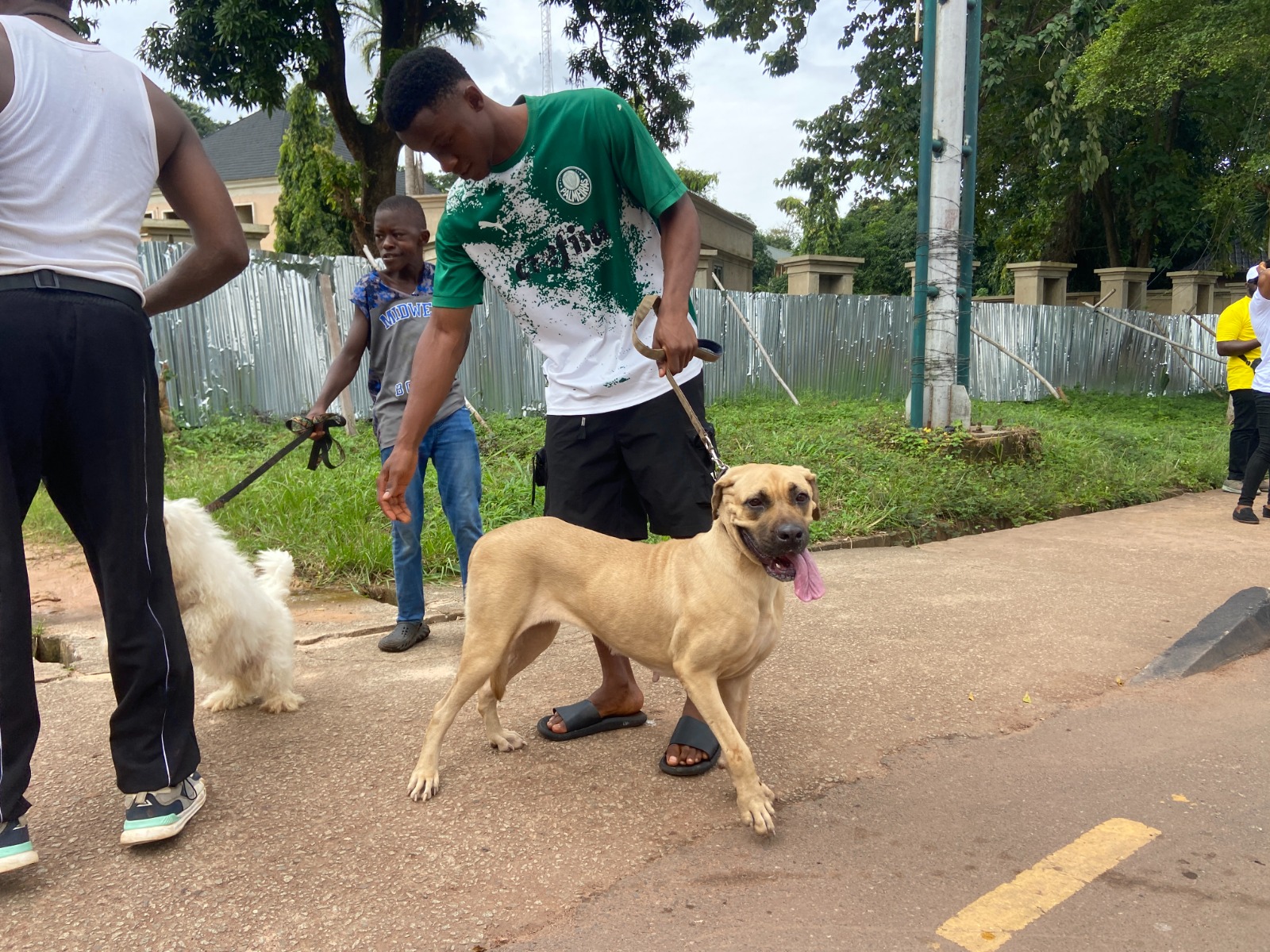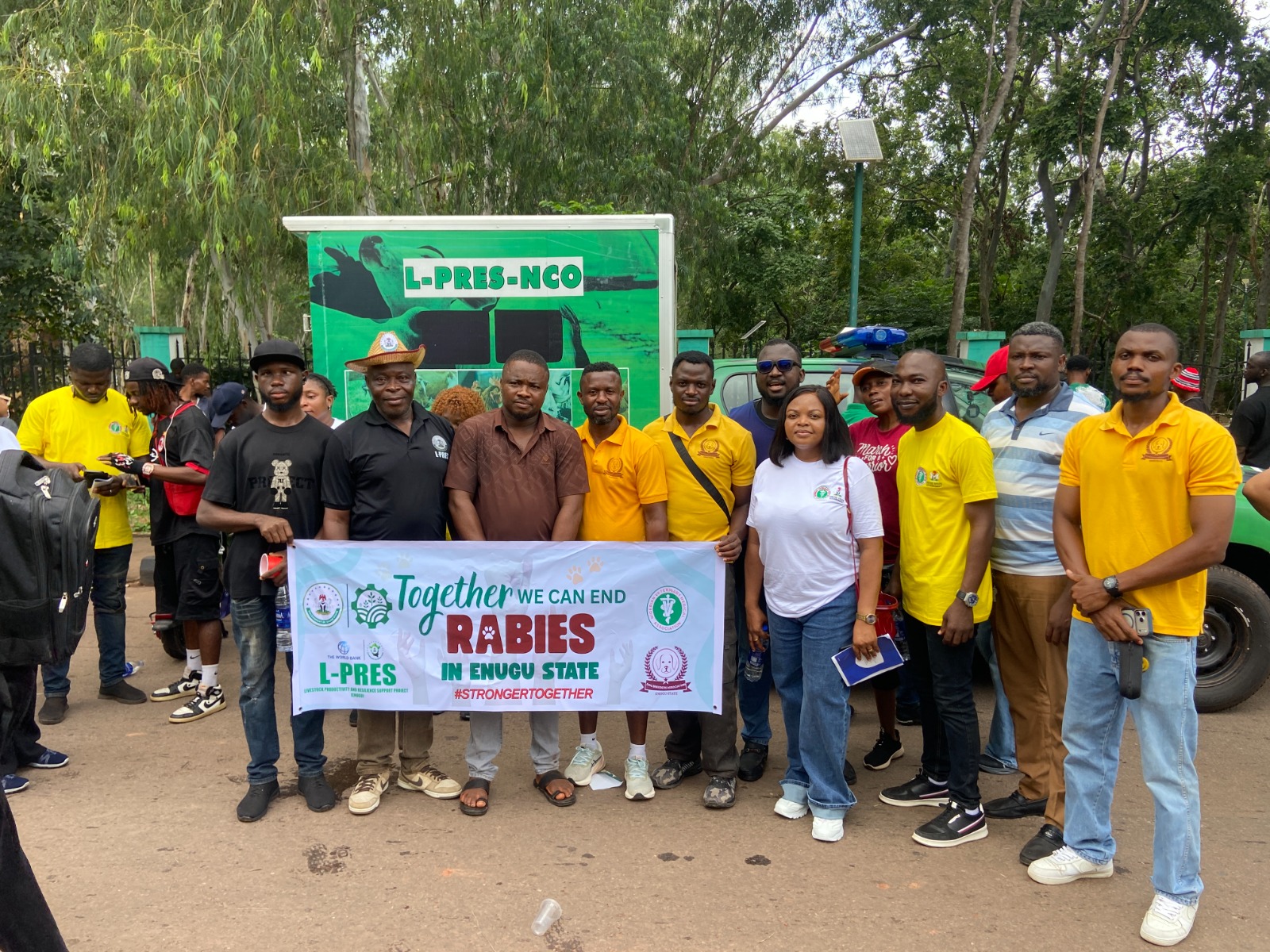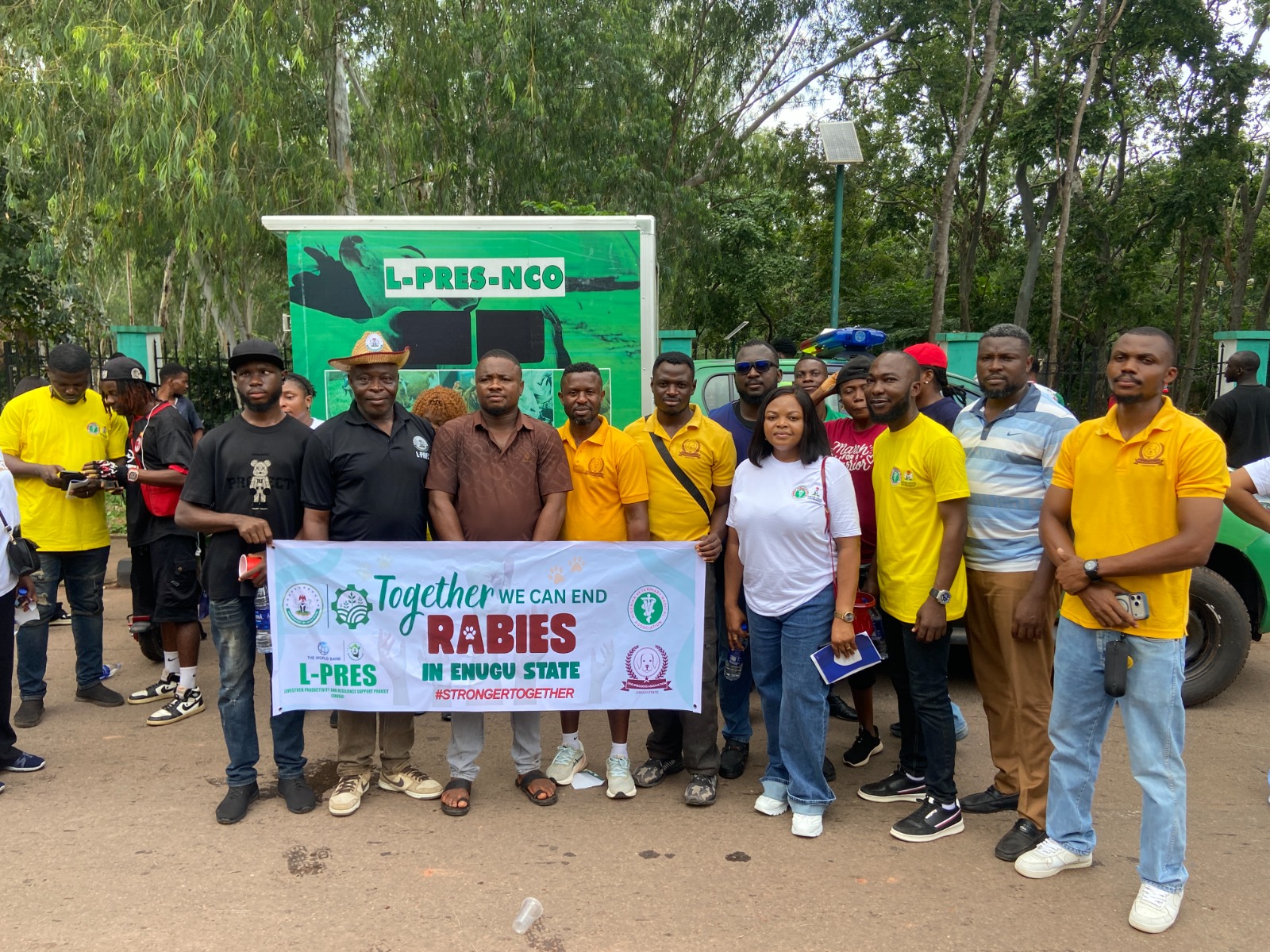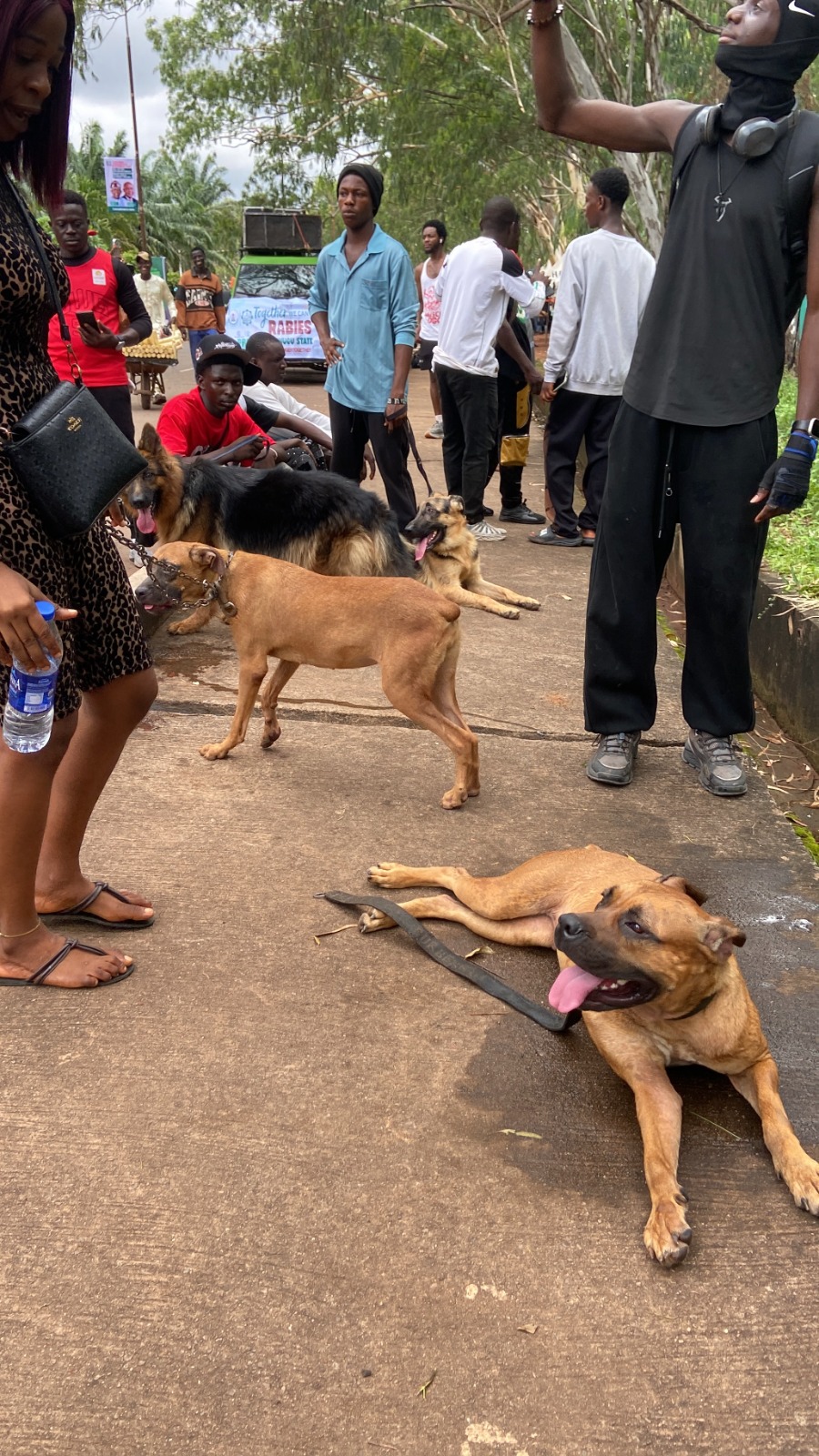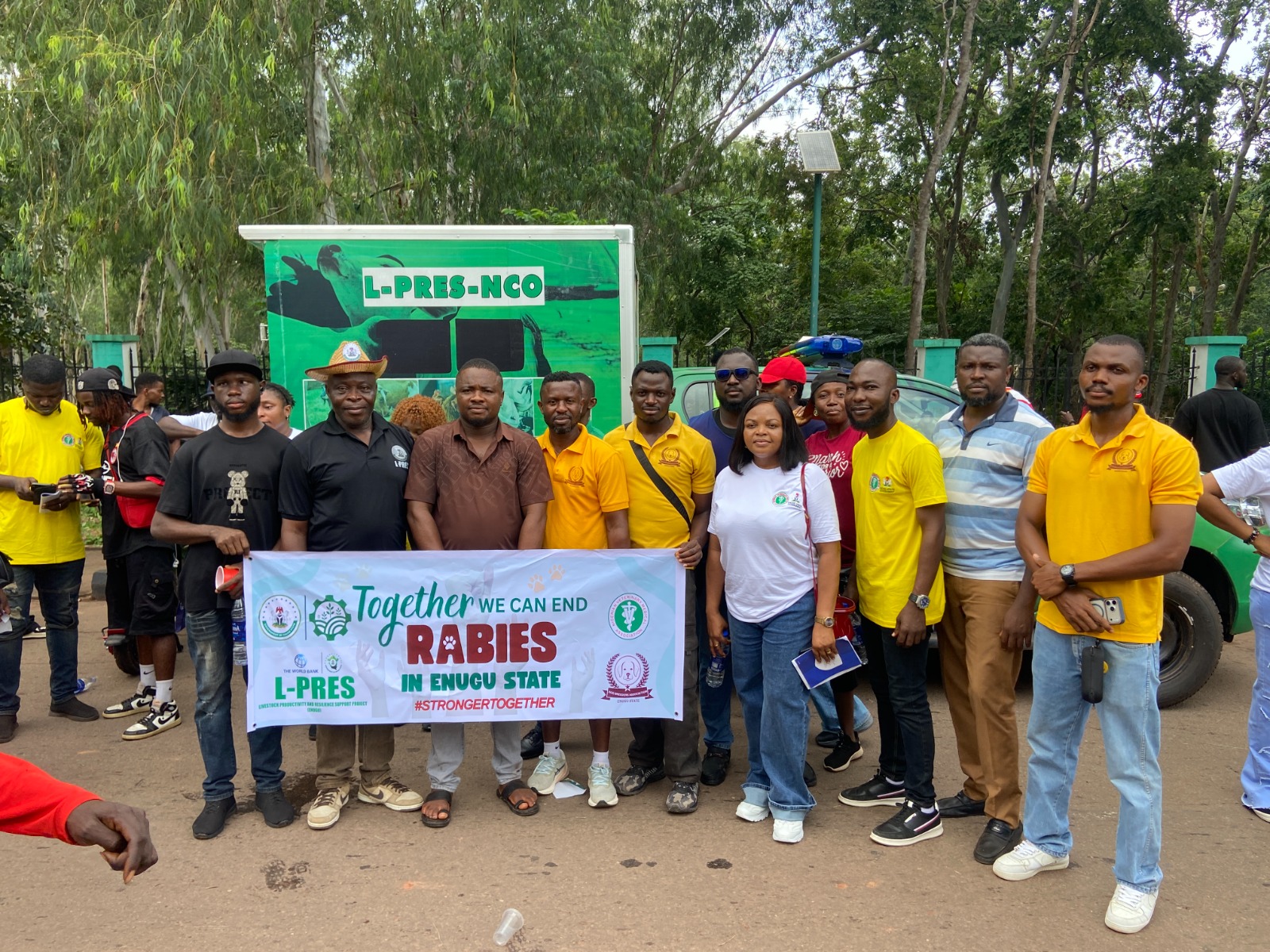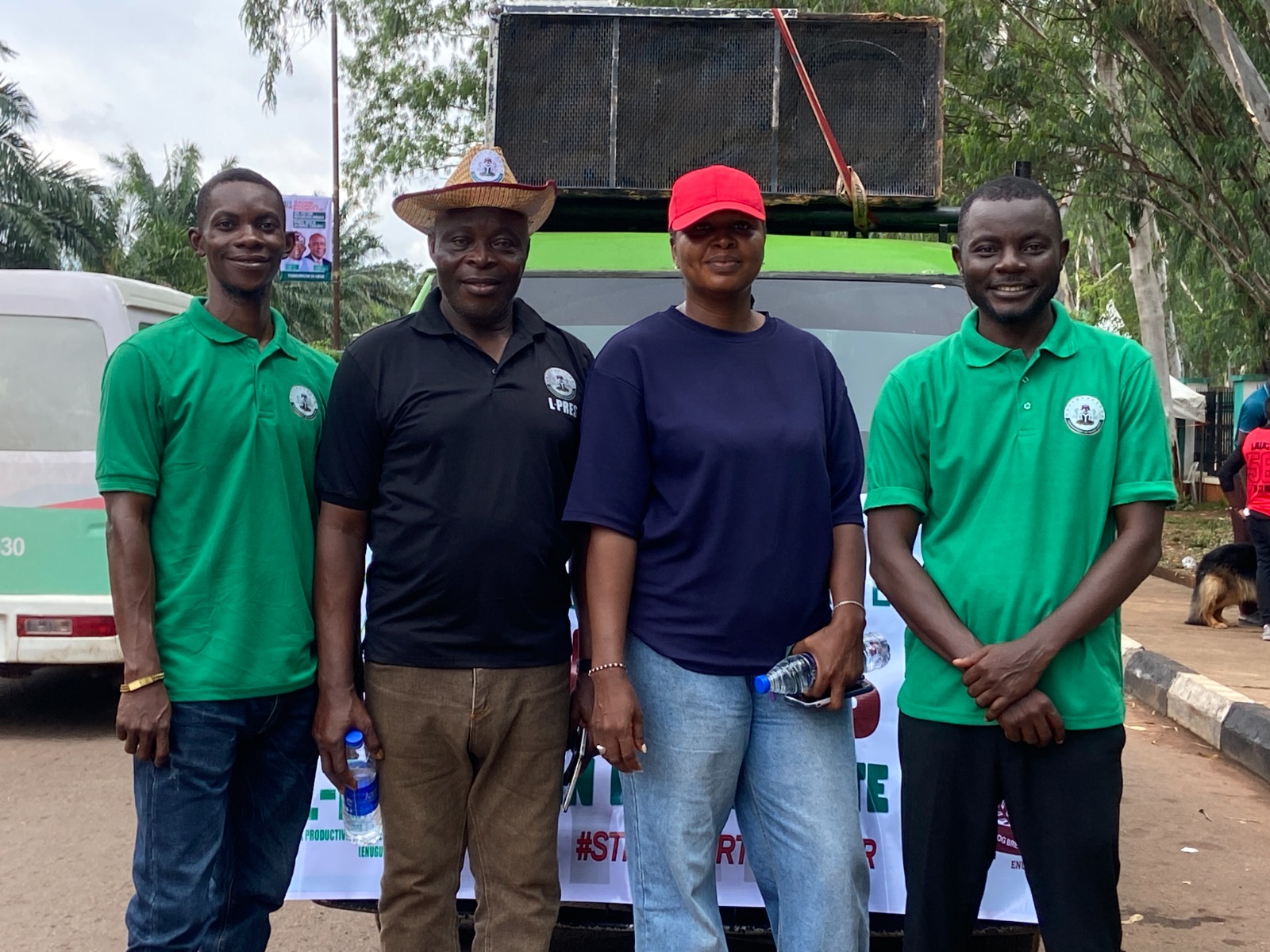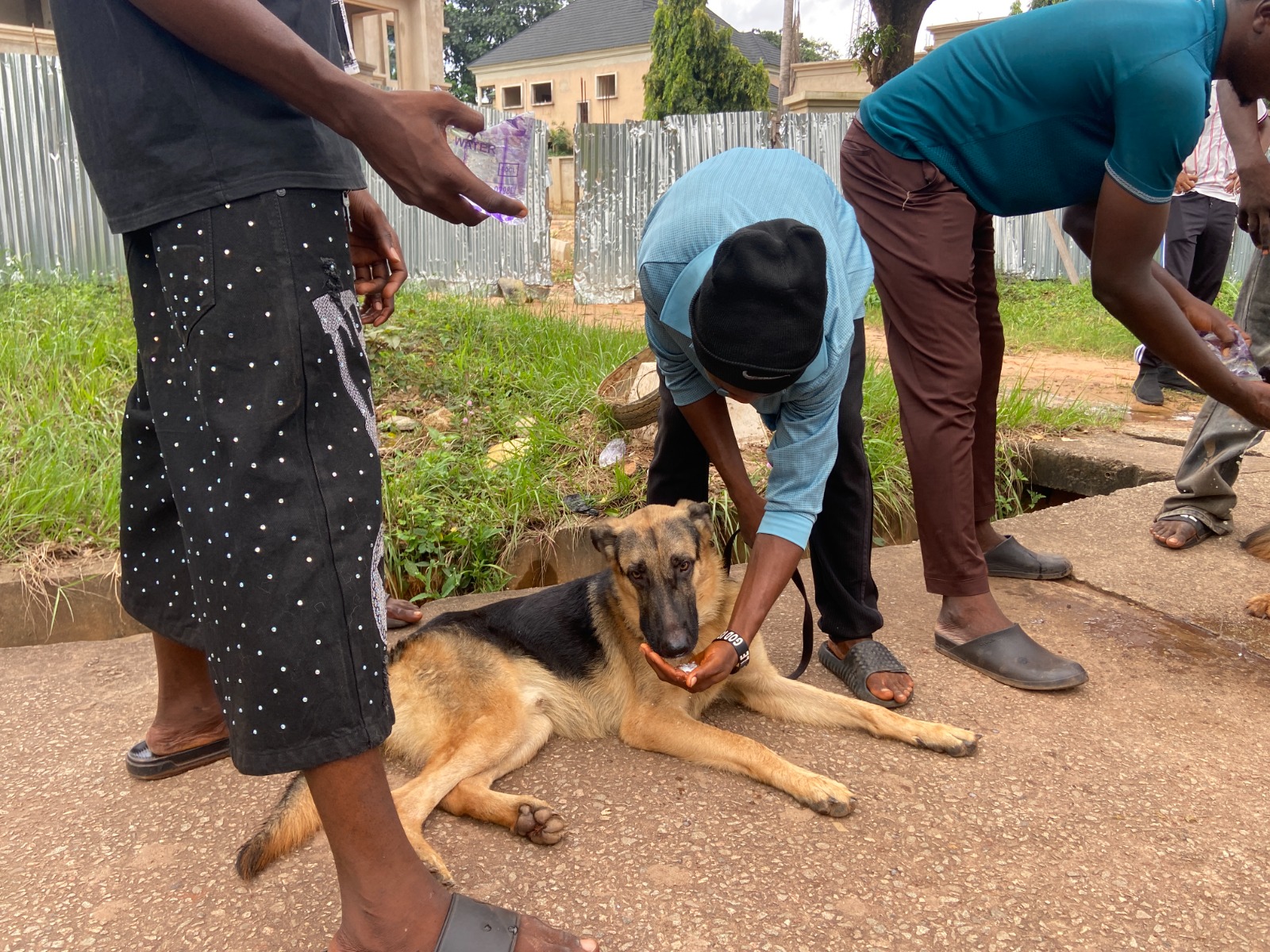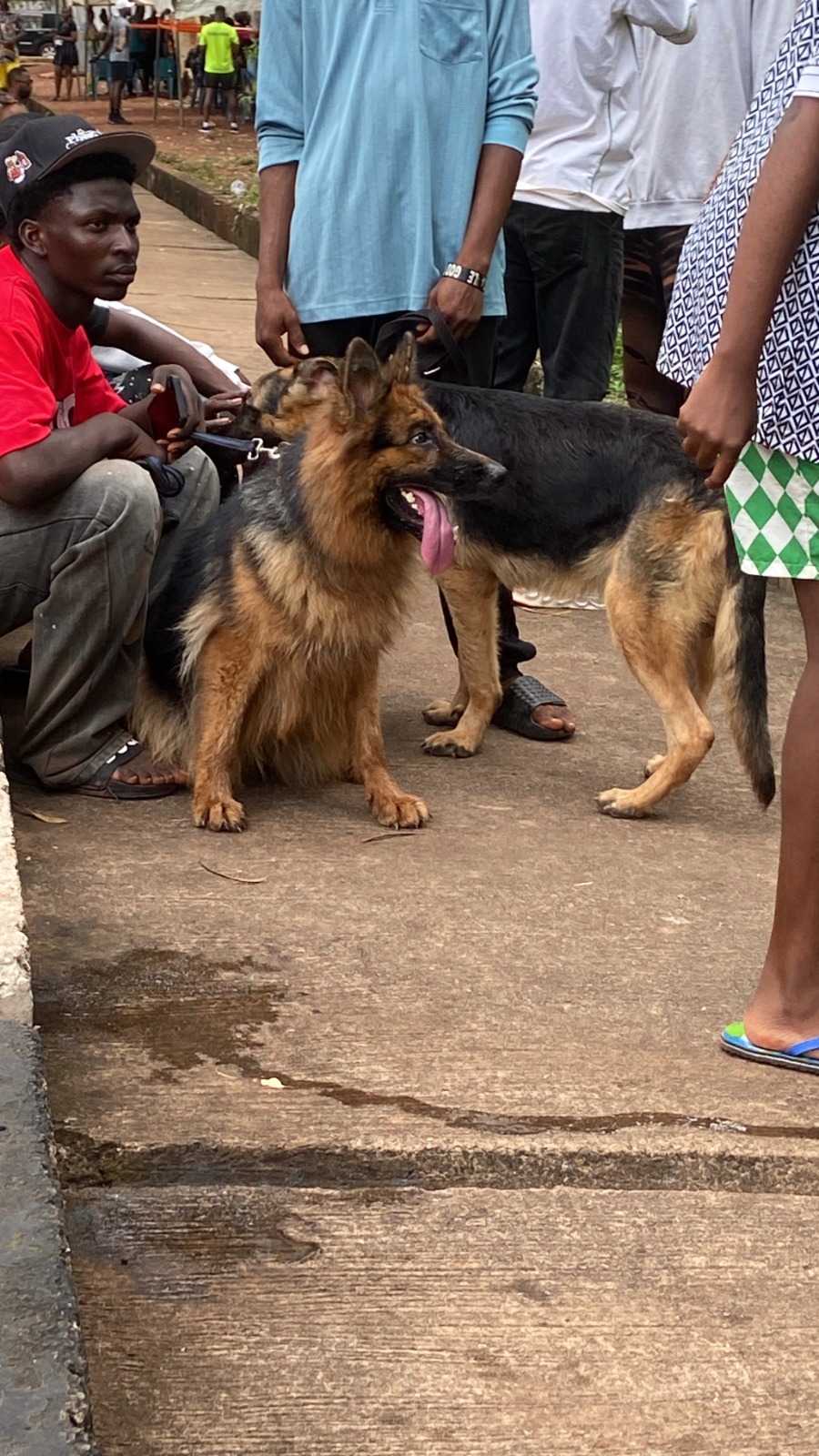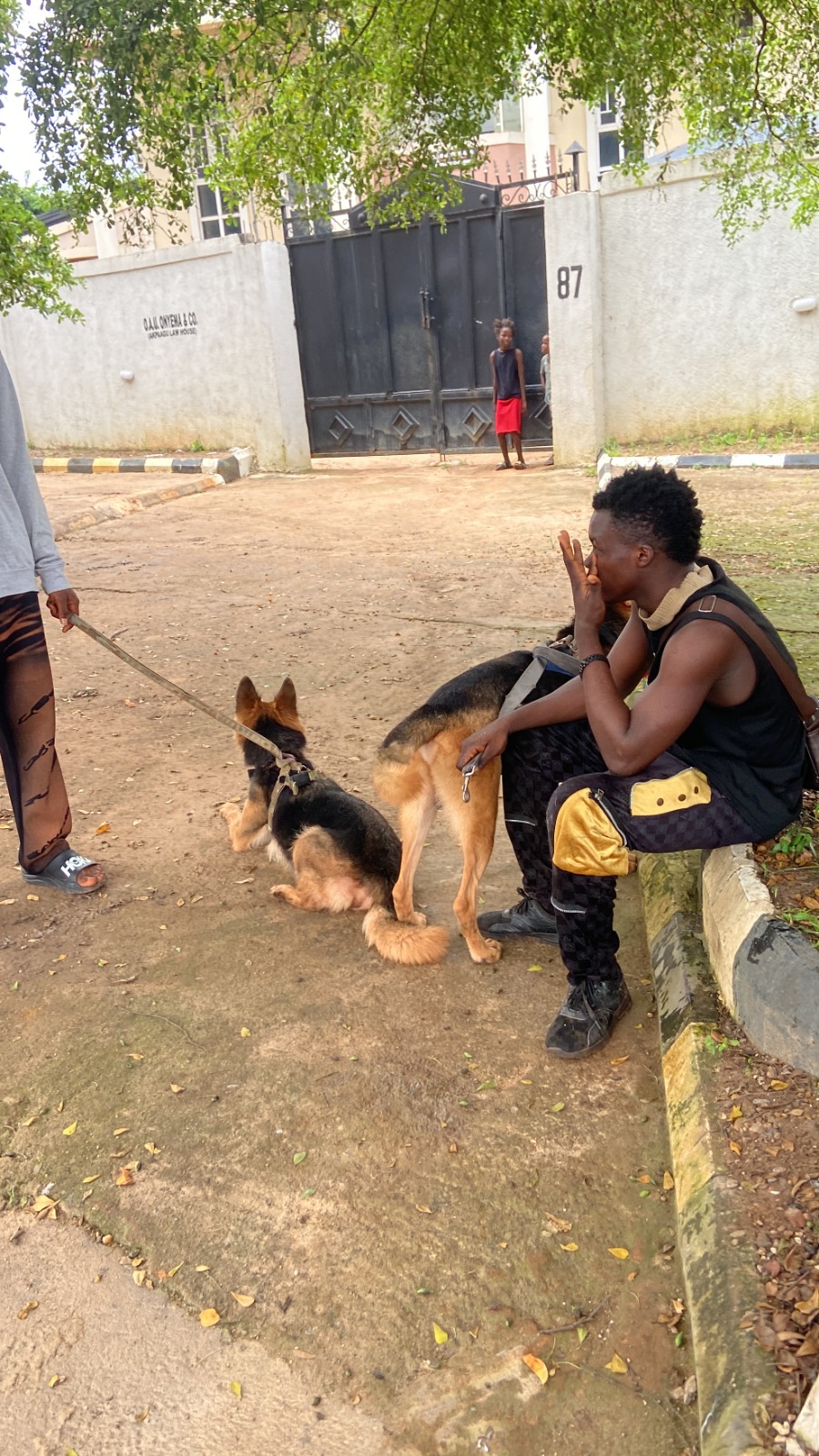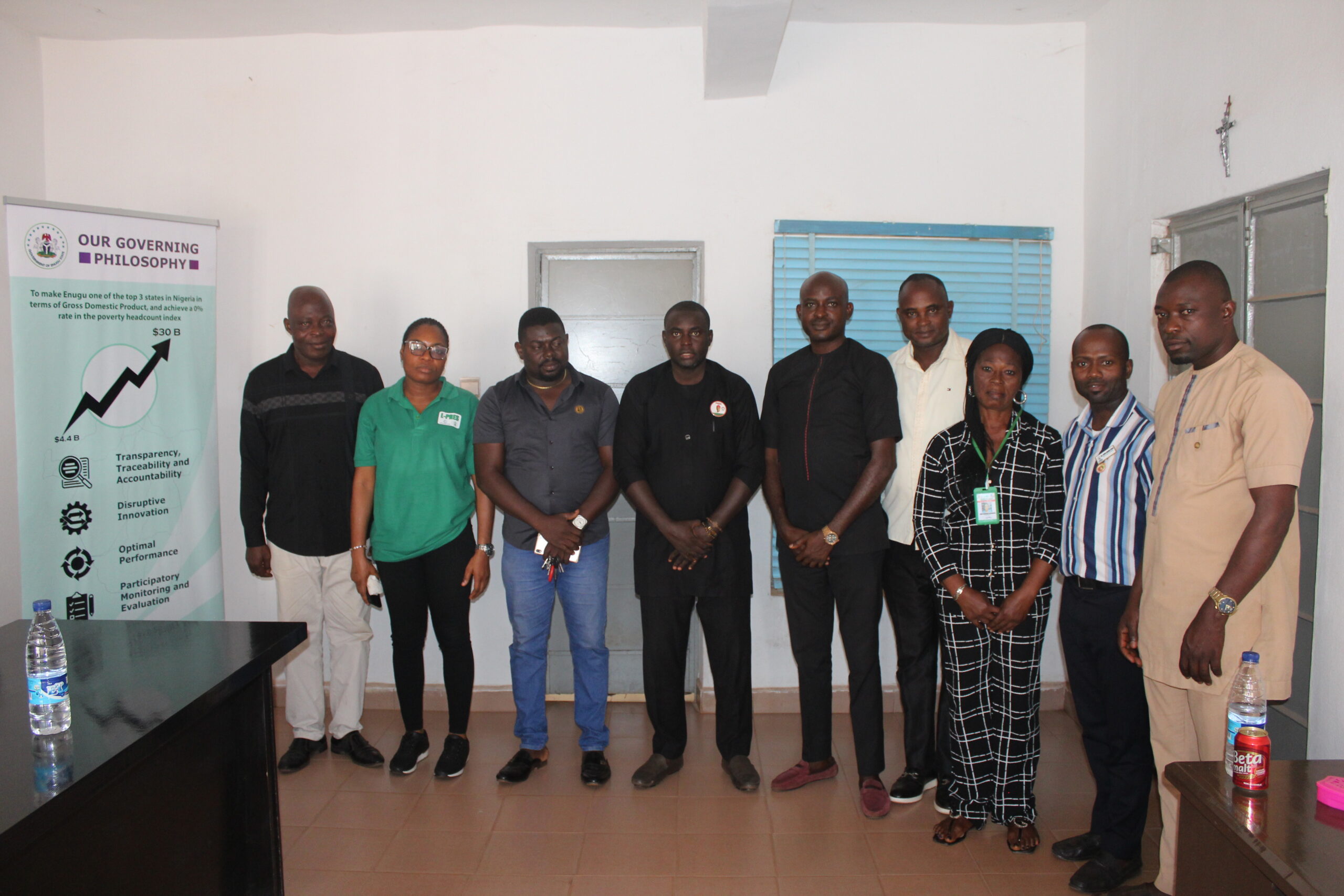

The Enugu State Livestock Productivity and Resilience Support (L-PRES) Project has intensified public awareness on rabies prevention, calling on dog owners, handlers and residents to embrace responsible pet ownership as a critical public-health measure.
Rabies is a highly fatal viral disease that affects both animals and humans and is mainly transmitted through the bite or saliva of an infected animal, especially a dog. Once clinical signs appear, the disease is almost always fatal, making prevention through dog vaccination and prompt medical response essential.
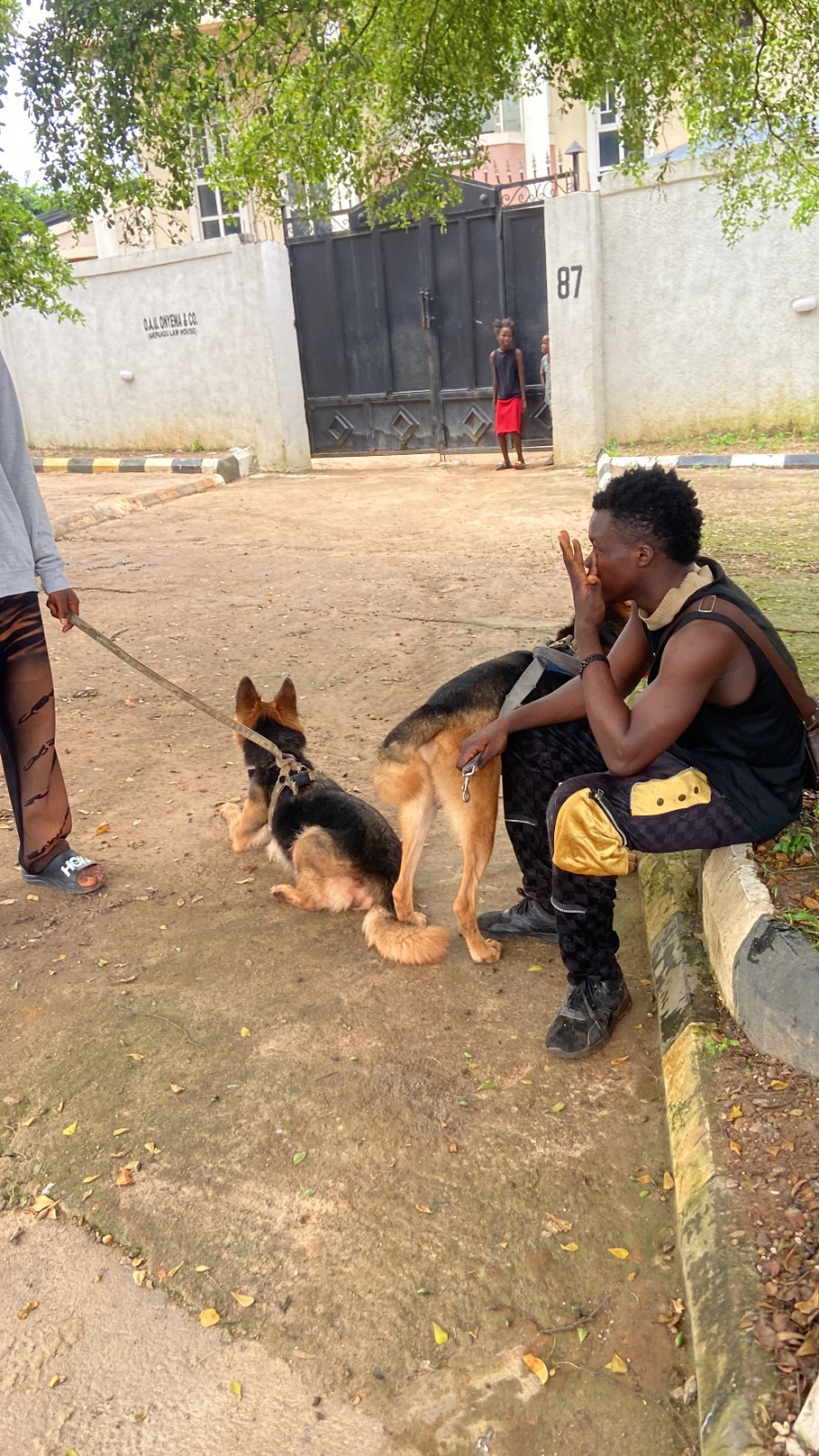
Unvaccinated and free-roaming dogs pose a particular risk to households, children, livestock handlers, veterinary workers and community members who may come into contact with stray or unfamiliar animals. In Enugu State, research has also shown that low vaccination coverage, cost, limited access to veterinary services and low awareness remain major barriers to rabies control.
L-PRES Enugu is using its livestock-health platform to strengthen disease prevention, veterinary service delivery and community sensitisation. The project works with the Enugu State Veterinary Services Department and other stakeholders to support animal-health interventions, vaccination activities and farmer education across the state.
The rabies awareness drive reinforces the project’s broader goal of building resilient livestock systems and protecting communities from animal-disease emergencies. It also aligns with the state government’s emphasis on biosecurity, early warning systems and preventive action against disease outbreaks.
* Dog owners and handlers are encouraged to:
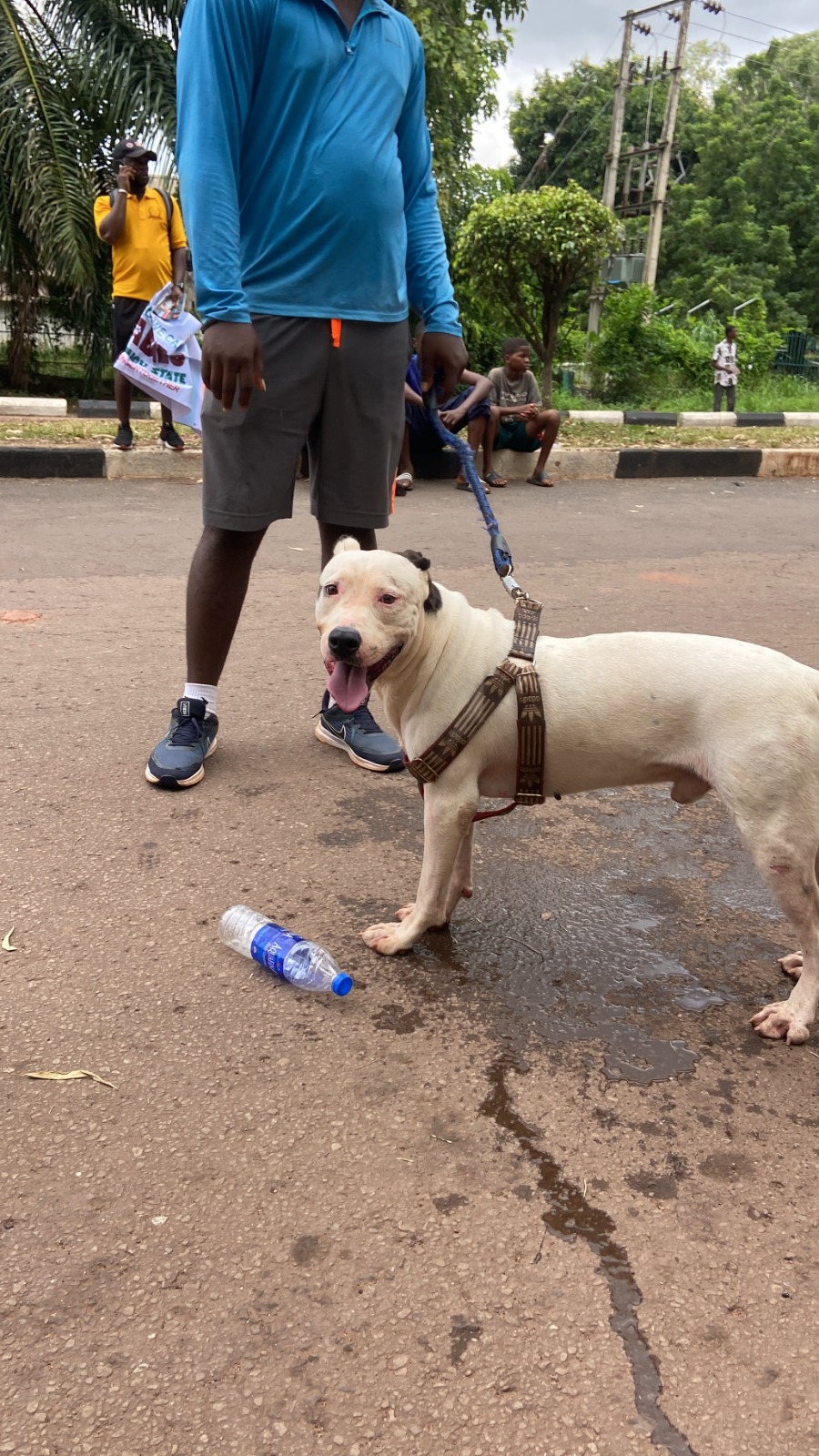
Vaccinate all dogs against rabies and keep vaccination records up to date.
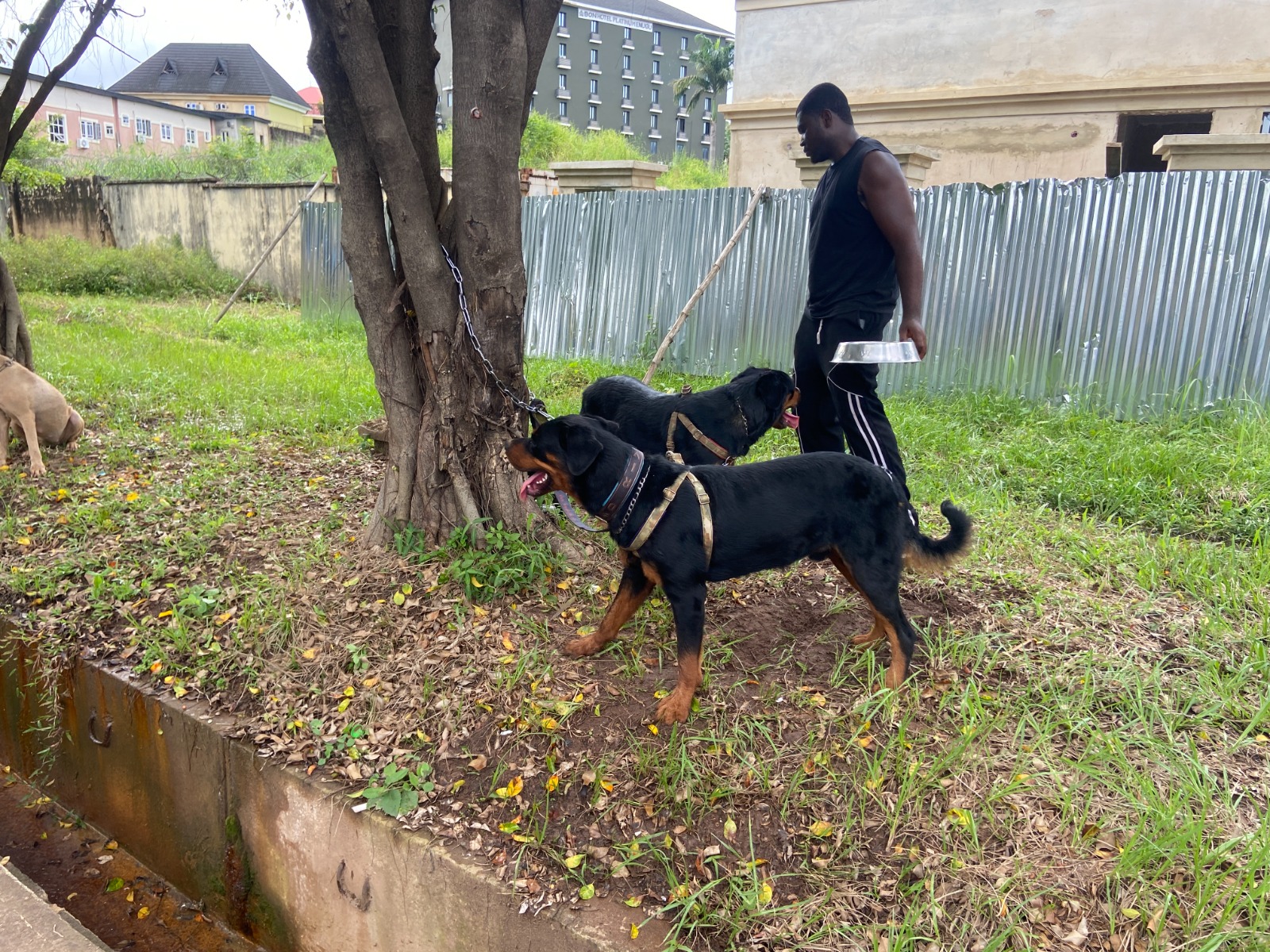
* Confine dogs securely and prevent them from roaming freely in neighbourhoods.
* Avoid contact with stray, sick or unfamiliar animals.
* Report animals showing unusual aggression, excessive salivation, abnormal behaviour or paralysis to the nearest veterinary authority.
* Seek immediate medical attention after any dog bite or scratch, even if the animal appears healthy.
Anyone bitten or scratched by a dog should immediately wash the wound thoroughly with mild soap under running water for at least 10 minutes and go to the nearest health facility for urgent assessment and possible post-exposure prophylaxis. Delaying care can be dangerous because rabies is preventable only before symptoms begin.
The message from L-PRES is straightforward: vaccinate your dogs, protect your family, and help stop the spread of rabies. Achieving this requires cooperation among pet owners, veterinary professionals, community leaders, local authorities and residents, particularly in areas where dogs move freely or veterinary access is limited.
Community-based education, affordable or subsidised vaccination campaigns, and stronger public-private veterinary partnerships can help close the gap between awareness and action—key steps toward protecting both animal and human health in Enugu State.