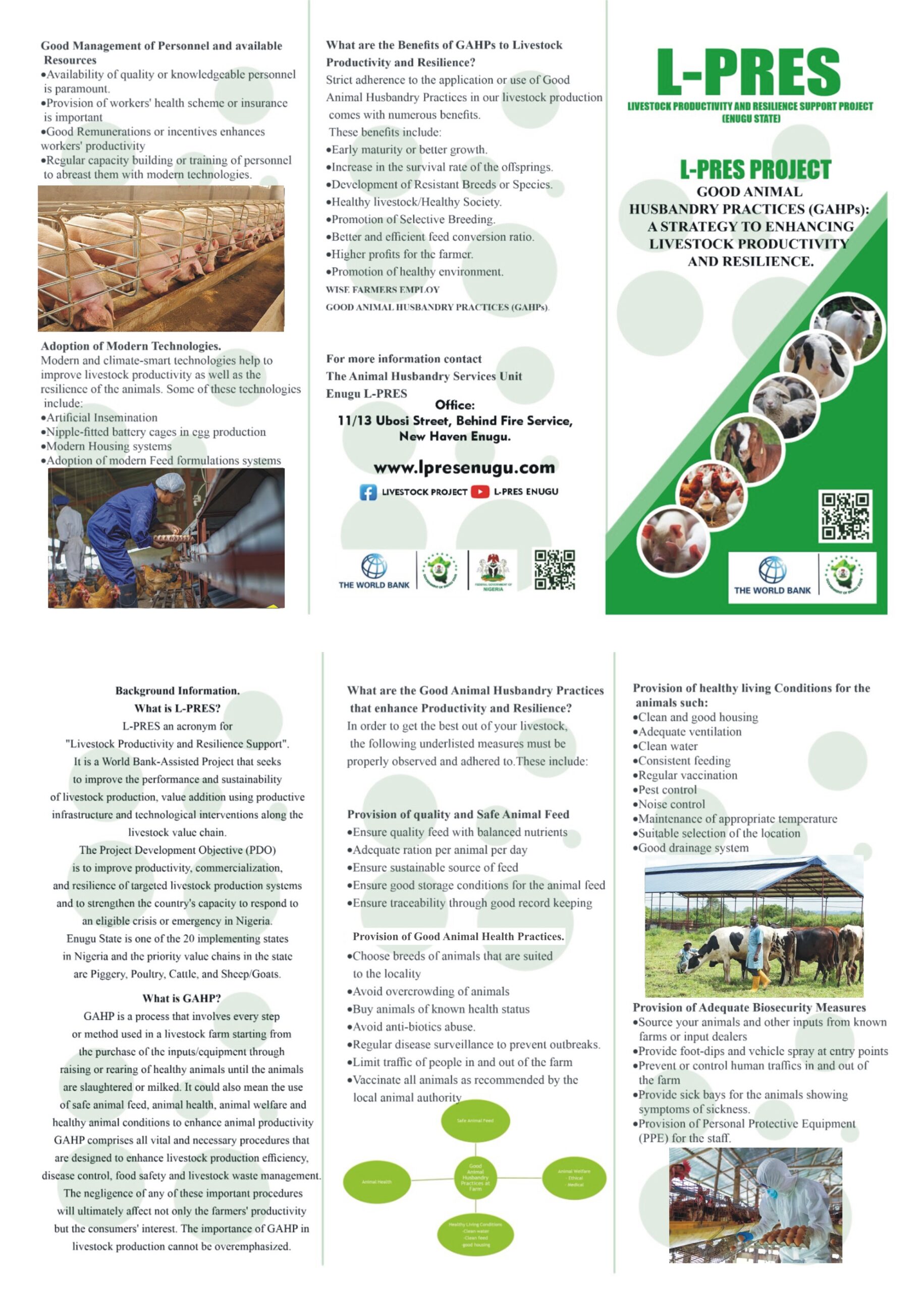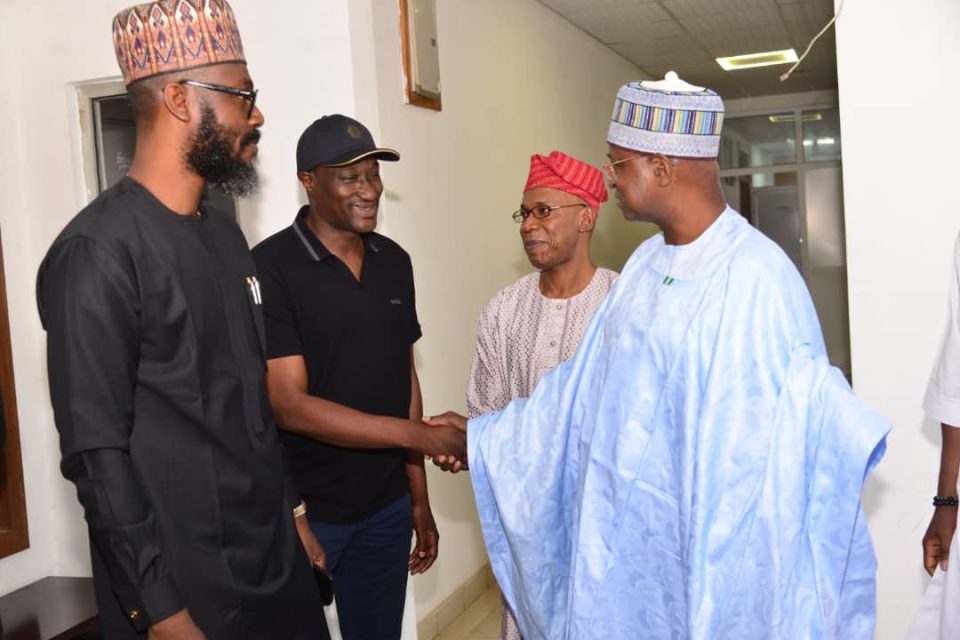

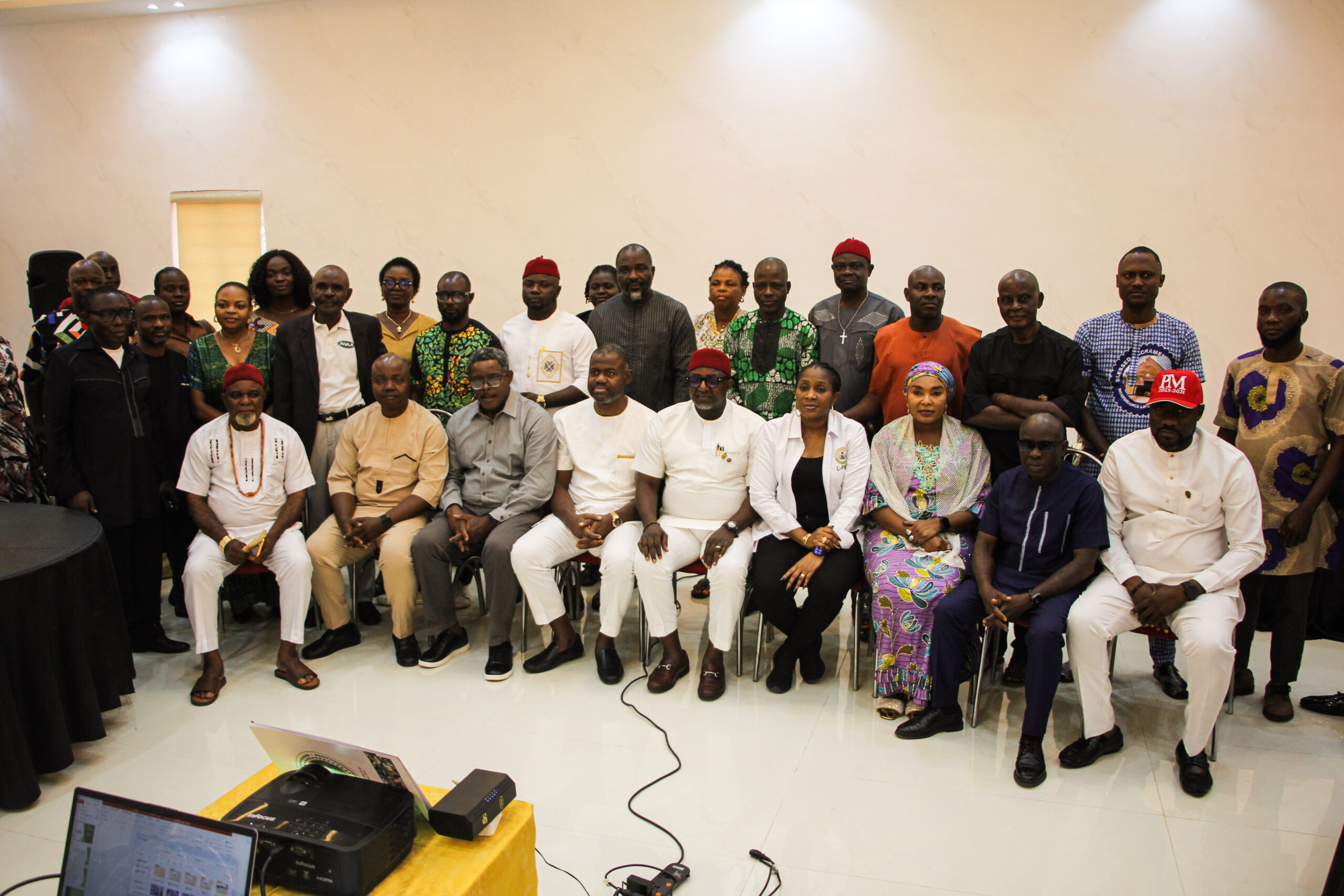
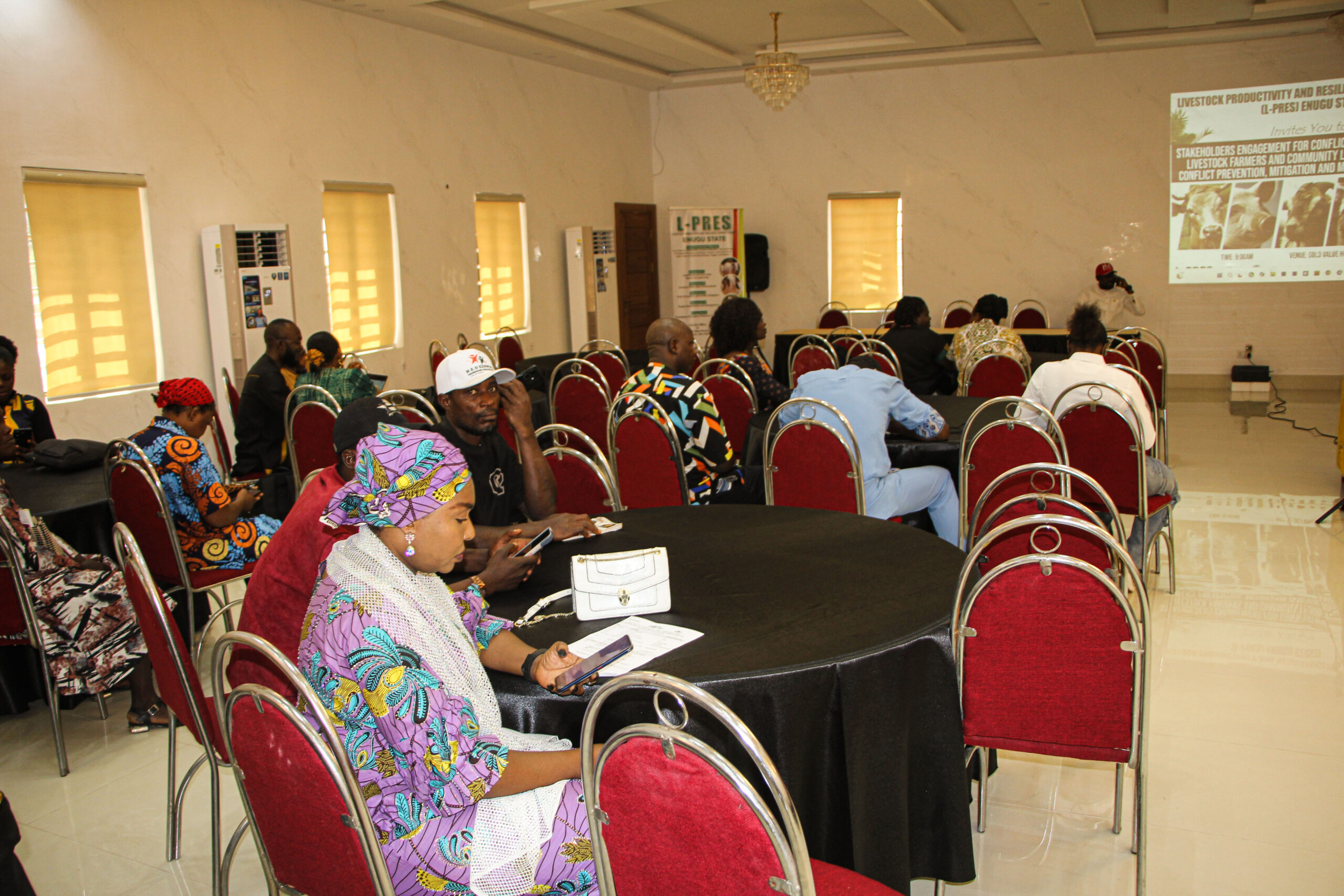
The Enugu State Livestock Productivity and Resilience Support Project (L-PRES) organized a stakeholders’ engagement for members of the Conflict Mediation Committee, livestock farmers and community leaders across project communities in the state.
The engagement focused on conflict prevention, mitigation and management strategies, with particular attention to strengthening peaceful relationships among livestock farmers, host communities, traditional institutions, project contractors and other stakeholders.
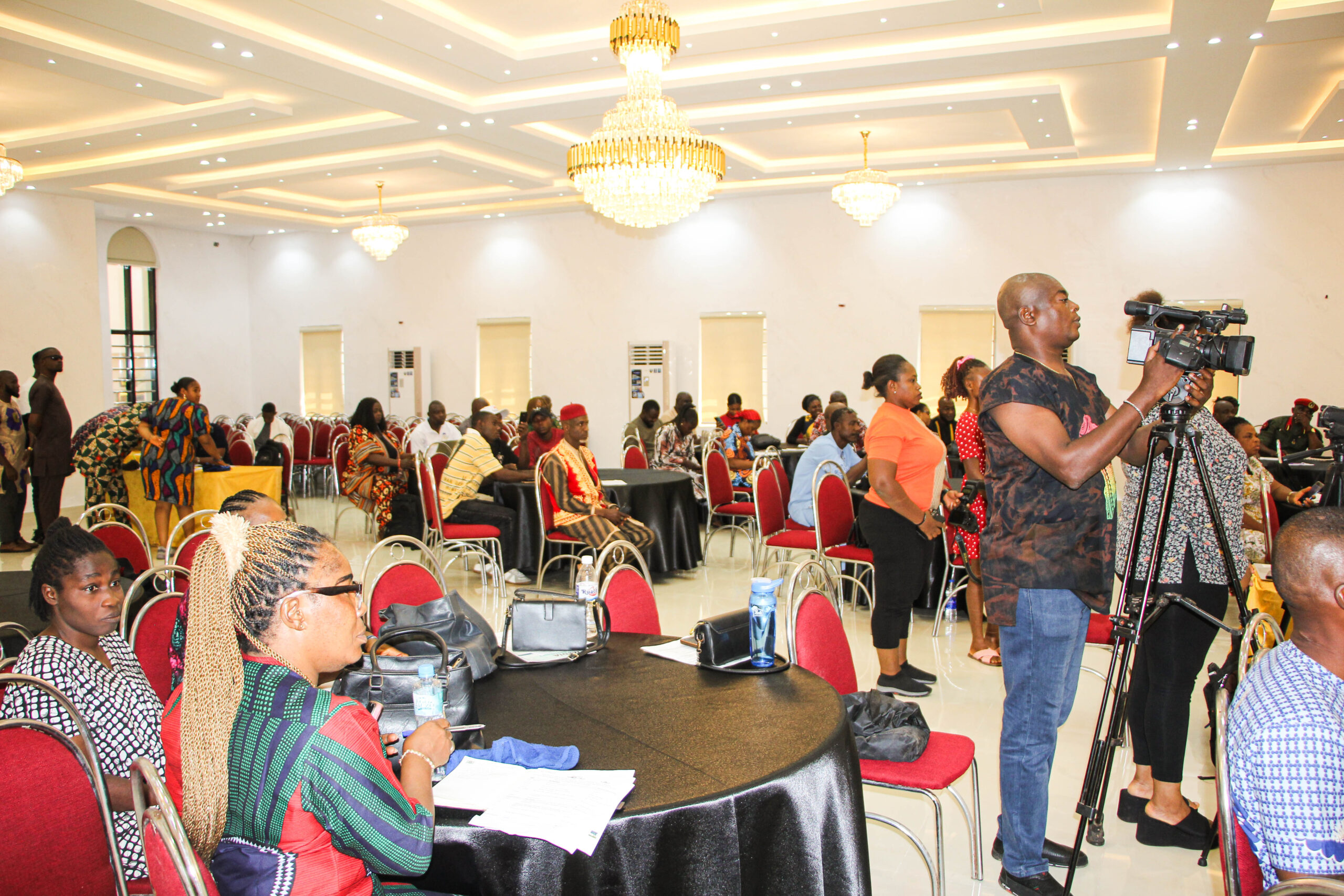
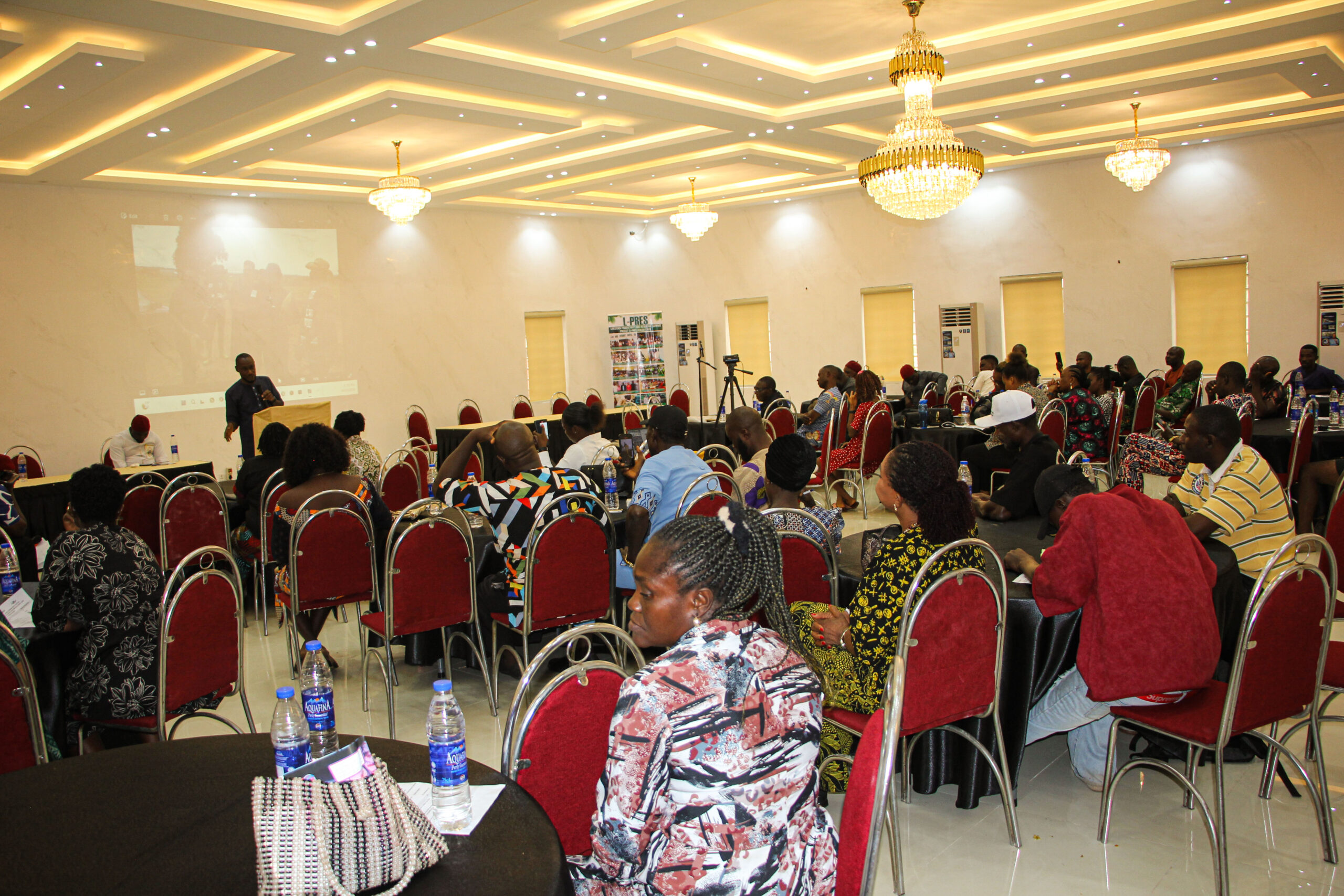
Although no major conflict has been recorded in the communities involved in the World Bank-assisted projects, the organizers explained that preventive engagement remained necessary. They noted that early dialogue, consultation and community participation were essential tools for avoiding misunderstandings and preventing minor grievances from escalating into serious disputes.
The meeting therefore provided an opportunity for stakeholders to openly discuss possible sources of tension, clarify responsibilities and develop practical approaches for peaceful coexistence. It also created a platform for communities to understand the objectives of the L-PRES projects and to participate actively in their successful implementation.
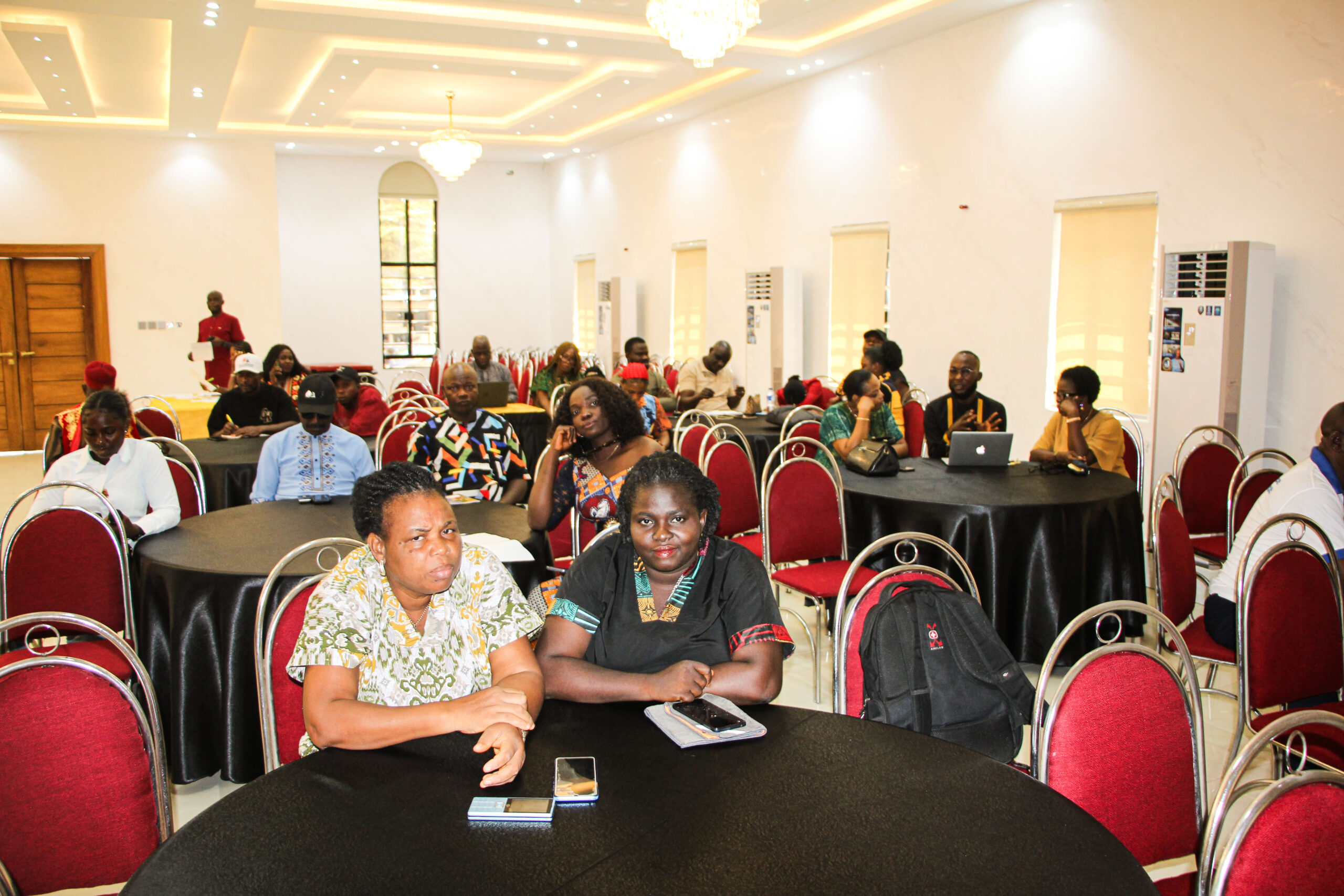
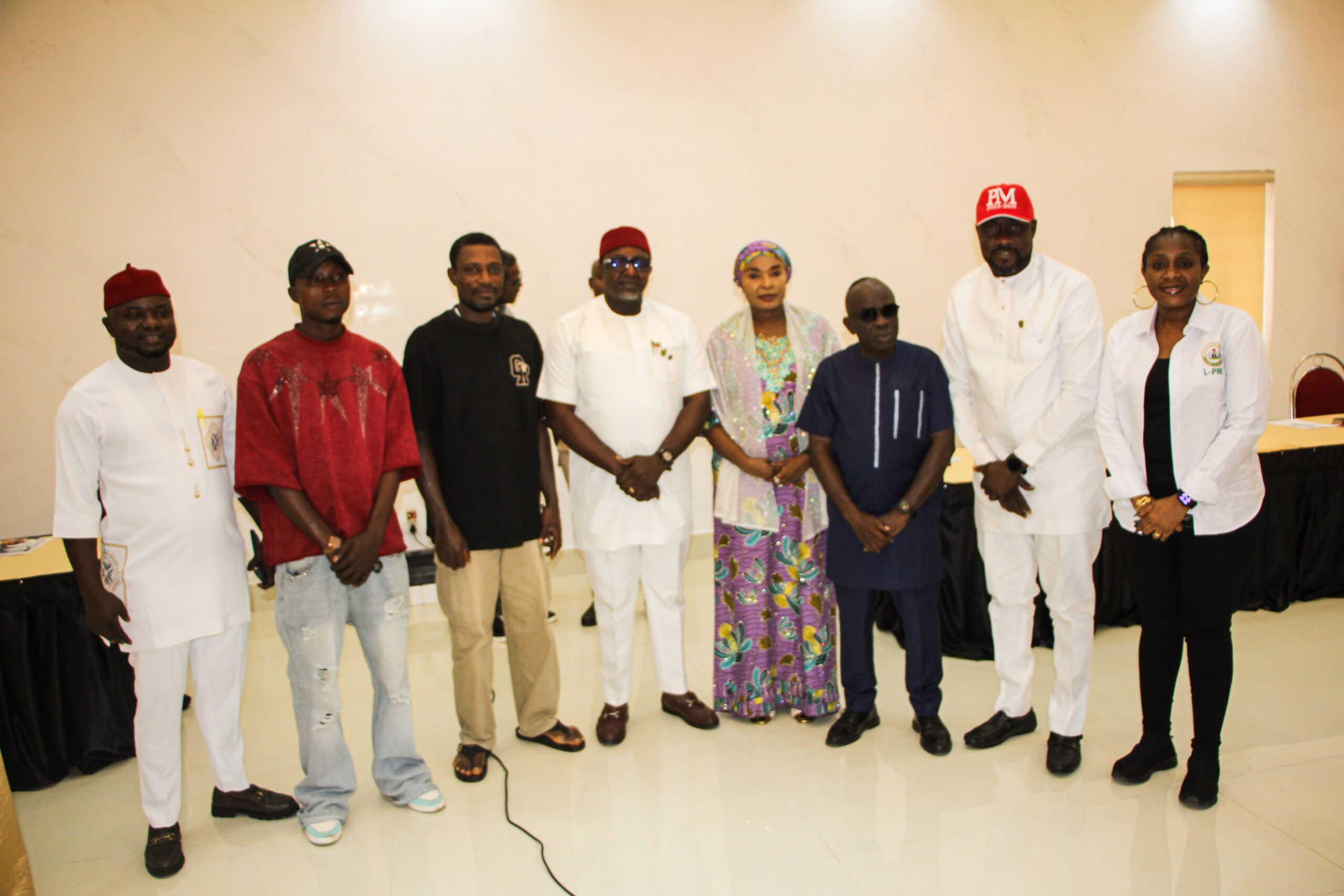
The engagement brought together community leaders, livestock farmers, representatives of relevant committees and other stakeholders from Ubahu, Amankanu, Owo, Akonike and Akpogazi in Nkanu East Local Government Area; Agudene Neke and Umualor in Isi-Uzo Local Government Area; as well as Akwuke in Enugu South Local Government Area.
Their participation reflected the inclusive approach of the project and underscored the importance of involving host communities in decisions affecting their land, livelihoods and economic future.


Speaking at the event, the Enugu State Commissioner for Agriculture and Agro-Industrialisation, Dr Patrick Ubru, expressed delight at the level of cooperation between the project and the communities.
He said the gathering demonstrated the willingness of stakeholders to work together for the progress of Enugu State. According to him, the success of any agricultural development initiative depends not only on government investment but also on the cooperation, understanding and active participation of the people.
Dr Ubru commended the community leaders and livestock farmers for supporting the project and urged them to sustain the spirit of collaboration. He explained that peaceful communities were essential to attracting investment, expanding agricultural activities and ensuring that development projects achieved their intended objectives.
The Commissioner further stated that the initiative supported the development agenda of the Governor of Enugu State, Dr Peter Ndubuisi Mbah, particularly his commitment to improving food security, strengthening the agricultural value chain and promoting the Gross Domestic Product of the state.
The Enugu State Government has identified livestock development as an important avenue for economic growth, job creation and improved food production. The state’s L-PRES intervention is expected to support farmers through improved infrastructure, training, veterinary services, better breeds, modern production techniques and stronger access to markets.
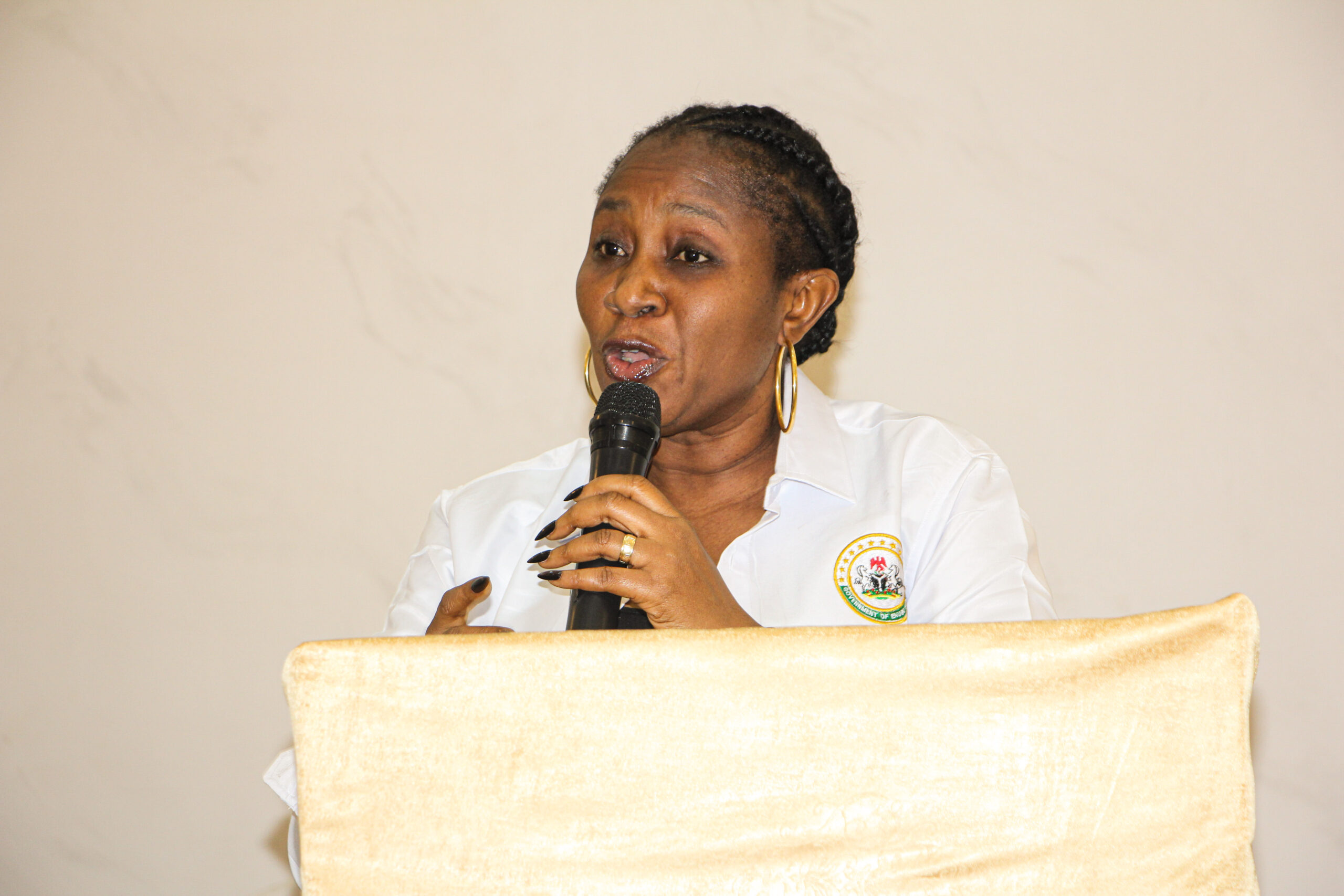
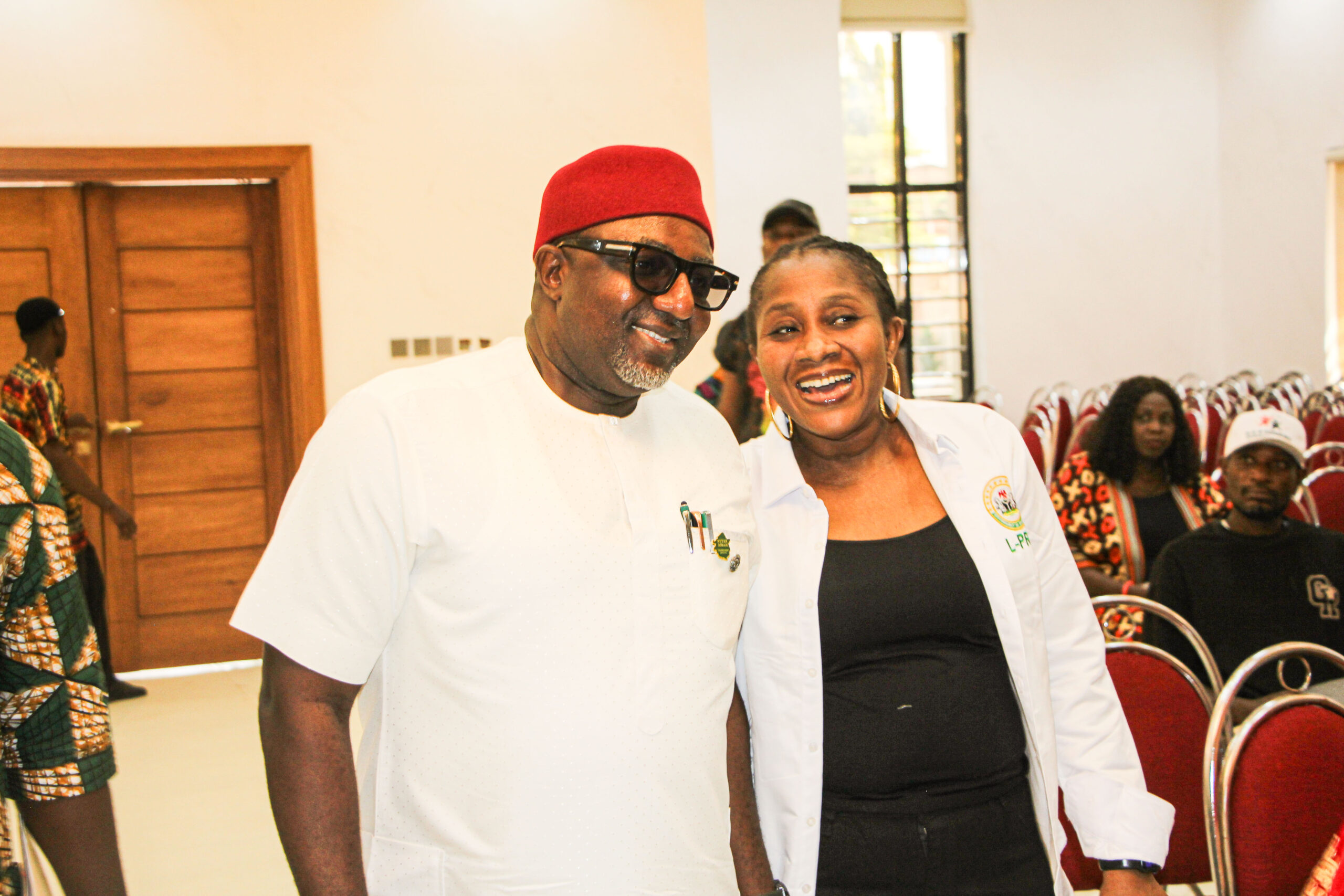
Also speaking, the State Project Coordinator of Enugu L-PRES, Dr Ifeyinwa Elizabeth Nnajieze, provided an overview of the progress recorded under the project.
She explained that L-PRES was designed to address some of the major challenges confronting the livestock sector, including low productivity, inadequate infrastructure, limited access to improved animal health services, weak market linkages and insufficient technical support for farmers.
Dr Nnajieze said the project had continued to engage farmers, communities and relevant institutions because sustainable development could only be achieved when beneficiaries were properly informed and carried along. The State Project Coordinator also expressed appreciation to Governor Peter Mbah for granting the project the necessary support to operate effectively and achieve important milestones. She noted that the Governor’s commitment had contributed significantly to the progress of L-PRES implementation in the state.
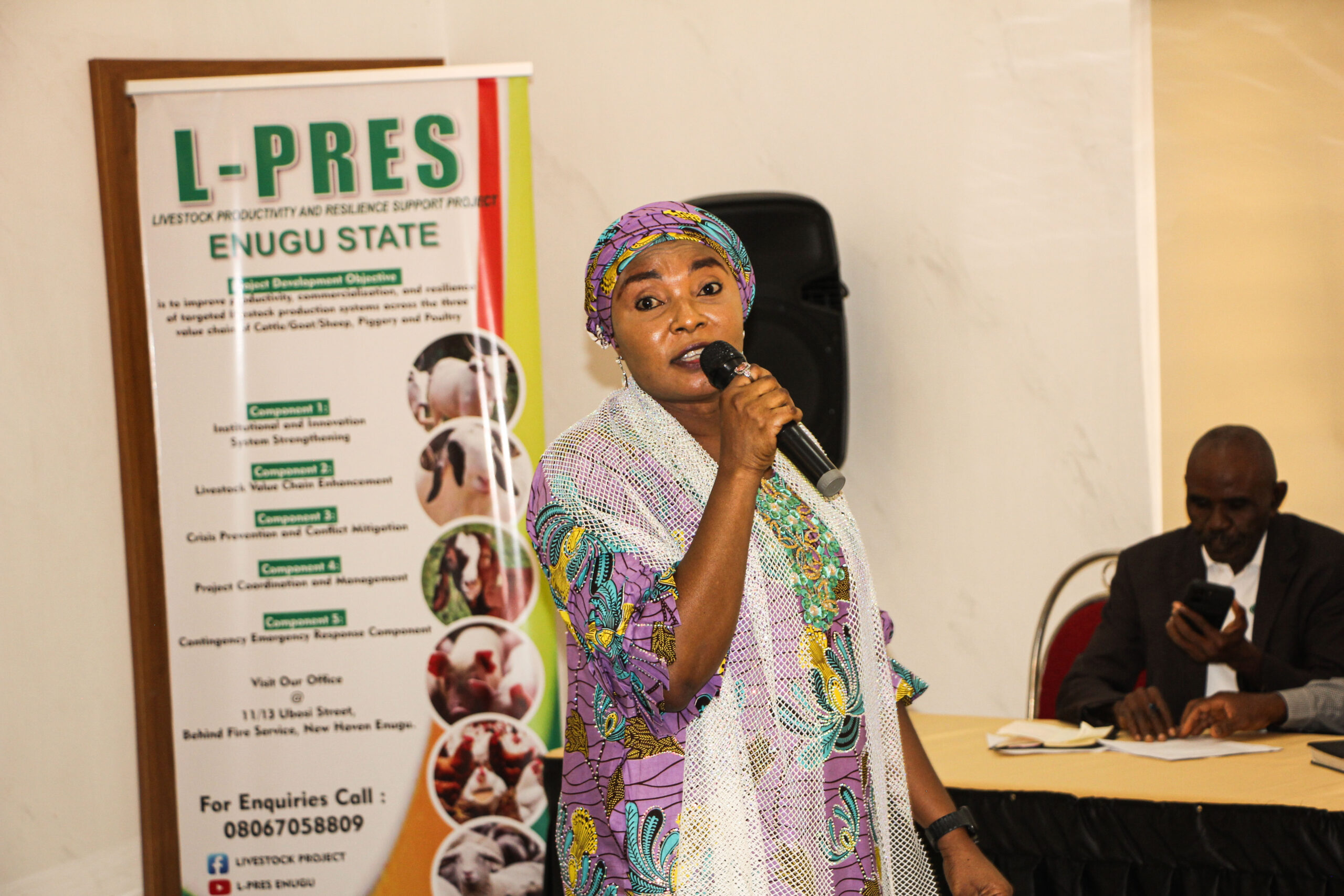
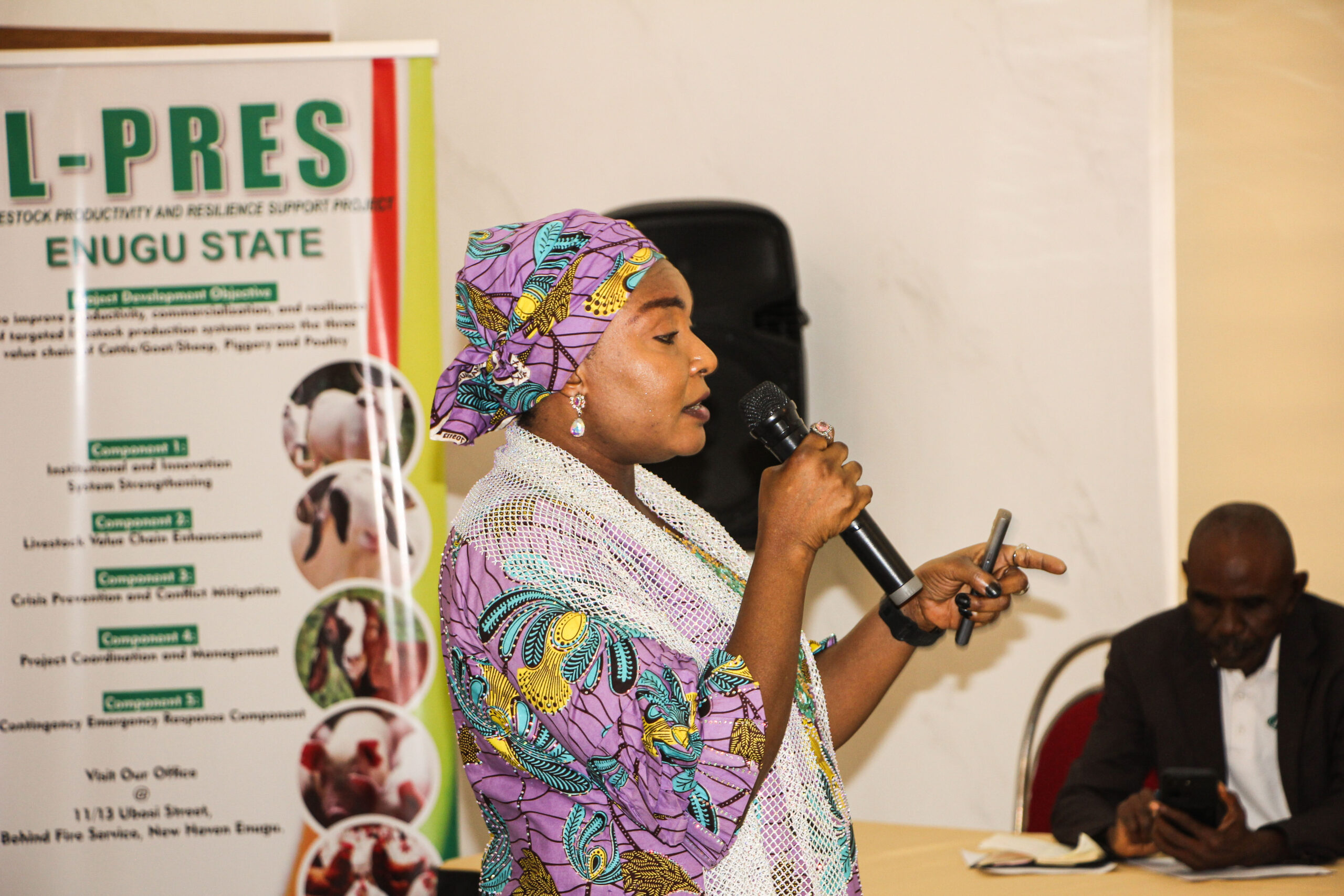
The training also featured a presentation by the National Social Safeguard Specialist, Mrs Maryam Adamu, who spoke on “Grievance Resolution to Prevent Conflict Escalation.”
Mrs Adamu explained that grievances were a normal part of human interaction and could arise from issues relating to land access, project implementation, employment opportunities, compensation, contractor activities, community expectations or the use of shared resources.
She stressed, however, that grievances did not have to become conflicts if they were identified and addressed promptly. She advised stakeholders to establish open communication channels through which complaints could be received, documented, investigated and resolved fairly.
The National Social Safeguard Specialist encouraged participants to avoid rumours, threats, confrontations and unilateral actions. Instead, she advocated dialogue, active listening, mediation and respect for established community and project procedures.
She also explained that an effective grievance redress mechanism must be accessible, transparent, timely and trusted by all parties. According to her, stakeholders should be able to submit complaints without fear of intimidation or retaliation.
Participants were encouraged to report concerns early, before they became more difficult to manage. Community leaders were also urged to promote peaceful dialogue and ensure that vulnerable groups, women, youths and other affected persons were given opportunities to express their views.
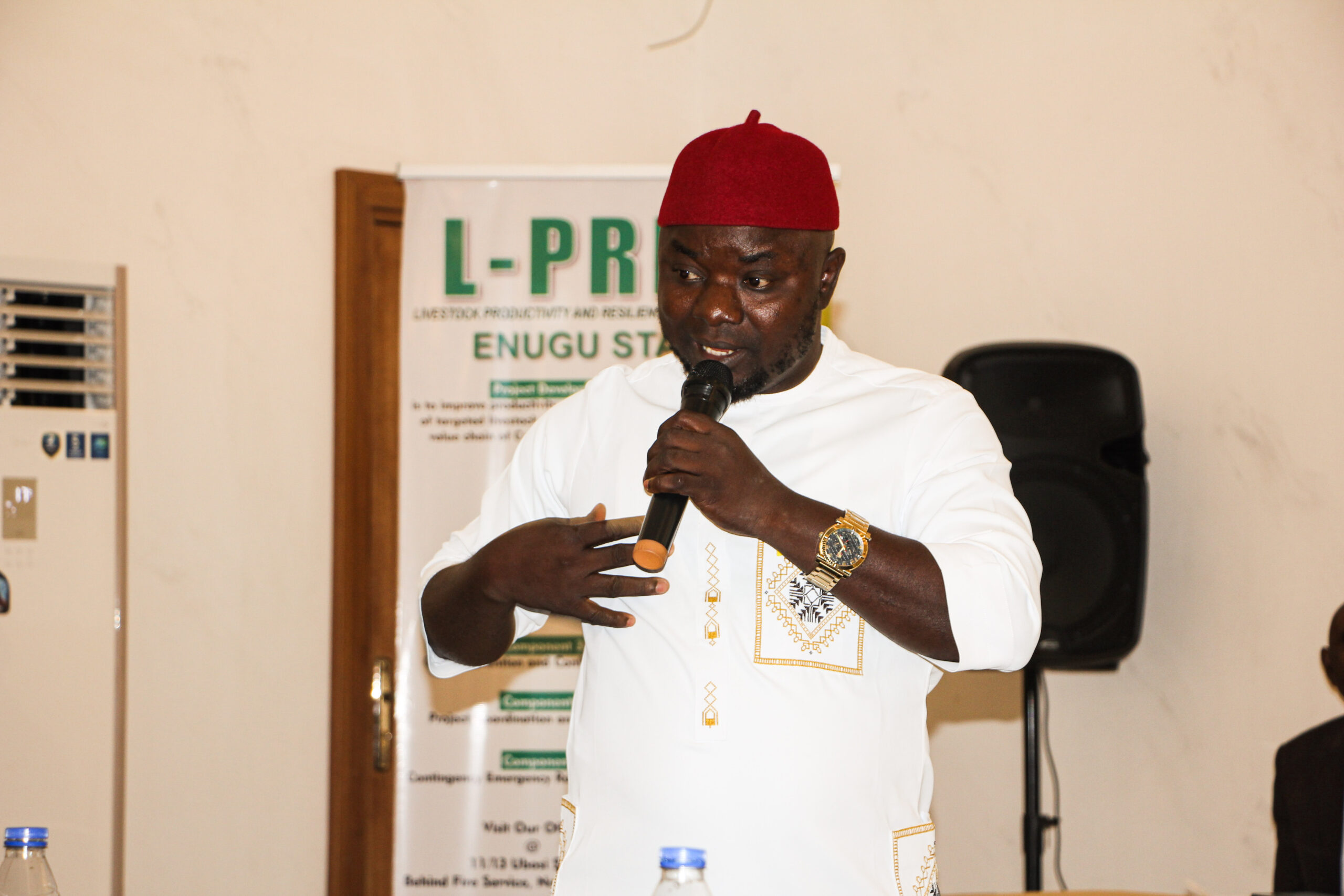
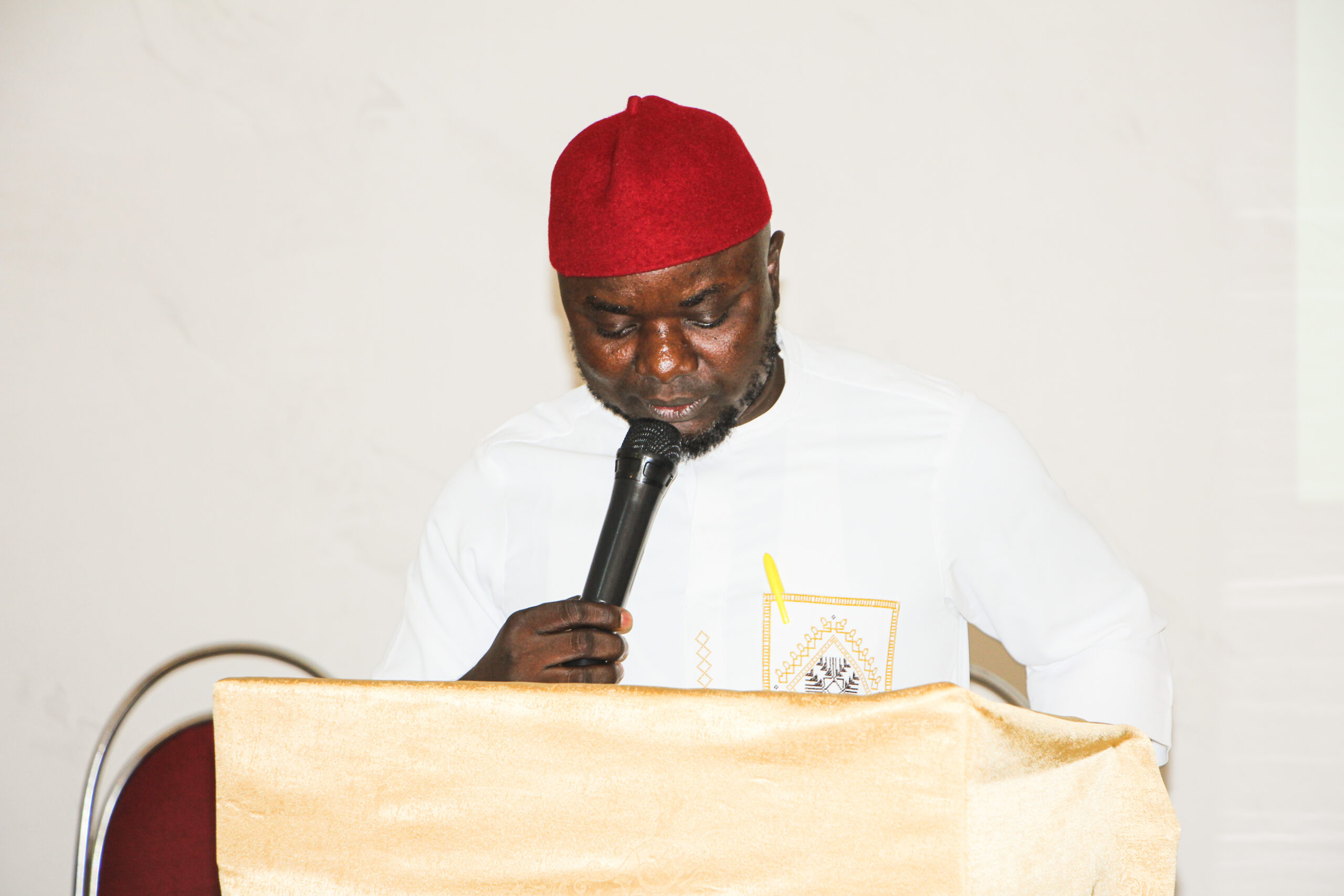
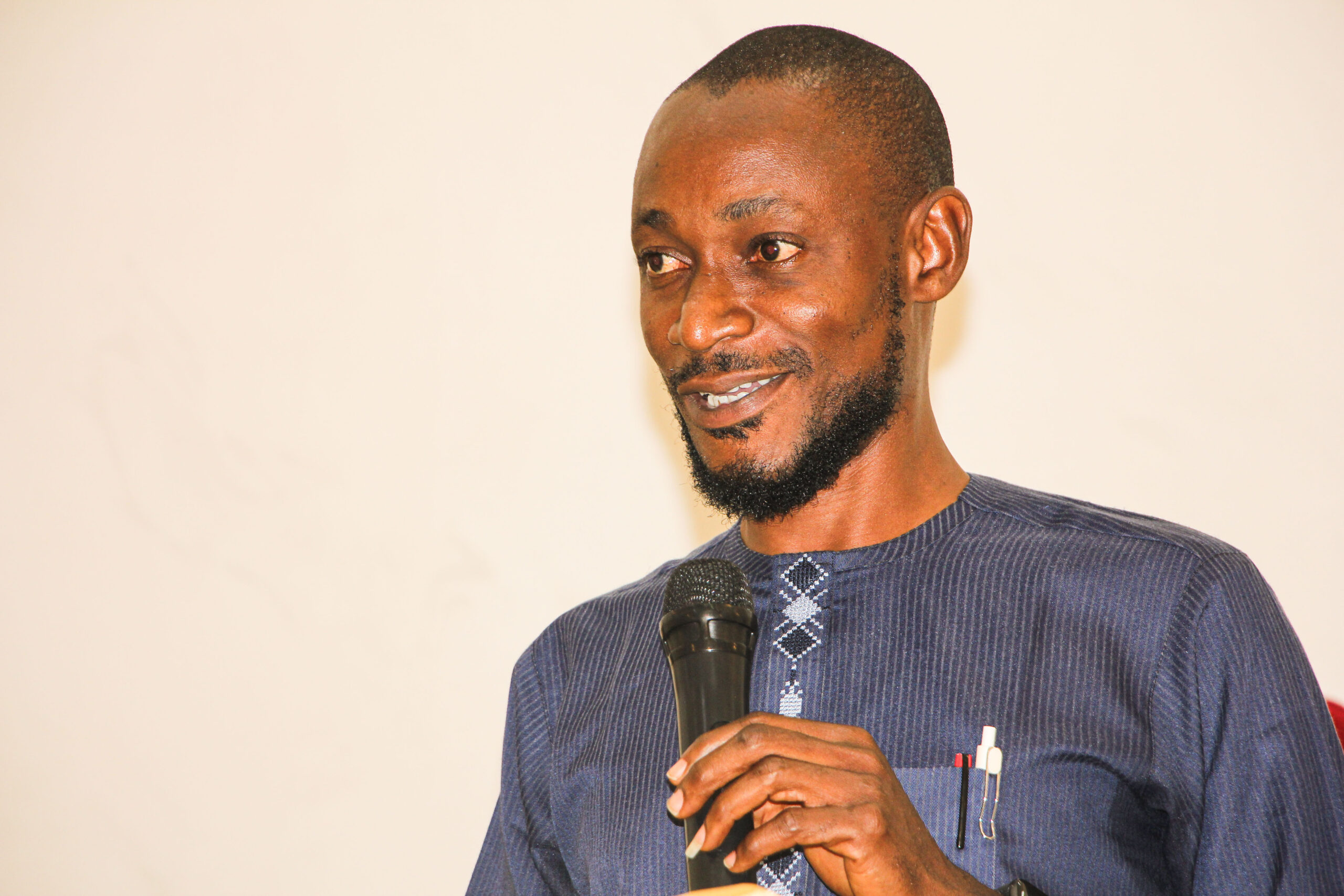
One of the major highlights of the engagement was a lecture delivered by Dr Amobi Ogbodo on the topic, “The Impact of Cooperative Societies and Other Stakeholders on the Performance and Sustainability of the Livestock Sector in Enugu State.”
The presentation examined the role of cooperative societies in improving the capacity and bargaining power of livestock farmers. Dr Ogbodo explained that farmers who operate collectively are better positioned to access credit, purchase inputs at reduced prices, obtain technical assistance and negotiate favourable market opportunities.
He also stressed that cooperatives could help farmers share knowledge, adopt improved production practices and manage risks more effectively. Through collective action, farmers could have stronger representation before government institutions, financial organisations, development partners and private investors.
The lecture further highlighted the need for transparency, accountability and effective leadership within cooperative societies. Participants were encouraged to maintain accurate records, hold regular meetings, promote equal participation and ensure that the benefits of cooperative membership reached all members.
The session generated considerable interest, with participants asking questions about cooperative registration, leadership structures, access to funding, membership requirements, dispute resolution and the responsibilities of cooperative executives.
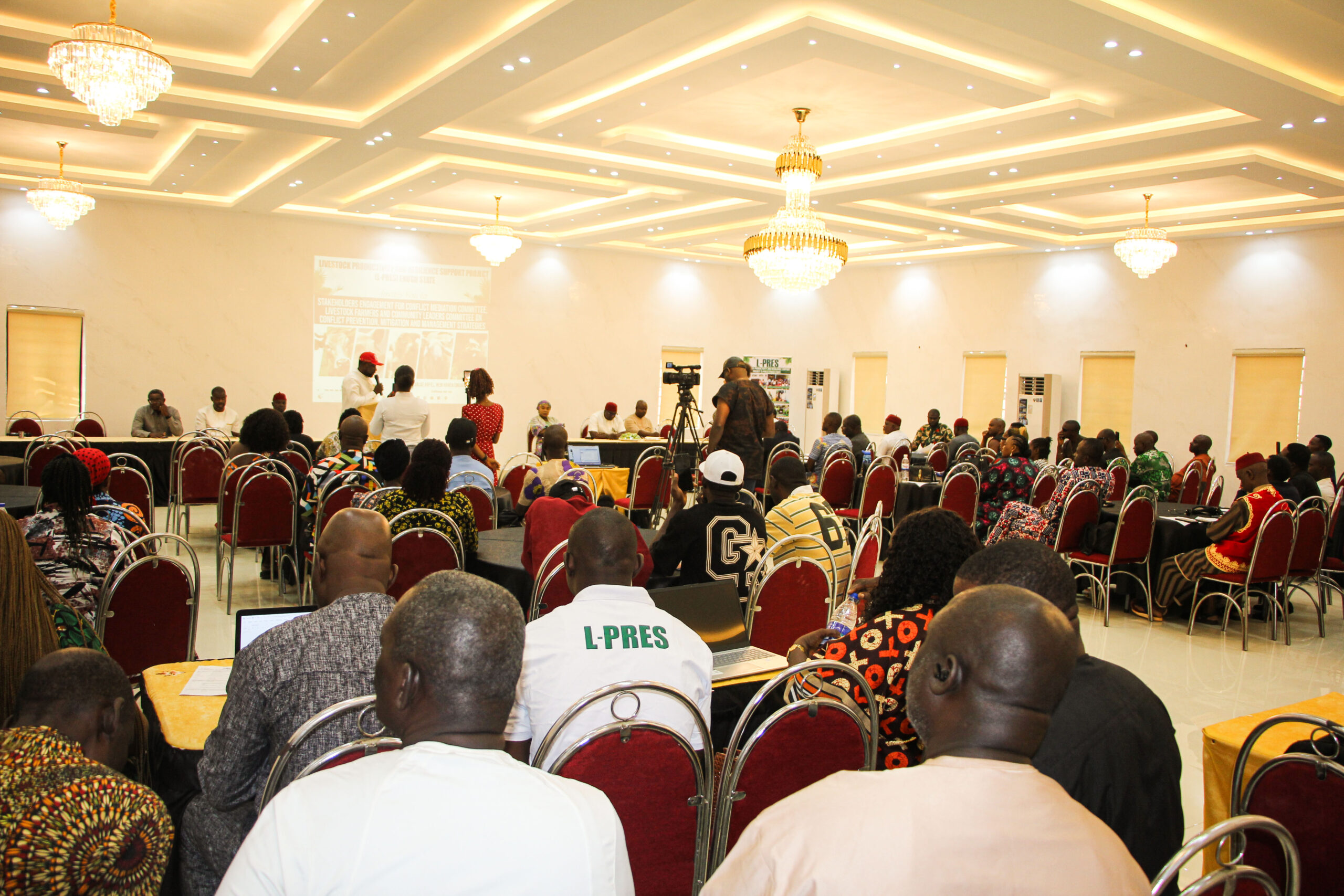
Many participants described the lecture as an eye-opener, saying it had improved their understanding of how cooperative societies could contribute to the growth, performance and sustainability of livestock enterprises.
The engagement also provided an opportunity for project contractors to brief the participants on ongoing construction and development activities.
Representing AWAA, one of the contractors, Mr James, gave an overview of the Enugu State Integrated Livestock Development Centre located at Ubahu and Amankanu in Nkanu East Local Government Area.
He explained that the facility, which covers approximately 11,300 hectares, was conceived as a major livestock development project capable of supporting improved production, processing, value addition and related economic activities.
Mr James said work was progressing according to schedule and assured the stakeholders that the contractor was making concerted efforts to meet the project timeline. He promised that the project would be delivered before the stipulated deadline, subject to the continued cooperation of the host communities and other relevant stakeholders.
A representative of Ugwu Anama Farm Limited, the contractor handling the Enugu State Integrated Animal Husbandry Climate-Smart Farm at Akwuke, also addressed the gathering.
The representative briefed participants on the ongoing work at the project site and explained that the facility was being developed to promote modern, efficient and climate-responsive animal husbandry practices.
He encouraged farmers in the surrounding communities to prepare for the transformation that the project would bring to the livestock sector. According to him, the facility would provide opportunities for improved production, enhanced technical knowledge and stronger integration of farmers into the state’s agricultural development plans.
He further urged the farmers to remain receptive to new technologies and improved management practices. Such innovations, he said, would help farmers increase productivity, reduce losses and adapt to changing environmental and economic conditions.
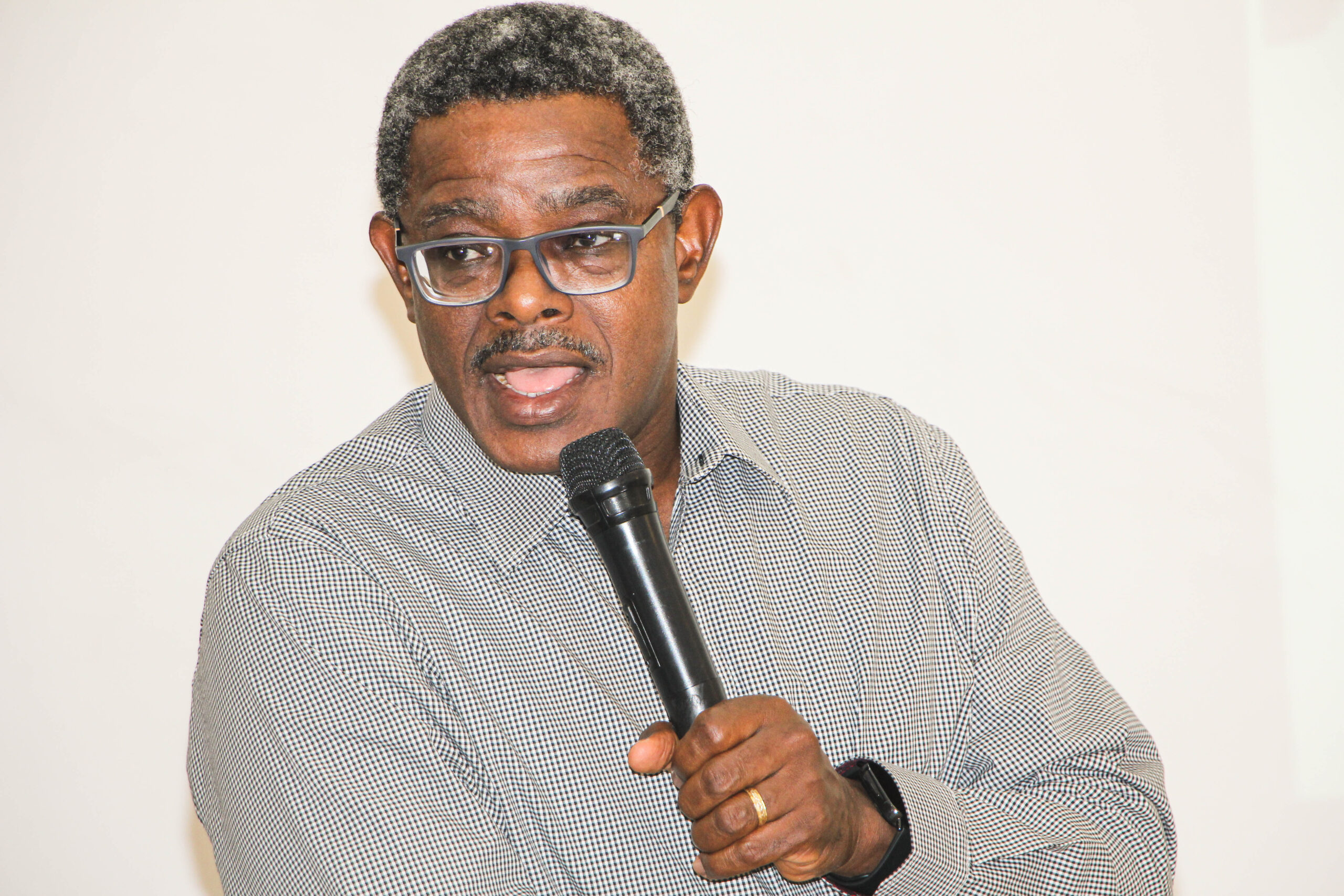
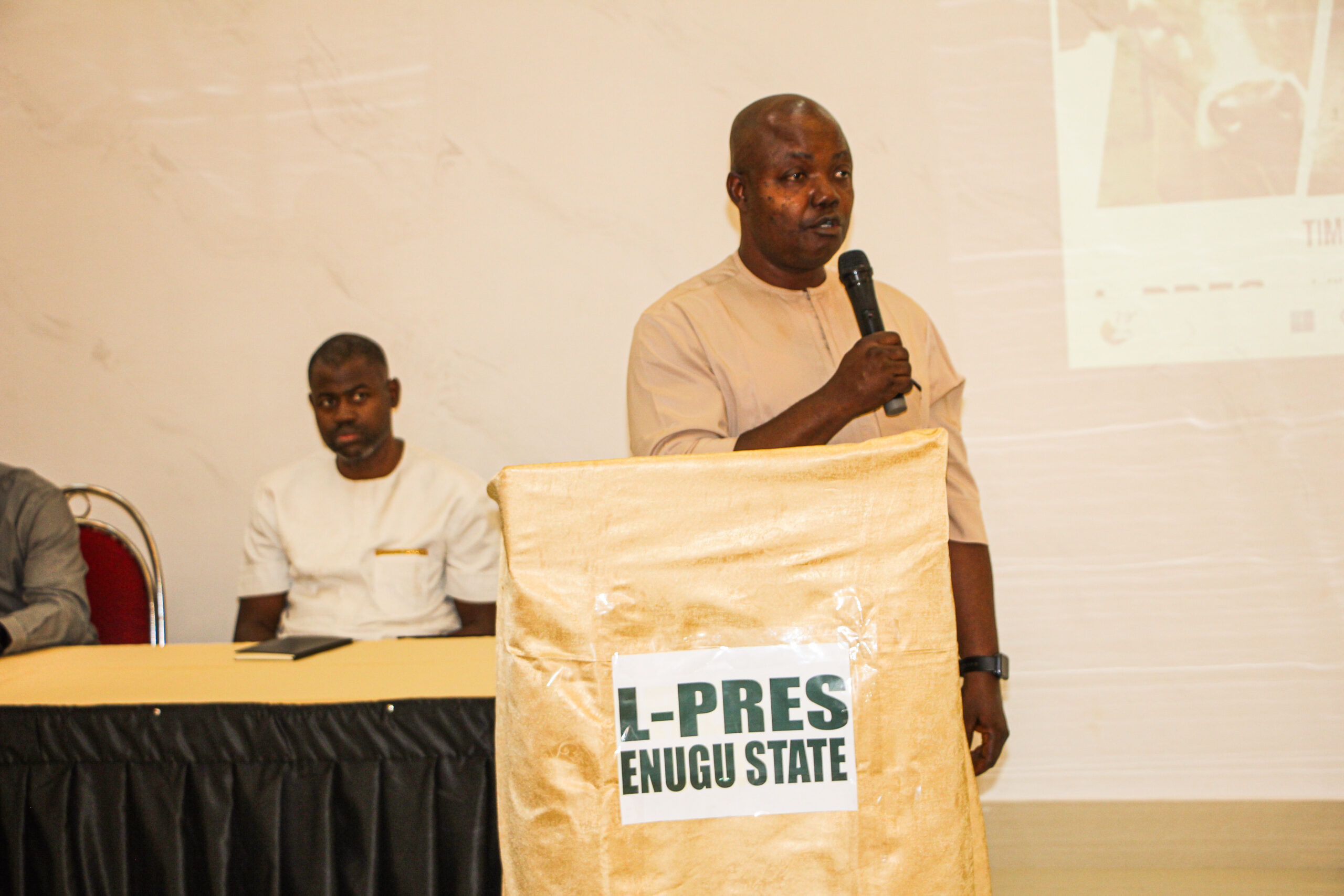
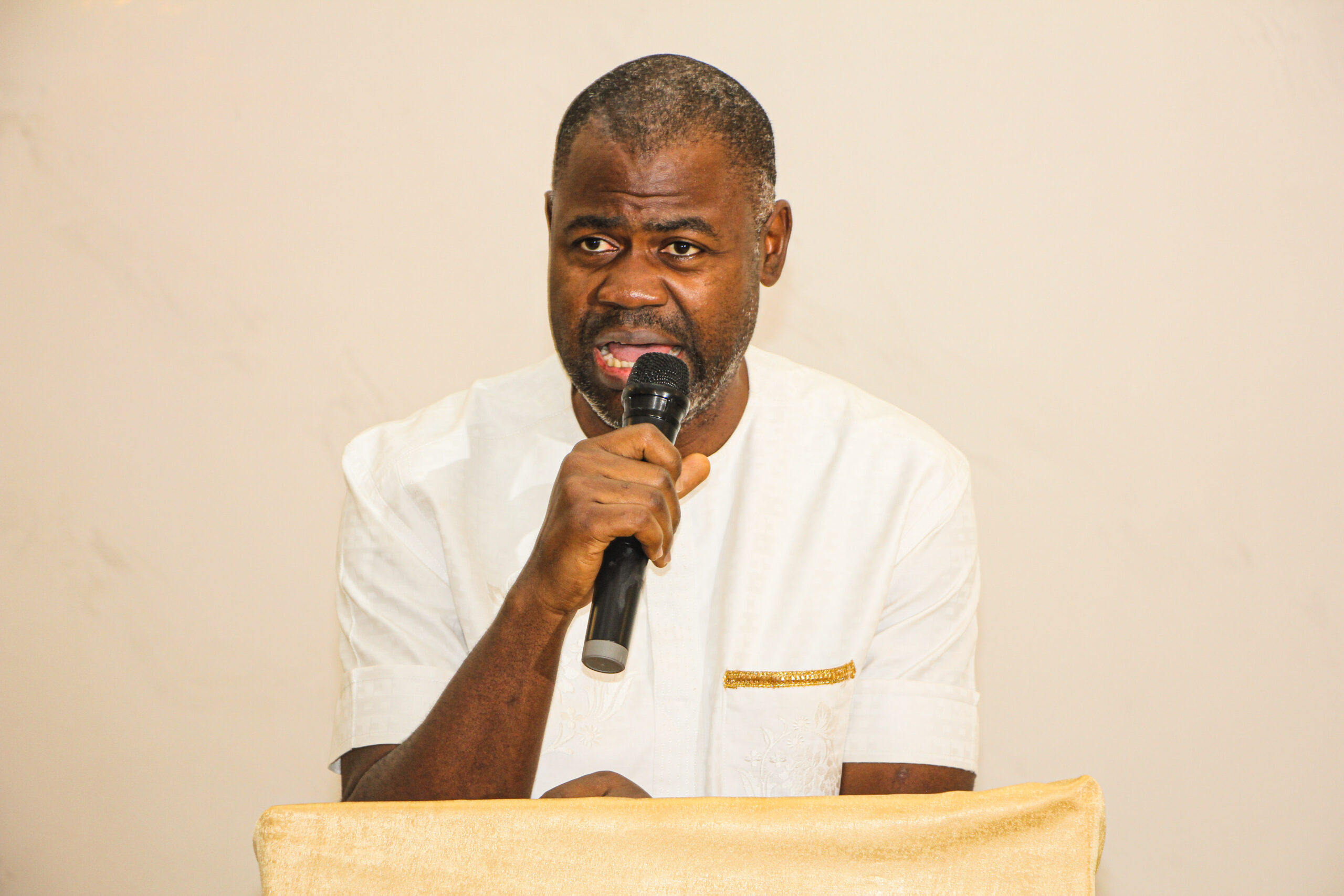
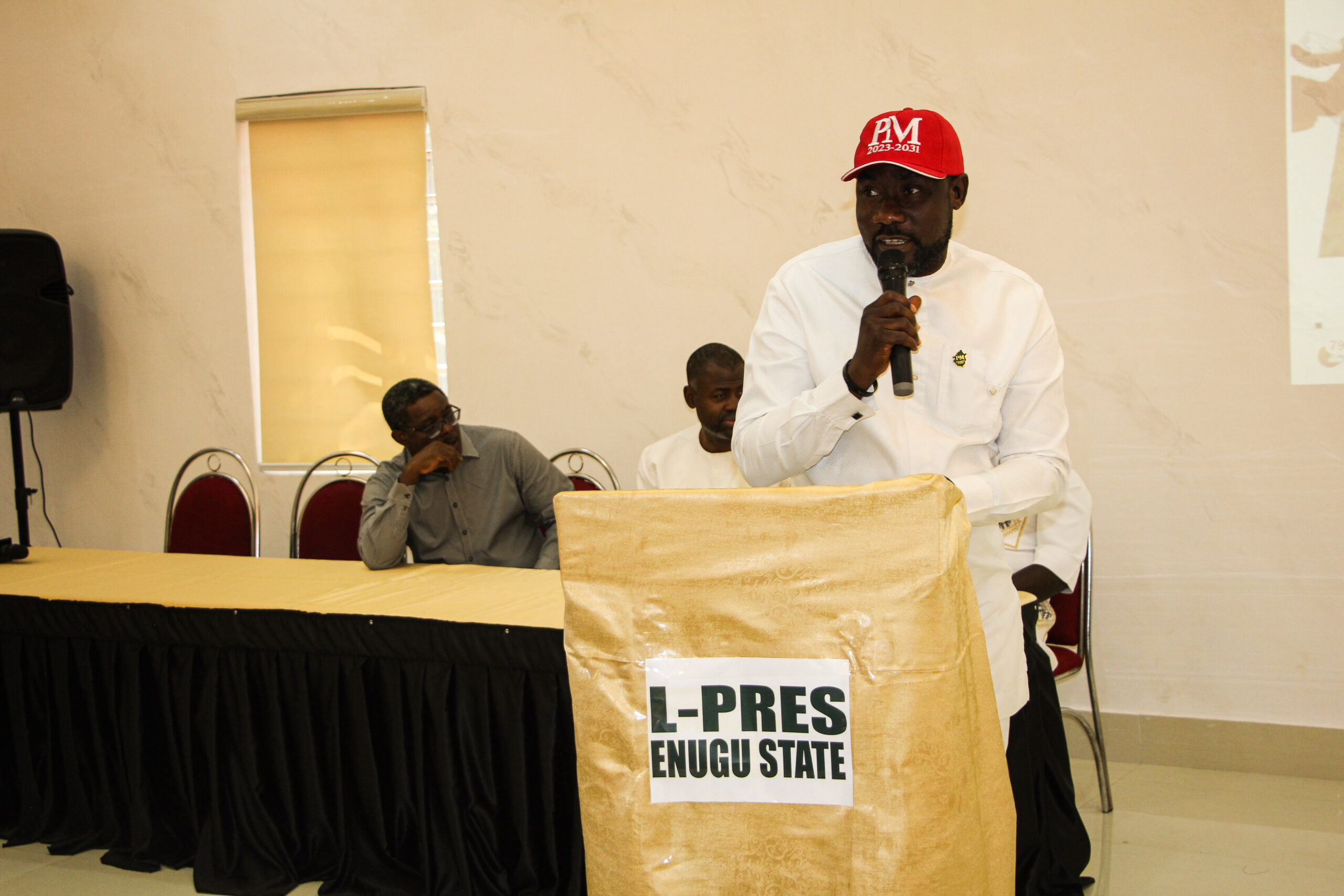
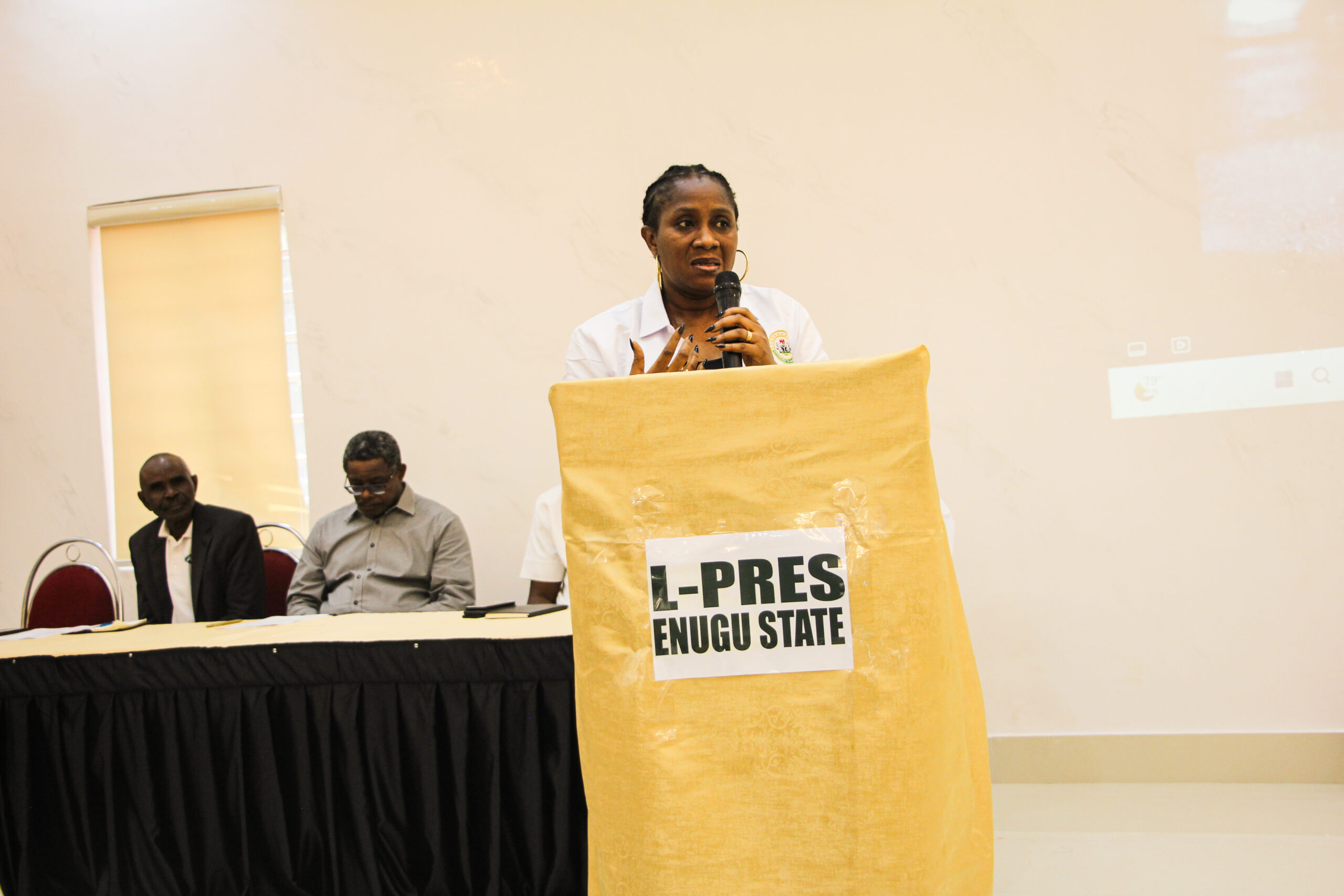
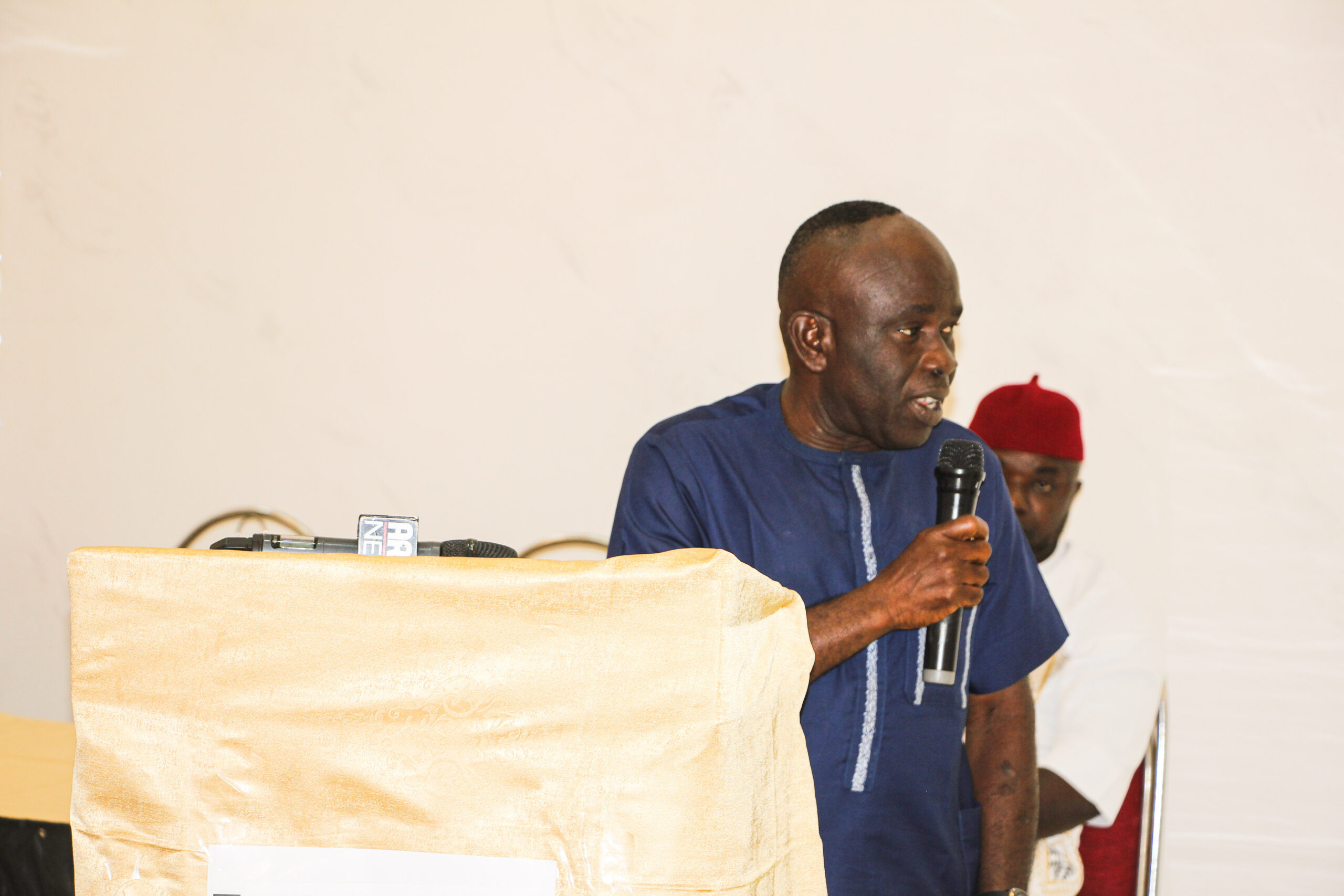
Other stakeholders who spoke at the event expressed appreciation for the initiative and commended the Enugu State Government for supporting the implementation of L-PRES.
They praised Governor Peter Mbah for giving attention to agriculture and livestock development, noting that the success of the projects could improve livelihoods, strengthen food security and create new economic opportunities for rural communities.
The event was highly interactive, with participants asking questions and seeking clarification on cooperative societies, grievance resolution, project implementation, contractor responsibilities and the expected benefits of the various interventions.
The questions demonstrated the participants’ interest in the projects and their desire to understand how the initiatives would affect their communities and livelihoods.
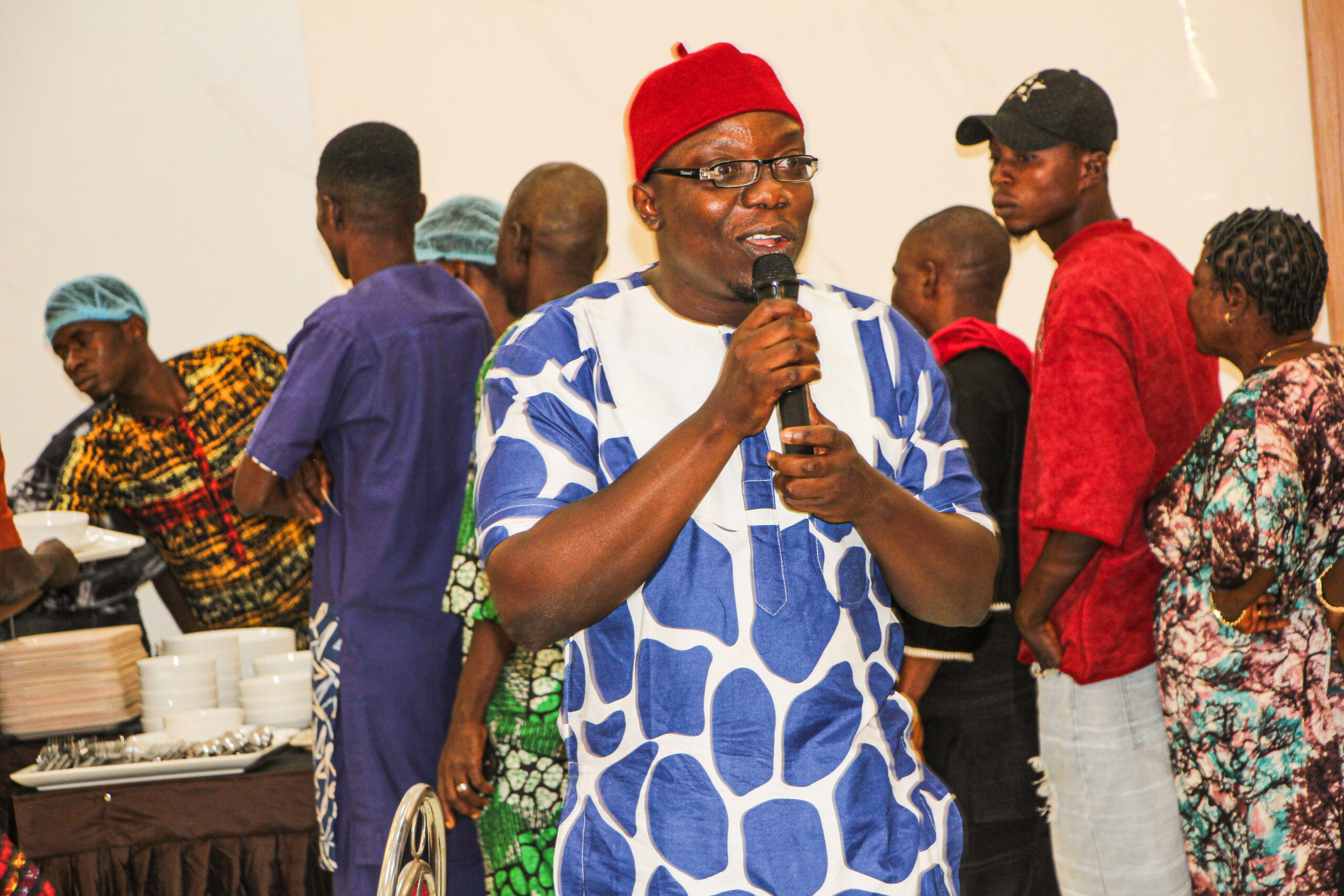
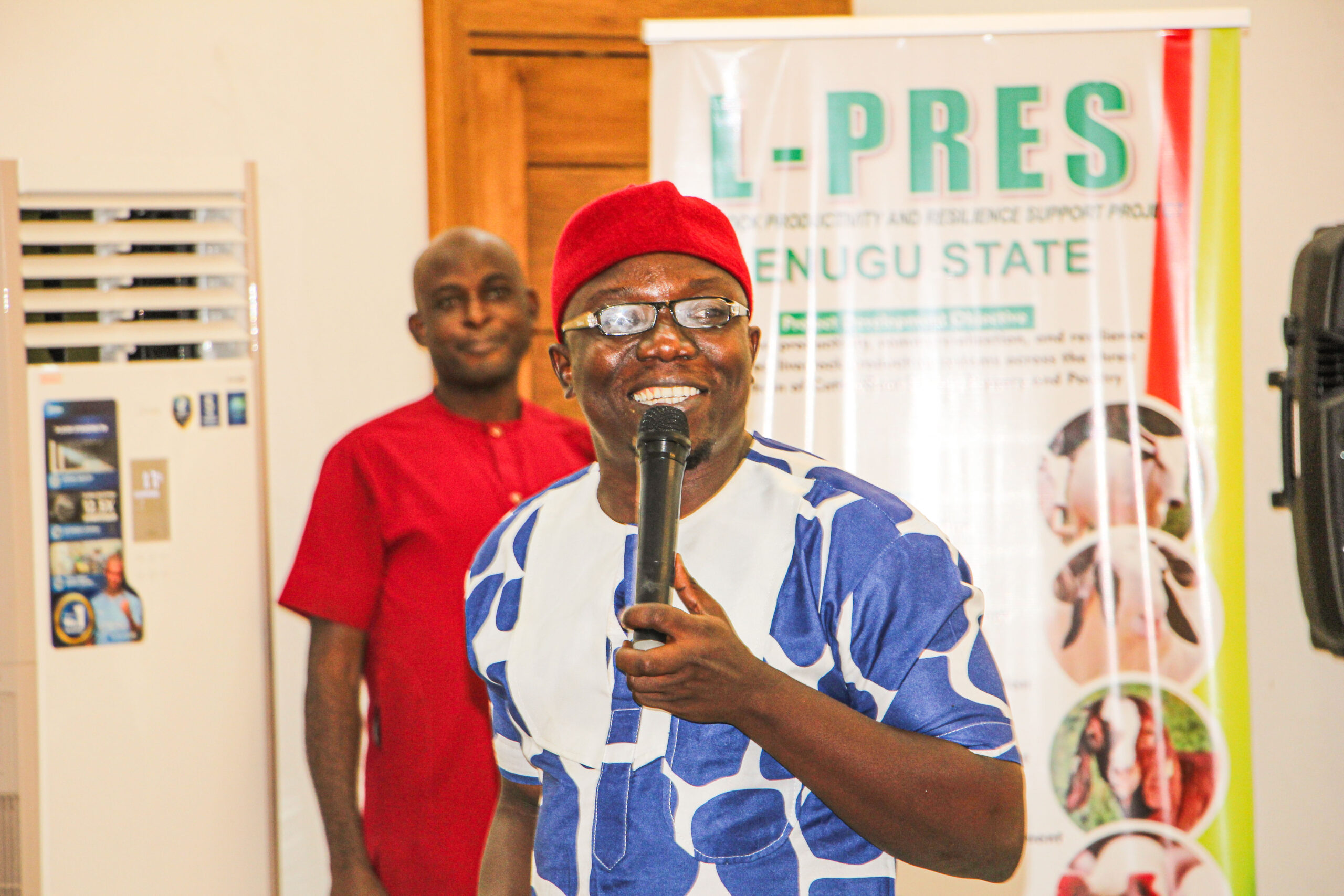
The engagement ended on a lively note with a comic relief session led by the Master of Ceremonies, Dr Sabastine, a lecturer in Mass Communication from Enugu State University of Science and Technology.
The humorous presentation provided a relaxed conclusion to the programme while reinforcing the message that dialogue, understanding and peaceful cooperation were essential to the success of the L-PRES interventions.