
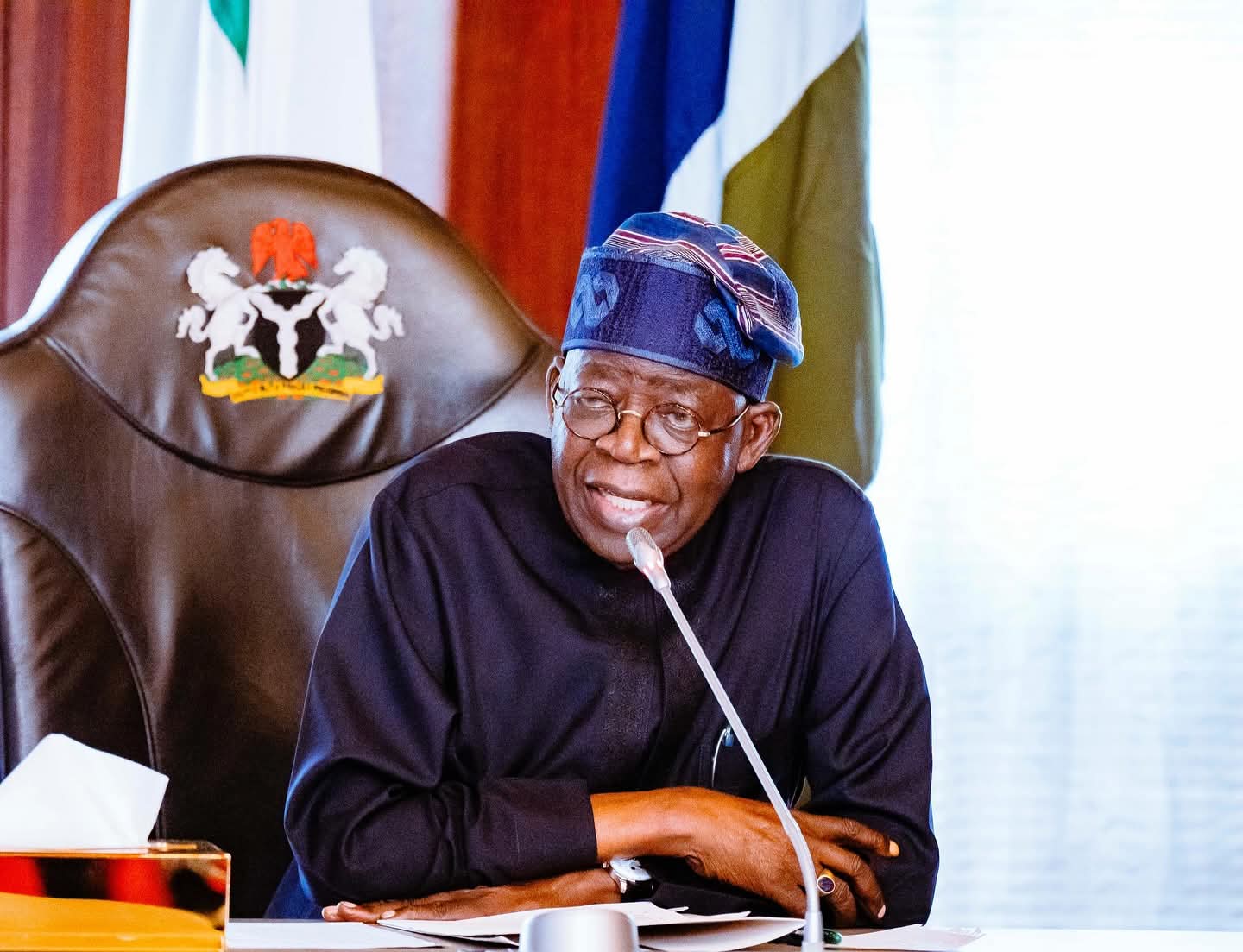
Abuja, Nigeria — The Federal Government today reaffirmed its ambitious vision to reposition Nigeria’s agricultural sector from a raw-commodity exporter to a global food supplier, while mobilizing climate finance to protect farmers and livestock producers from increasingly severe weather events.
President Bola Ahmed Tinubu announced the strategic shift, underscoring the administration’s commitment to food security, value addition, and economic diversification. “We will not be content to send our soils abroad as raw materials,” the President said. “Our priority is to grow, process and export finished food products that create jobs, increase incomes and secure Nigeria’s place in global food markets.”
Key elements of the government’s plan include:
Transitioning from raw agricultural exports to processed and value-added food products that command higher global prices and stimulate domestic agro-industries.
Strengthening supply chains and agricultural infrastructure—storage, processing facilities, roads and market linkages—to reduce post-harvest losses and improve competitiveness.
Encouraging private-sector investment and public–private partnerships across farming, processing and logistics to create jobs and expand export-ready production.
Harnessing Climate Finance to Protect Livestock and Farming Communities
Recognizing the mounting threat of extreme weather to crops and animals, the Ministry of Livestock Development is spearheading efforts to access international climate finance instruments designed to build resilience in the animal agriculture sector.
The Ministry’s programme will:
Develop bankable climate resilience projects that meet global funding standards for submission to multilateral climate funds and bilateral partners.
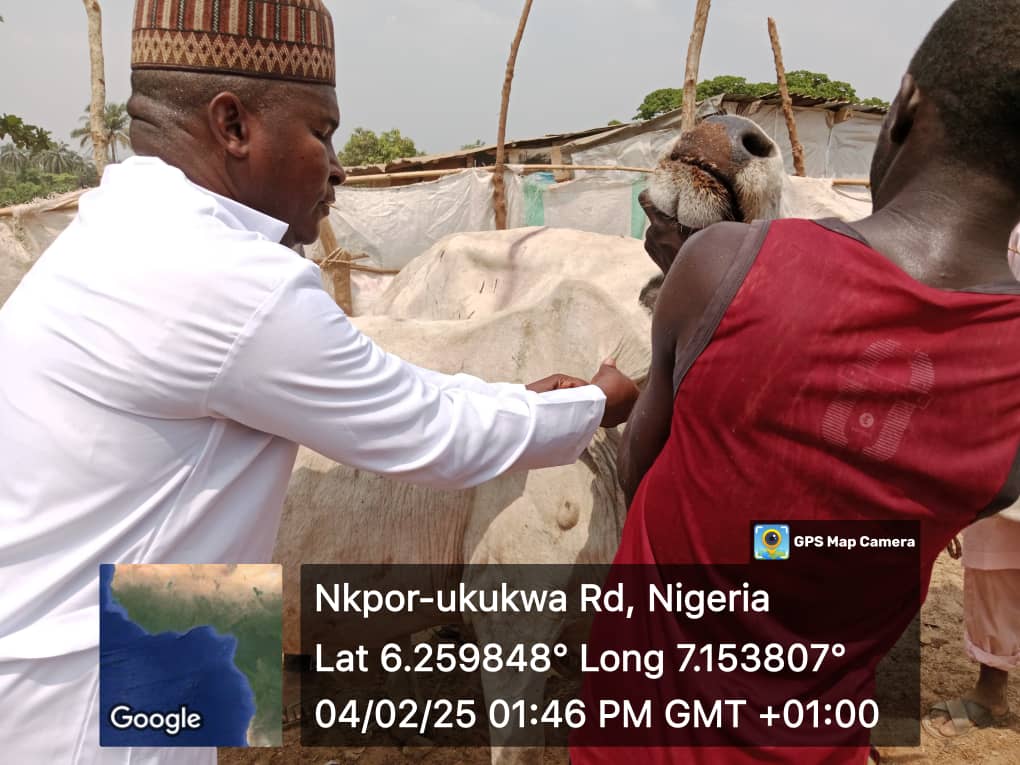
Invest in climate-smart livestock practices—improved breeds, feed systems, water management, early-warning systems and veterinary services—to reduce vulnerability to droughts, floods and heat stress.
Support regionally tailored interventions that protect pastoralist livelihoods and strengthen feed and grazing land management.
The Presidency called for coordinated action between the Ministries of Agriculture, Livestock Development, Trade and Investment, and Finance to align policy, funding and implementation. The multi-ministerial approach will ensure that value-chain development and climate adaptation measures are mutually reinforcing.
A spokesperson for the Ministry of Livestock Development stated, “Accessing climate finance will allow us to scale proven resilience measures and protect the millions of Nigerians who depend on livestock for food and income. We are assembling technically robust proposals that can attract international funding.”
The administration emphasized inclusive engagement with farmers, herders, cooperatives, processors and agribusinesses. Support measures will include capacity building, access to credit and markets, and incentives for local processing enterprises.
The Federal Government invites development partners, investors, agribusiness innovators and civil society to join its drive to build a resilient, value-adding agriculture sector. Interested parties should contact the Ministry of Agriculture and the Ministry of Livestock Development for collaboration opportunities and project partnerships.