
Beef—the meat from cattle—is one of the most nutrient-dense foods available, supplying high‑quality protein, iron, zinc, and B vitamins that are hard to match in quantity and bioavailability from other sources. However, health effects depend strongly on the cut, how much you eat, how often, and how it is cooked and handled.
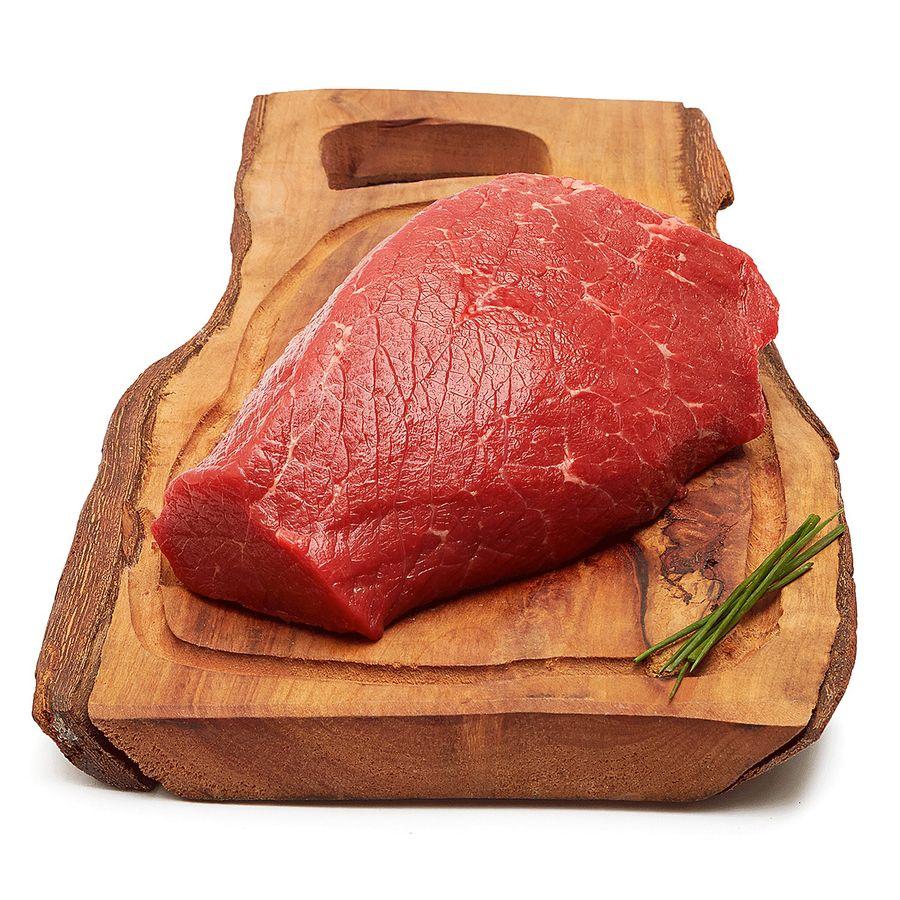


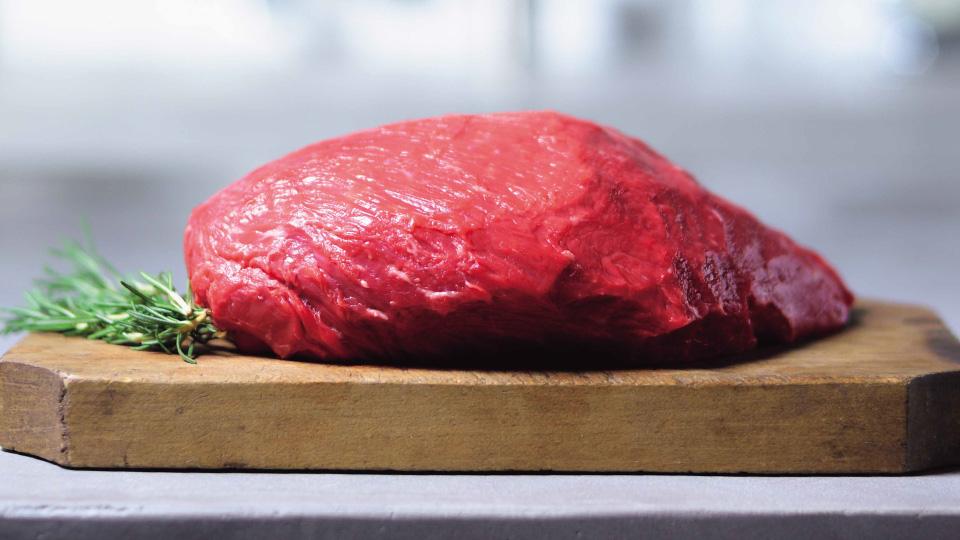
What “cow meat” actually is
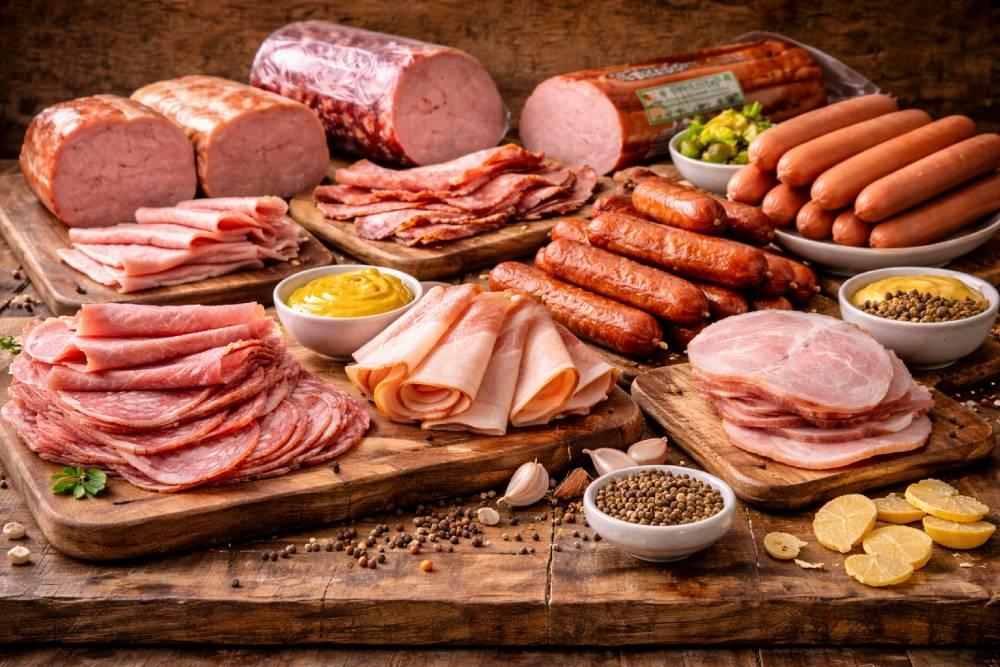
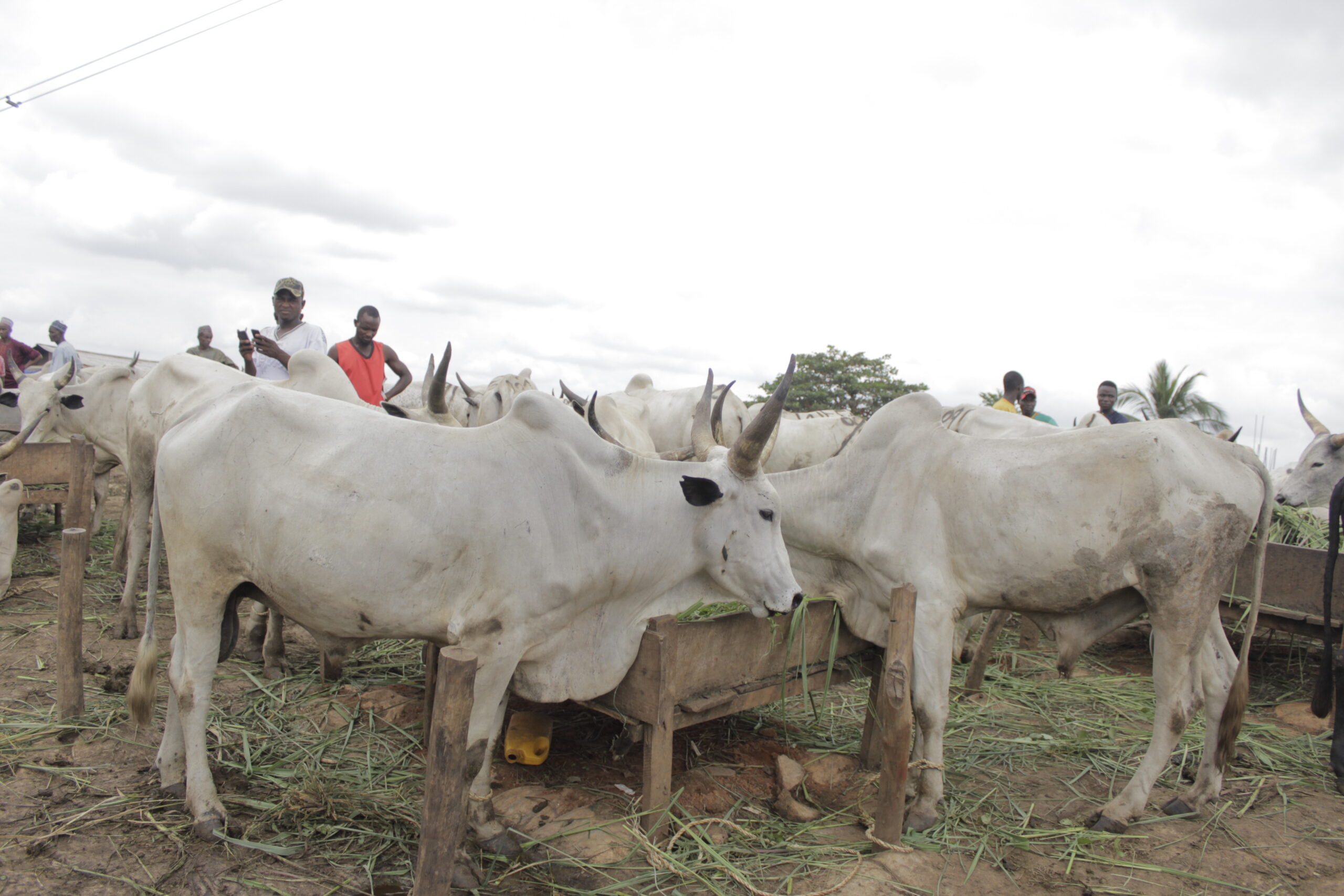
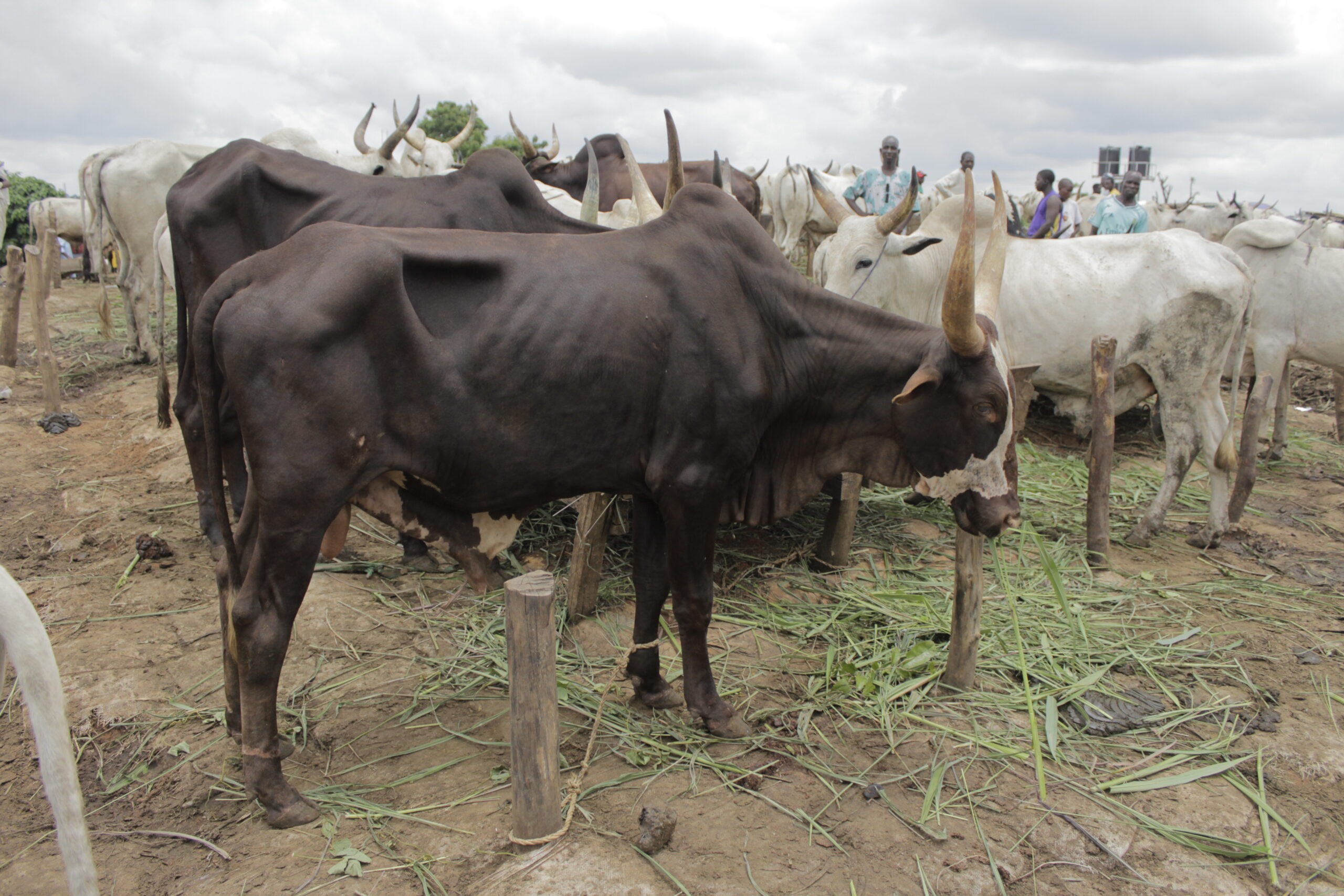
Beef comes from domestic cattle (Bos taurus/Bos indicus) and is classified as red meat because of its higher myoglobin content compared with poultry or fish. In Nigeria and many other countries, beef is consumed fresh (steaks, stew meat, minced/ground beef) and in processed forms (sausages, cured meats, smoked/dried products).
Nutritional benefits of beef
A typical cooked serving of lean beef provides:
- High‑quality protein with all essential amino acids for muscle building, repair, and immune function.
- Heme iron, which is more readily absorbed than plant (non‑heme) iron and helps prevent iron‑deficiency anemia.
- Vitamin B12, crucial for nerve function, red blood cell formation, and DNA synthesis.
- Zinc and selenium, supporting immunity, wound healing, and antioxidant defenses.
- Other B vitamins (niacin, B6), phosphorus, and creatine, which can support energy metabolism and physical performance.
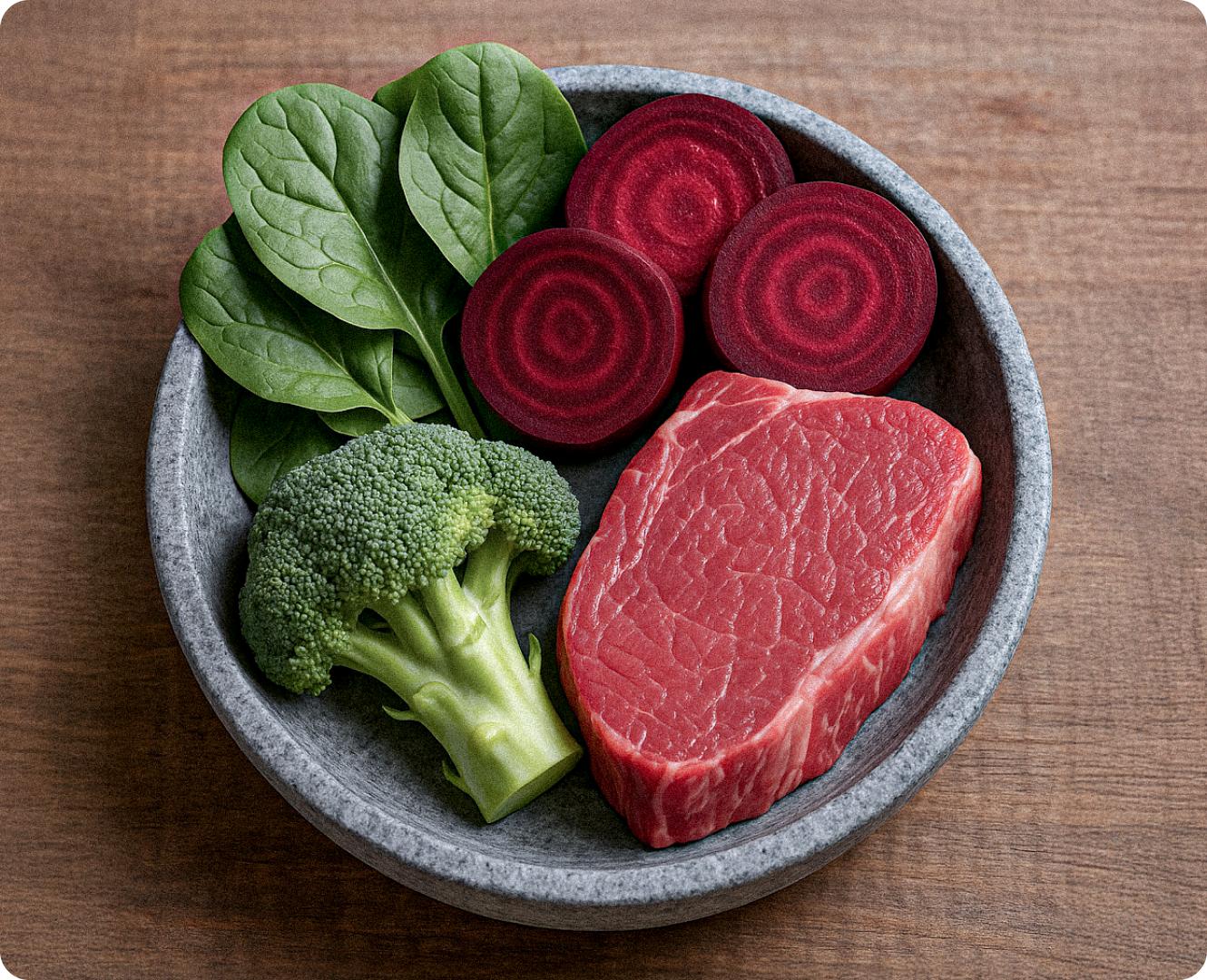
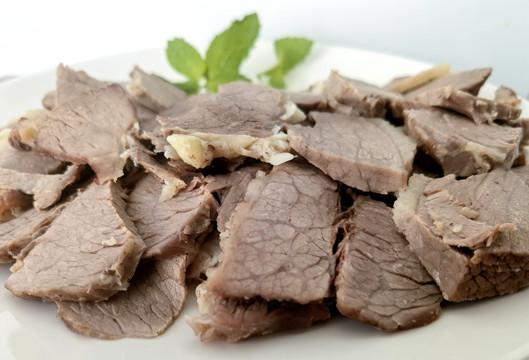
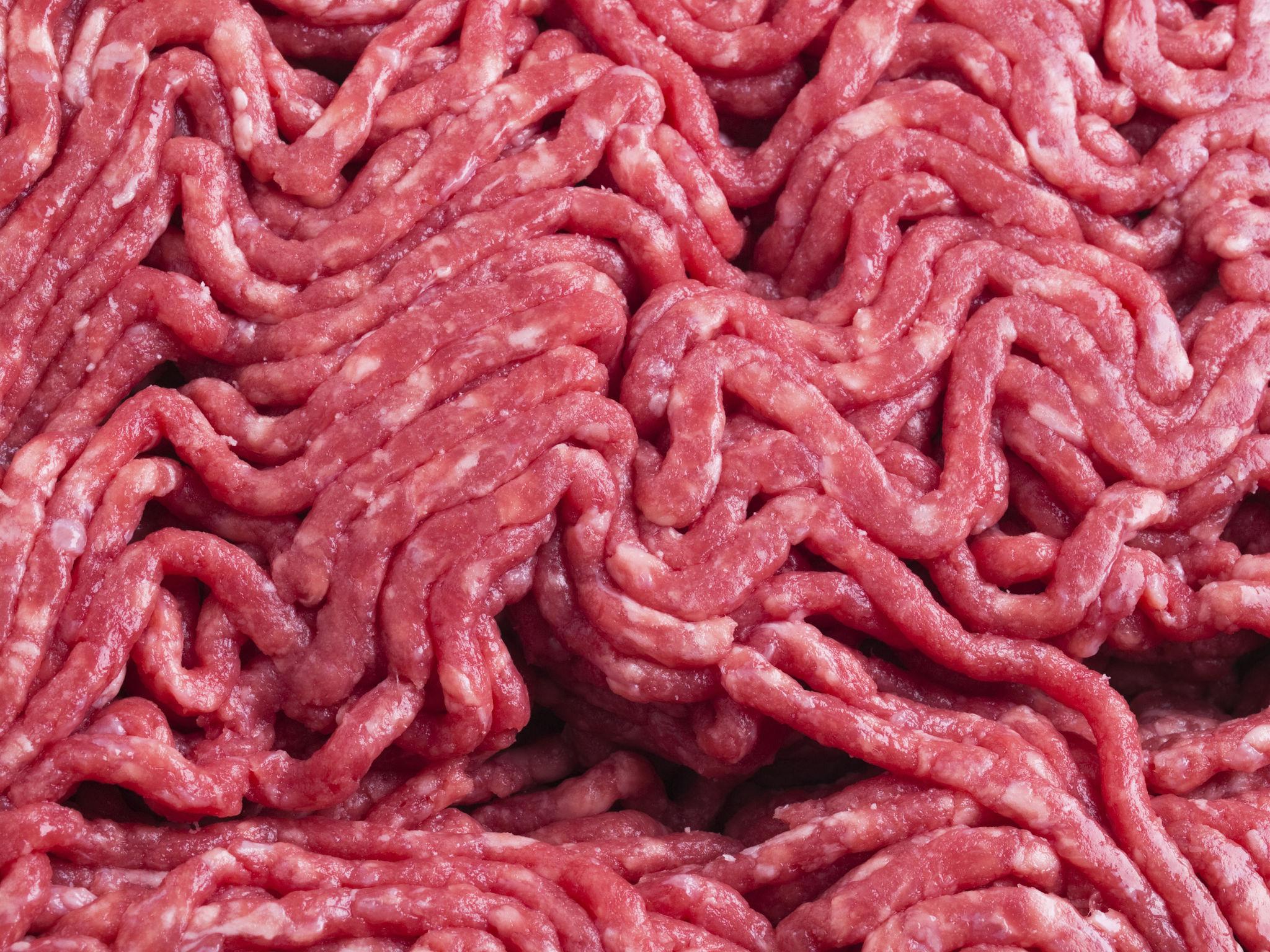
Recent work also suggests that feeding strategies for cattle can increase certain beneficial compounds in beef linked to antioxidant activity and cardio metabolic health, though this is an emerging area.
Main health hazards and risks
The risks are not from “beef” as a single entity but from patterns of intake, product type, and preparation:
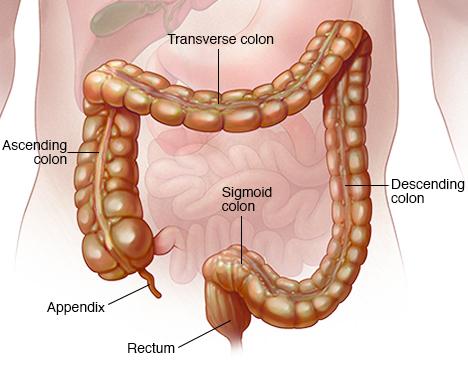
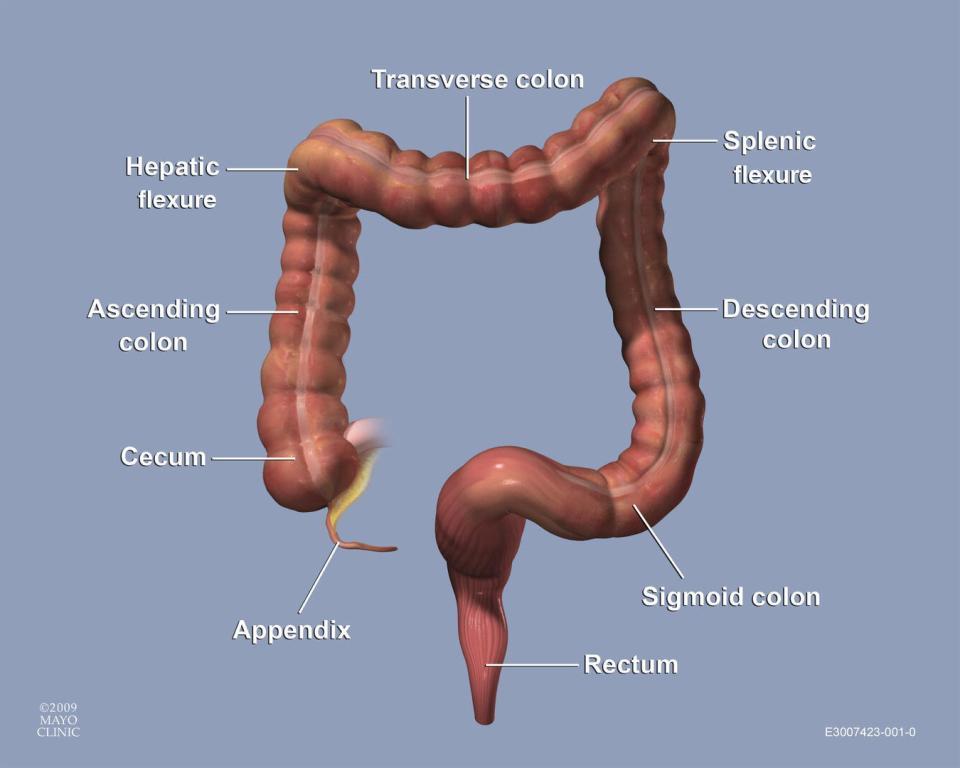
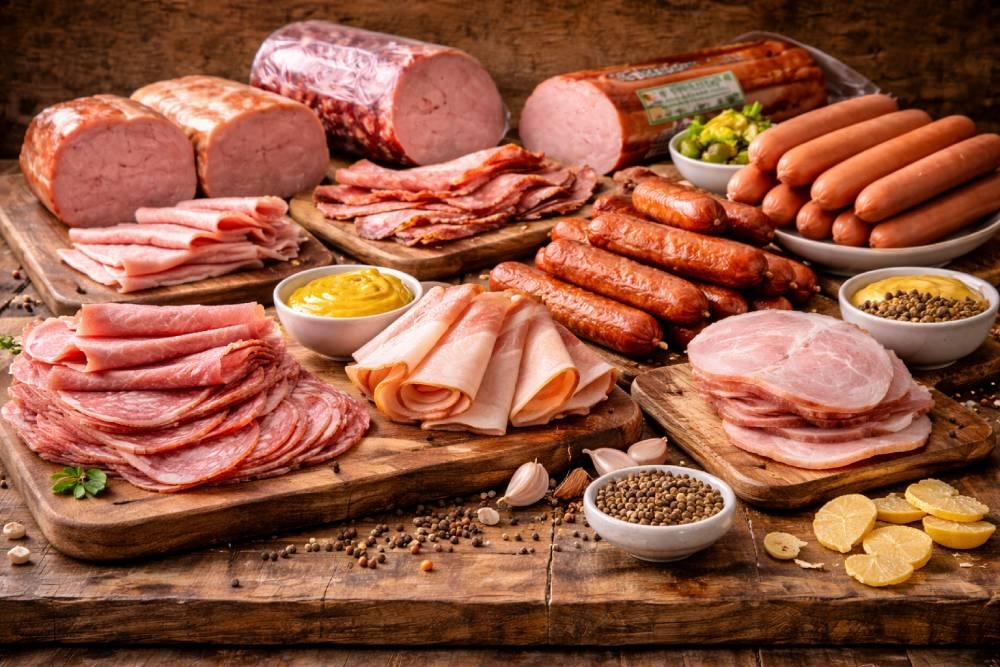
- Colorectal cancer: Regular high intake of red meat—and especially processed meat—is linked to higher colorectal cancer risk; processed meats are classified as carcinogenic by WHO/IARC.
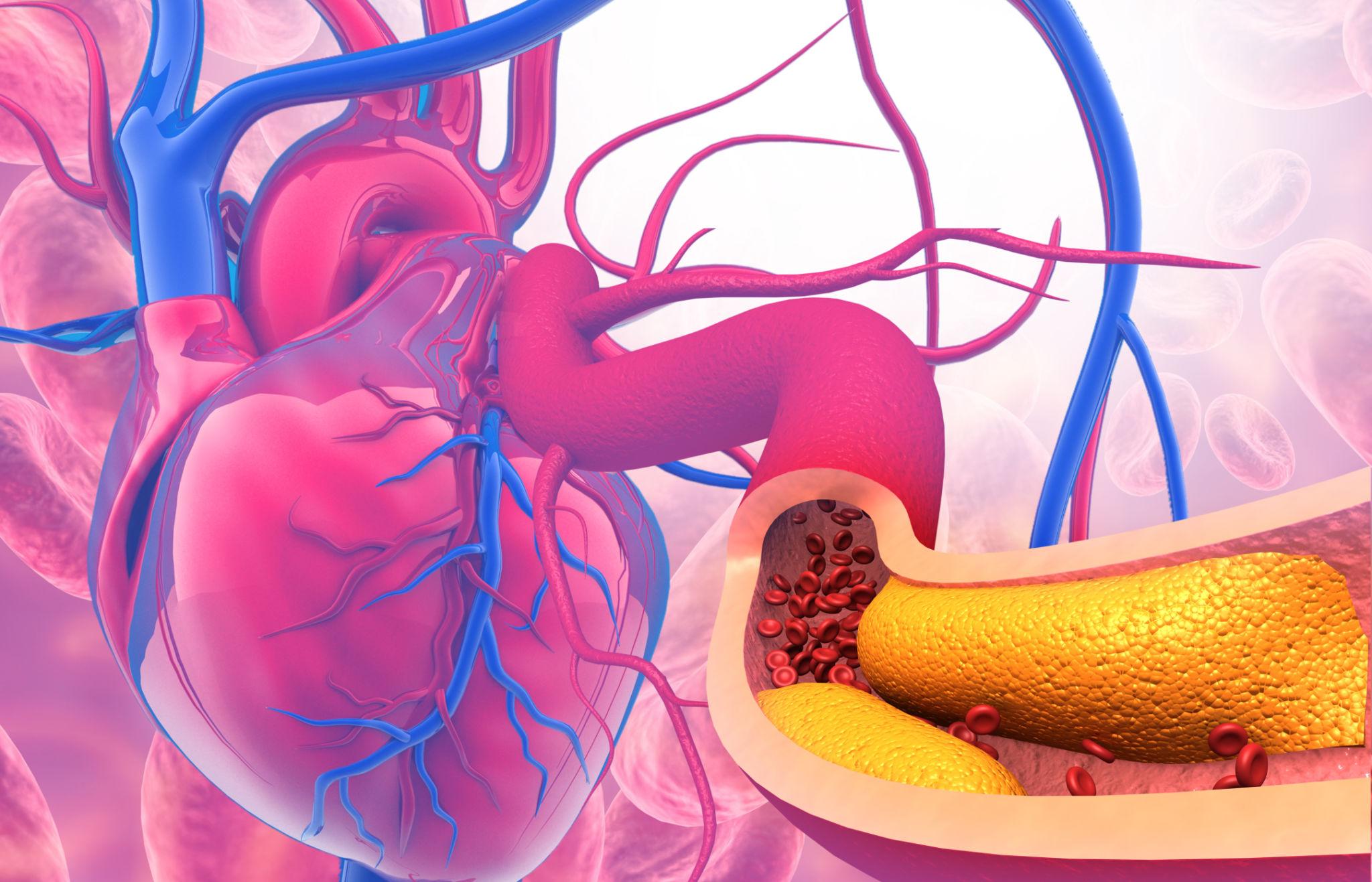
- Cardiovascular disease: High consumption, particularly of fatty and processed beef, is associated with higher LDL cholesterol, arterial plaque buildup, and increased heart disease and stroke risk.
- Type 2 diabetes: Higher red‑meat intake correlates with greater diabetes risk, especially alongside sedentary lifestyle and low‑fiber diets.
- Other cancers: Evidence suggests possible links to pancreatic, prostate, breast, and stomach cancers, though data are less consistent than for colorectal cancer.
- Gout and uric acid: Beef is relatively high in purines; frequent large portions can raise uric acid and trigger gout flares in susceptible people.
- Foodborne illness: Raw or undercooked beef can carry pathogens such as E. coli (including O157:H7), Salmonella, Campylobacter, Listeria, and parasites like the beef tapeworm. Outbreaks are more likely with poor hygiene, cross‑contamination, or inadequate cooking.
- Antimicrobial resistance: Studies of raw beef in some settings have found multidrug‑resistant bacteria, compounding the risk if infection occurs.
How to get the benefits while reducing risk
Practical steps align with guidance from major health bodies:
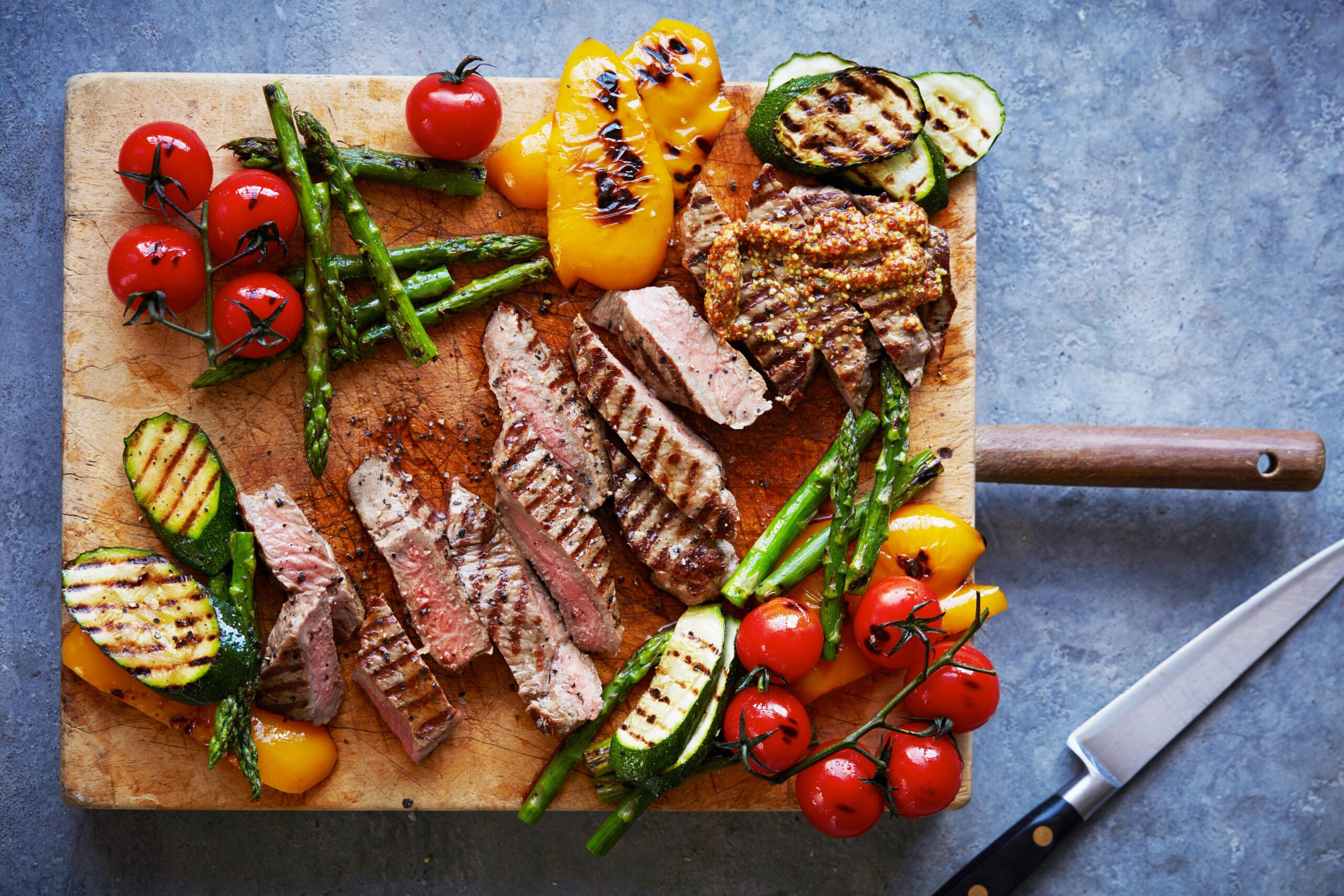
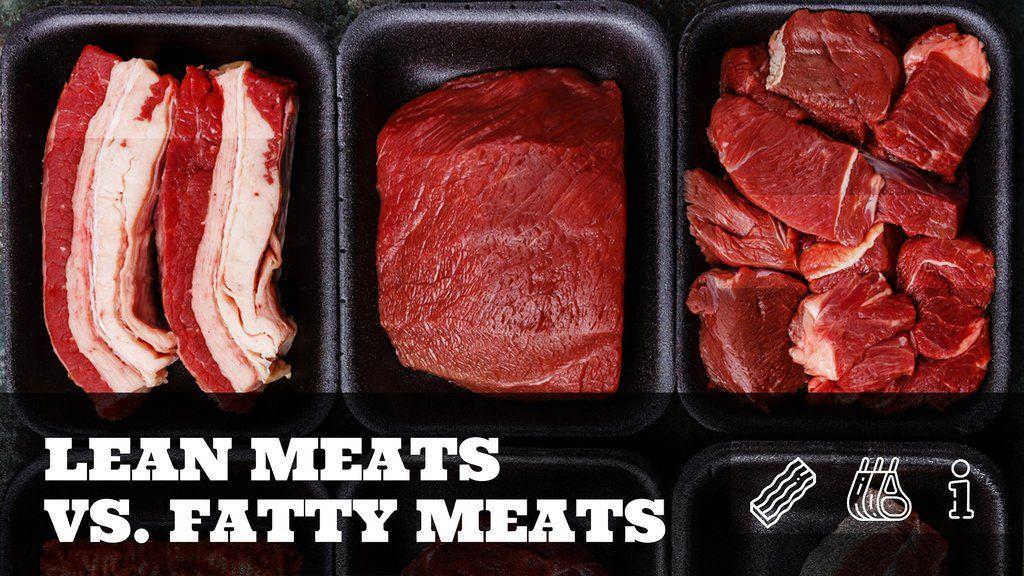
- Portion and frequency: Aim for moderation—around three servings per week of unprocessed, lean cuts (roughly 350–500 g cooked per week) fits most healthy diets.
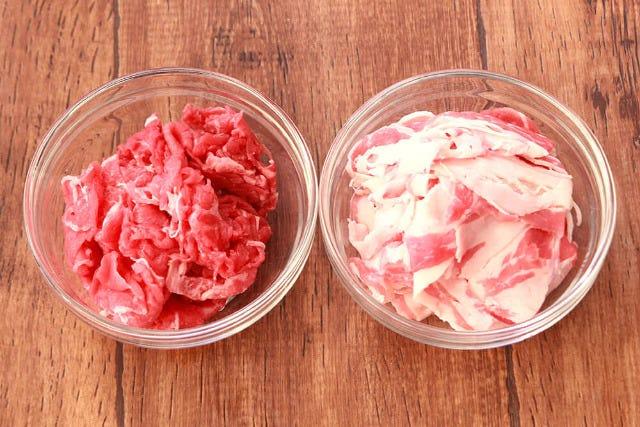
- Choose lean cuts and trim visible fat to lower saturated fat intake.
- Limit processed beef (sausages, cured/smoked products) because risks rise with processing.
- Cook safely: Heat beef to safe internal temperatures; avoid charring or very high‑heat grilling that forms harmful compounds.
- Handle hygienically: Keep raw meat separate from ready‑to‑eat foods, refrigerate promptly, and practice good kitchen hygiene to prevent contamination.
- Balance your plate: Pair beef with vegetables, whole grains, and legumes; do not let daily beef crowd out protective foods like fish, beans, fruits, and vegetables.
If you have gout, high cholesterol, kidney disease, or a strong family history of colorectal cancer, discuss your red‑meat intake with a clinician or dietitian to tailor advice.
Enugu State’s vision for healthy meat production
Recognizing that public health begins with food safety, Governor Dr. Peter Ndubuisi Mbah has placed significant emphasis on transforming the livestock sector into a modern, productive, and export-driven industry. His administration’s approach goes beyond increasing meat production; it focuses on producing healthy livestock, safe meat, economic prosperity, and global competitiveness.


Enugu State Livestock Development Centre, Ubahu
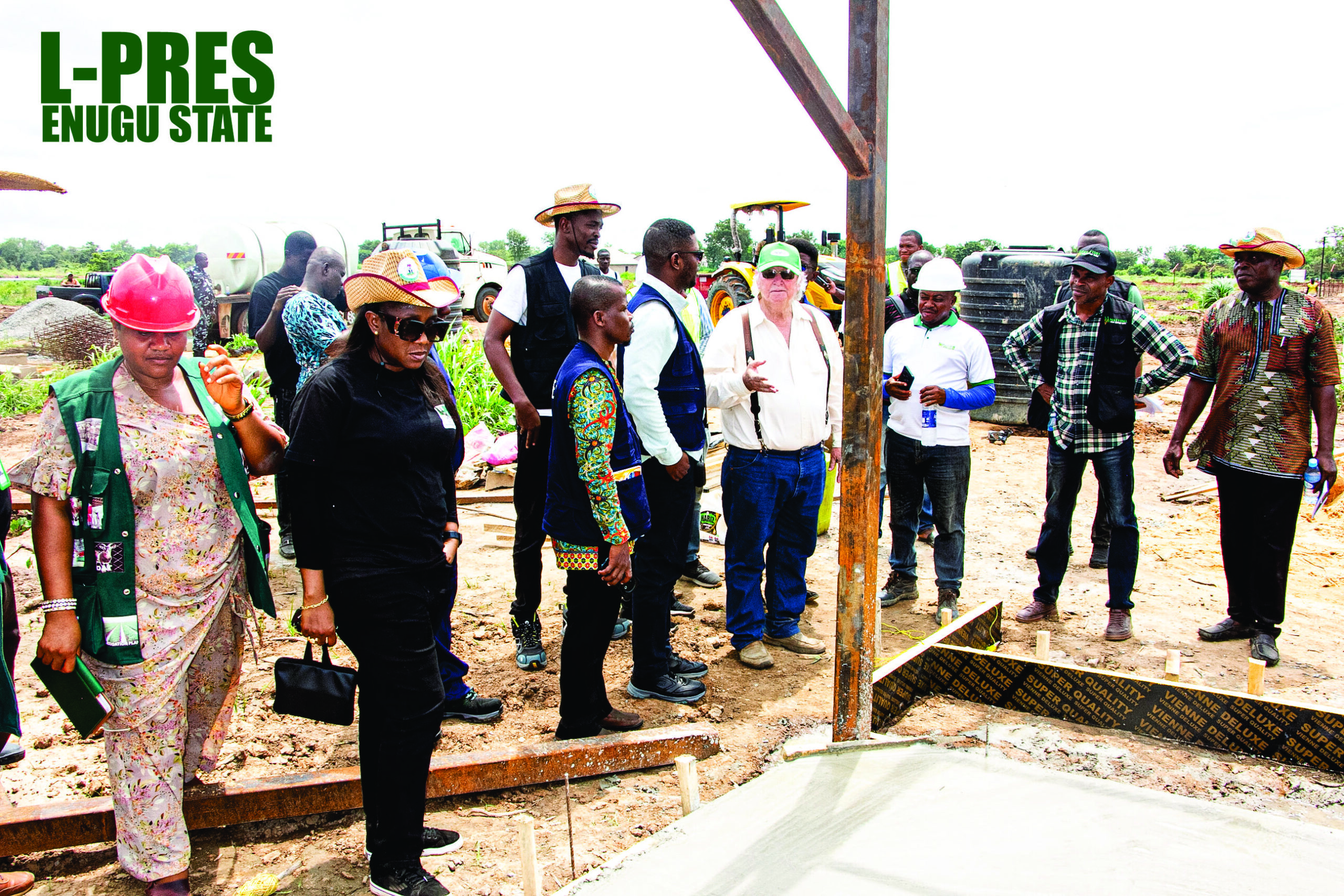
The ongoing Enugu State Livestock Development Centre, Ubahu represents a landmark investment in agricultural and livestock transformation. Designed as a state-of-the-art livestock hub, the centre is expected to:
-
Promote scientific cattle breeding and modern animal husbandry.
-
Improve livestock nutrition and productivity.
-
Attract local and international investors into the livestock value chain.
-
Create employment opportunities across production, processing, and marketing.
-
Position Enugu State as a leading livestock and meat-export destination in Nigeria.
The project demonstrates a shift from traditional livestock practices toward a sustainable commercial livestock economy capable of meeting both domestic and export standards.

Enugu Model Veterinary Hospital: Protecting animal and public health
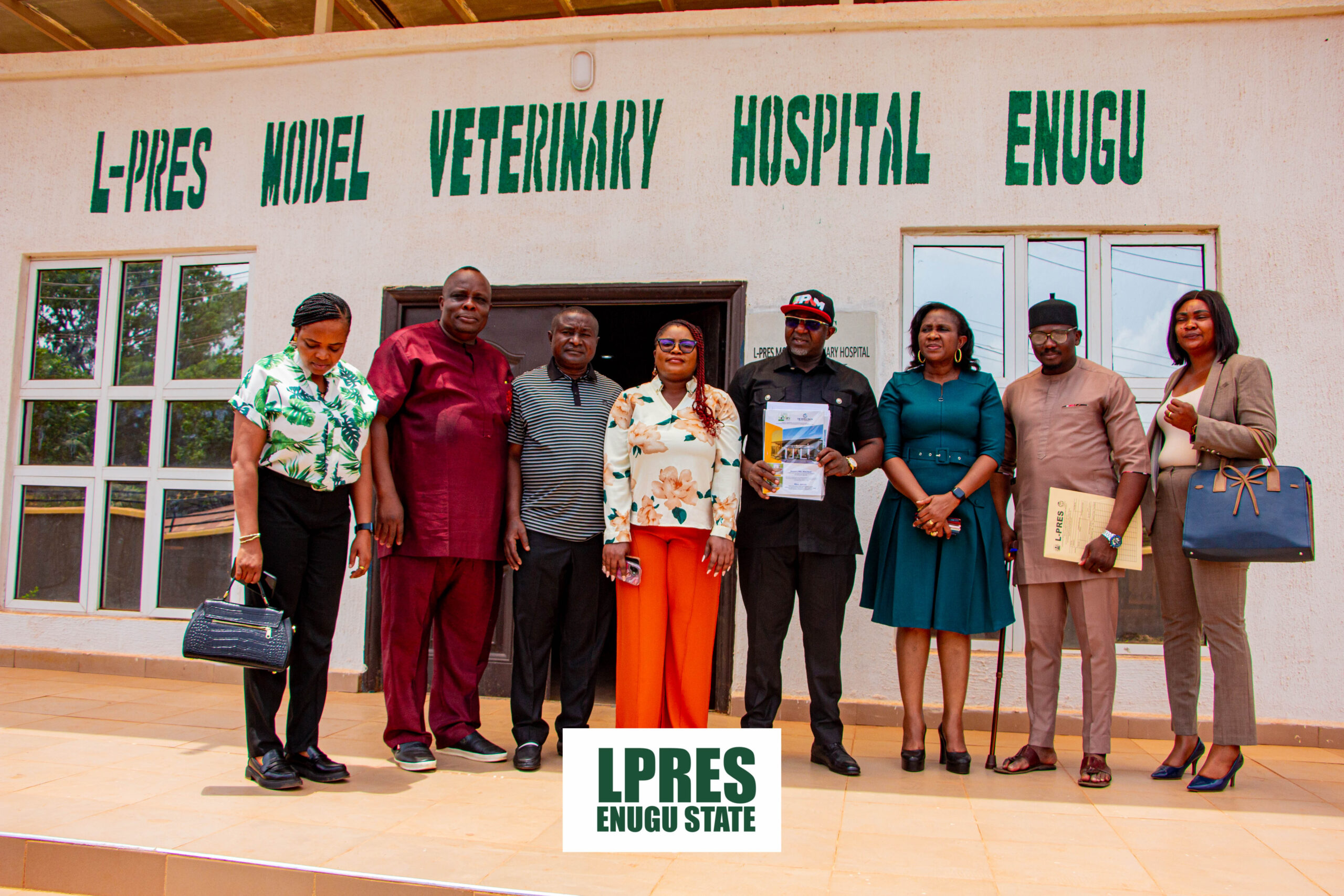
Complementing the livestock development centre is the Enugu Model Veterinary Hospital, which has commenced operations to provide comprehensive veterinary services for livestock owners throughout the state.
The hospital enables farmers to:
-
Diagnose and treat animal diseases promptly.
-
Conduct routine health examinations and vaccination programmes.
-
Improve animal welfare and reduce disease outbreaks.
-
Receive professional veterinary guidance on livestock management.
-
Ensure animals meet health standards required for safe meat production and export.
A healthy animal population translates directly into safer meat for consumers and greater confidence in Enugu’s livestock products.

Building a healthier and wealthier Enugu
The future of livestock is no longer measured only by the number of cattle raised, but by the quality, safety, and economic value of the products delivered to consumers. Through strategic investments in modern livestock infrastructure and veterinary healthcare, Enugu State is laying the foundation for a resilient livestock industry that protects public health, empowers farmers, attracts investors, and expands opportunities for meat export.
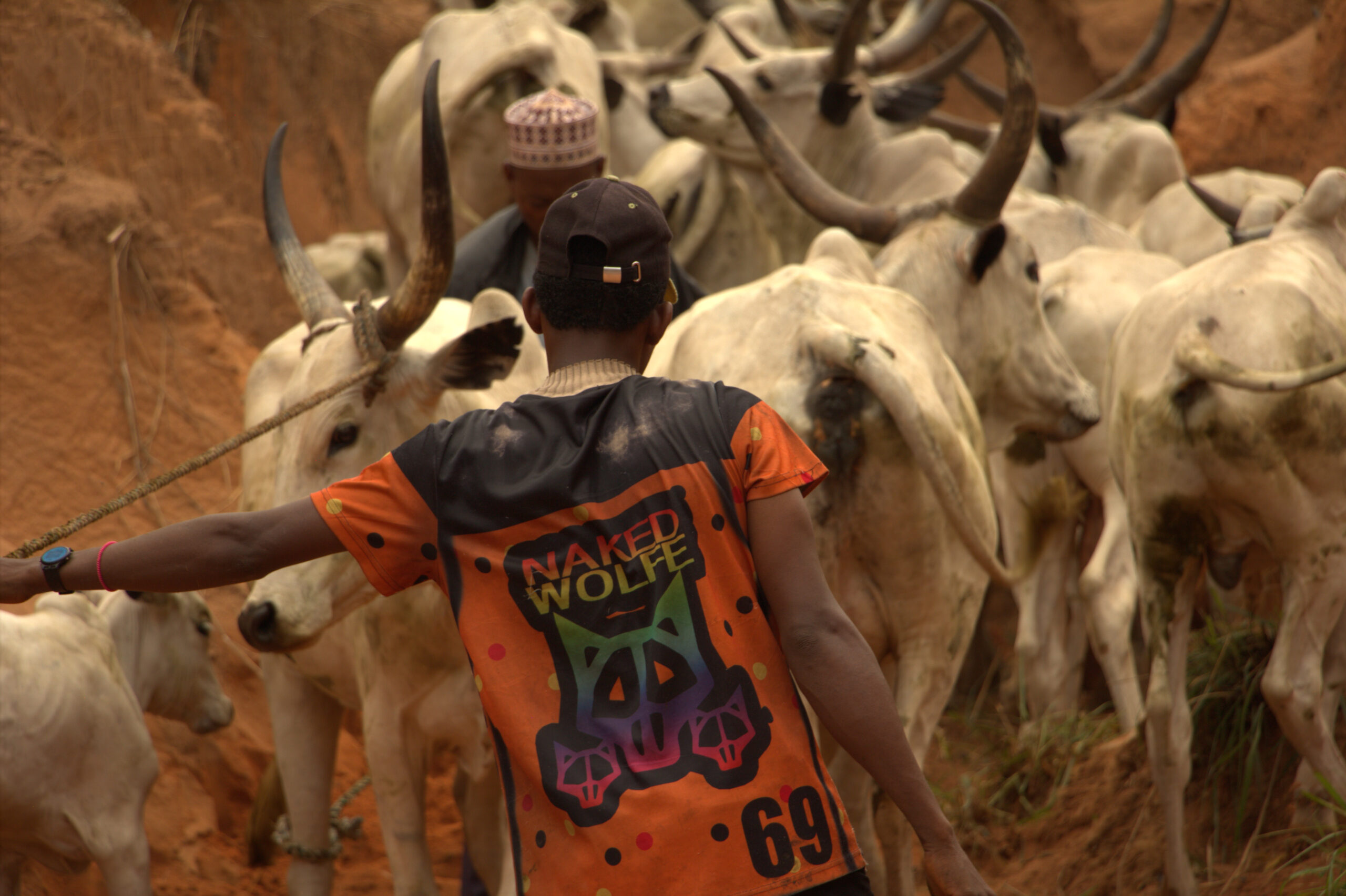
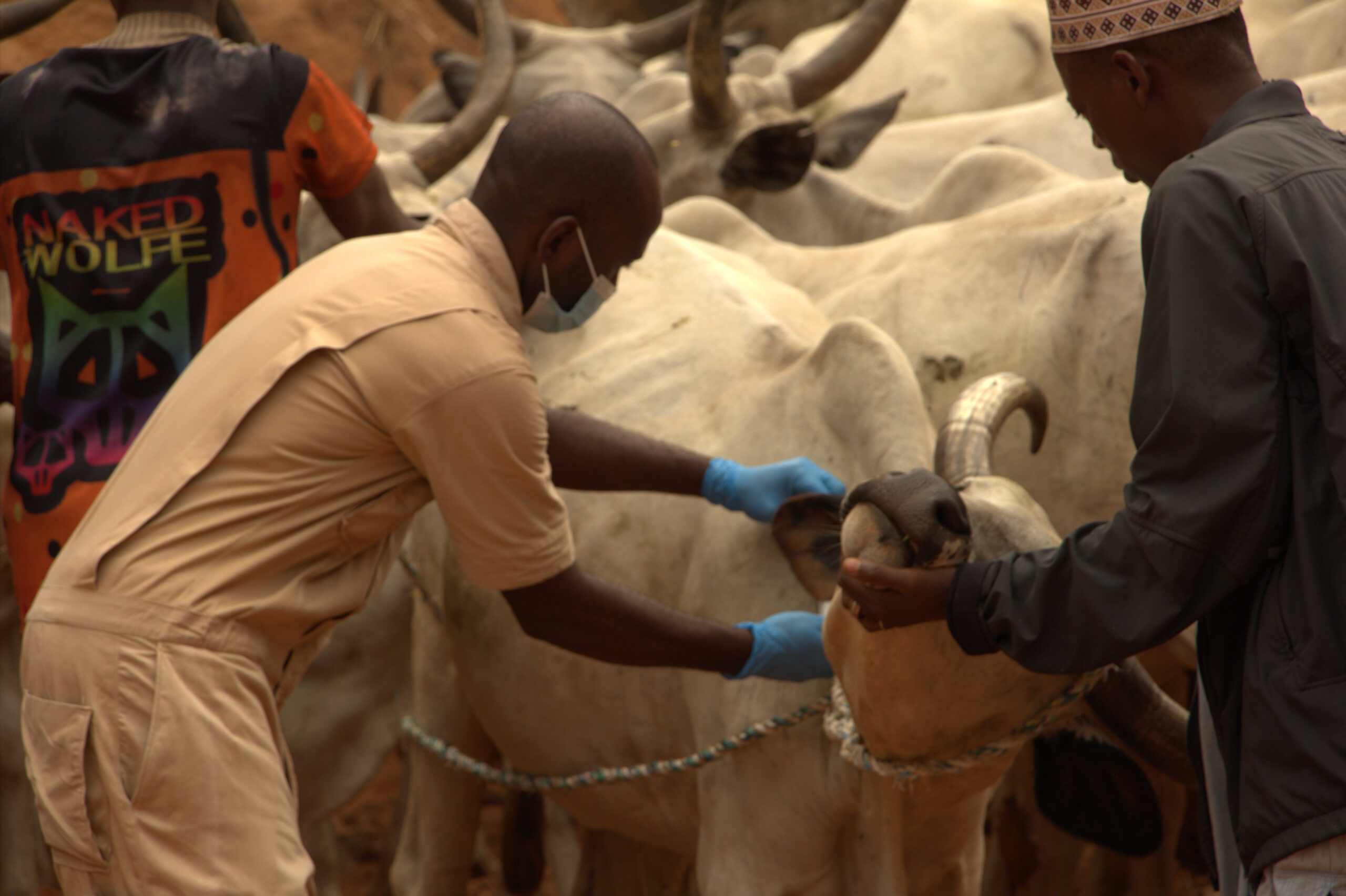
Healthy livestock produce healthy meat; healthy meat sustains healthy people; and a modern livestock economy creates lasting prosperity for Enugu State.
Jude Femi Efe
Communication/ICT Officer